
Last updated November 21, 2026
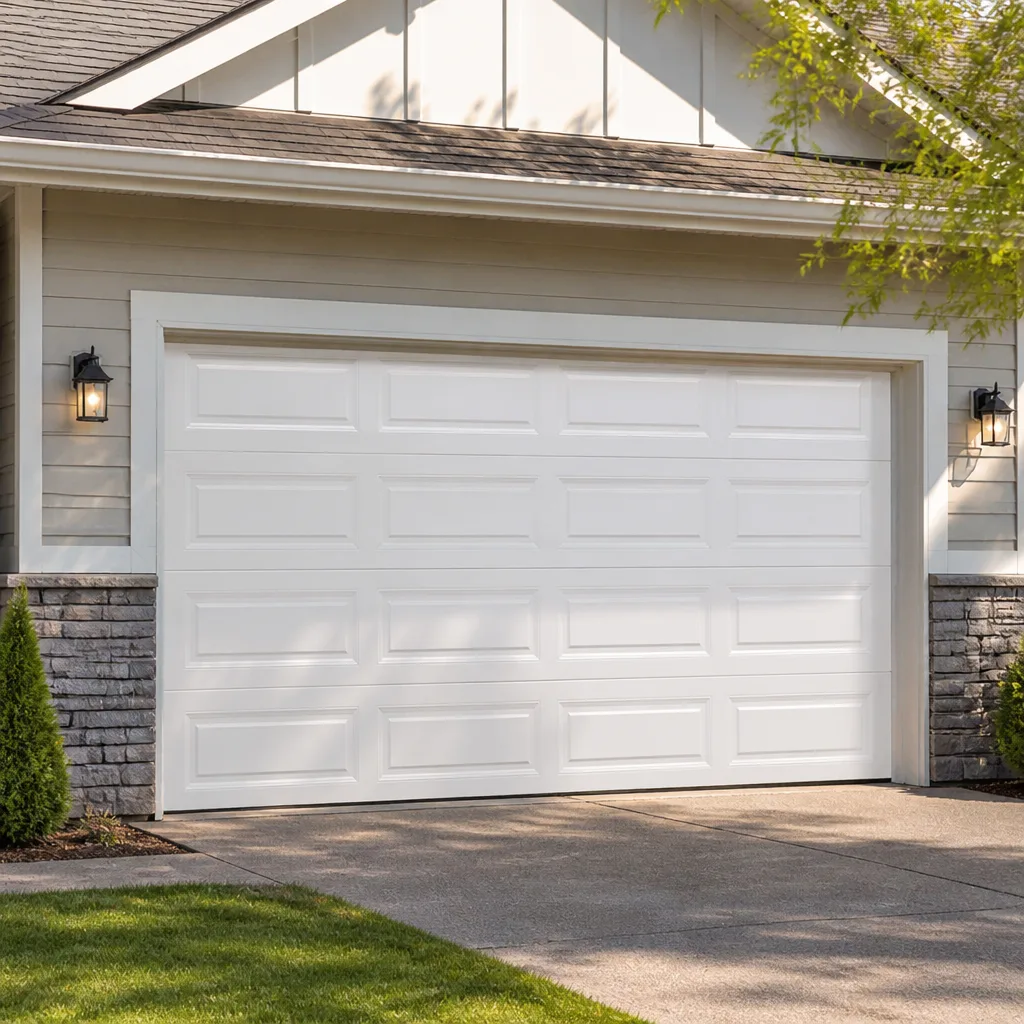 Raised-panel steel
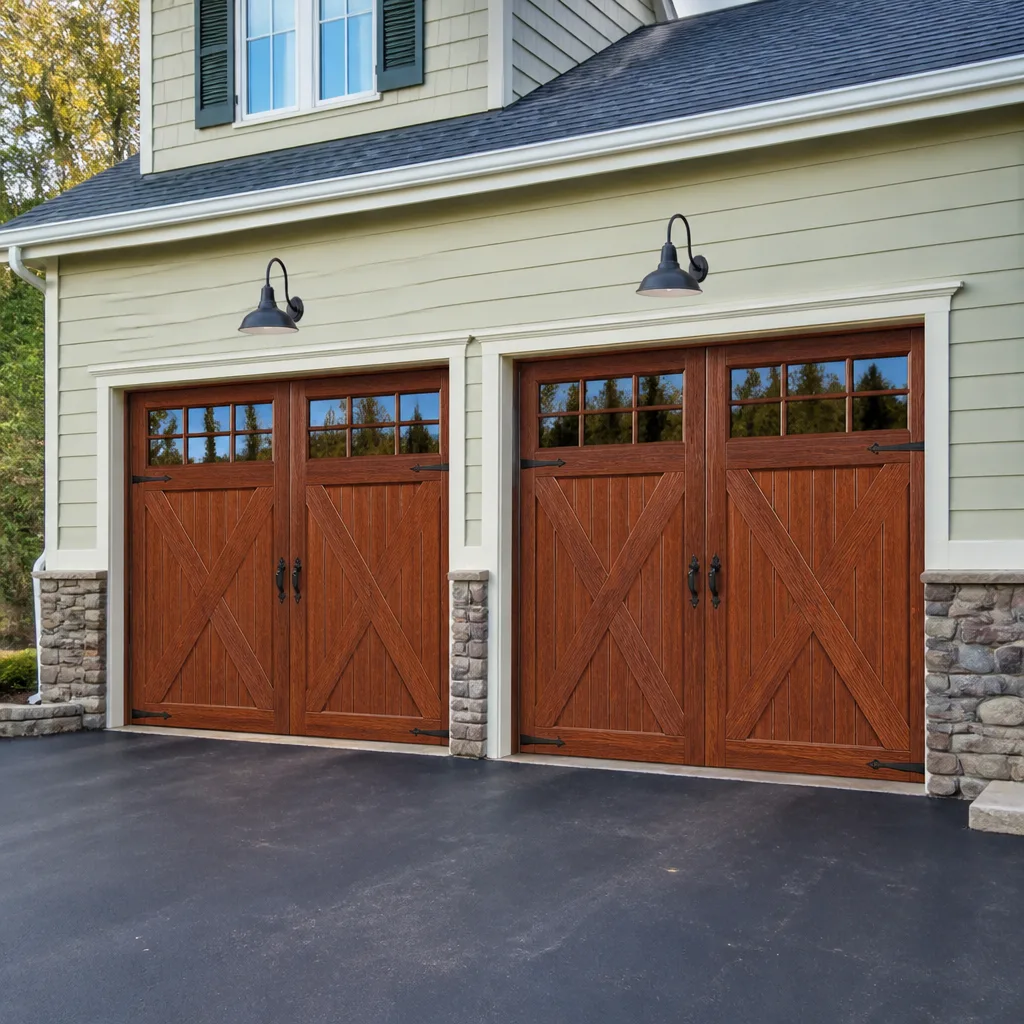 Carriage house
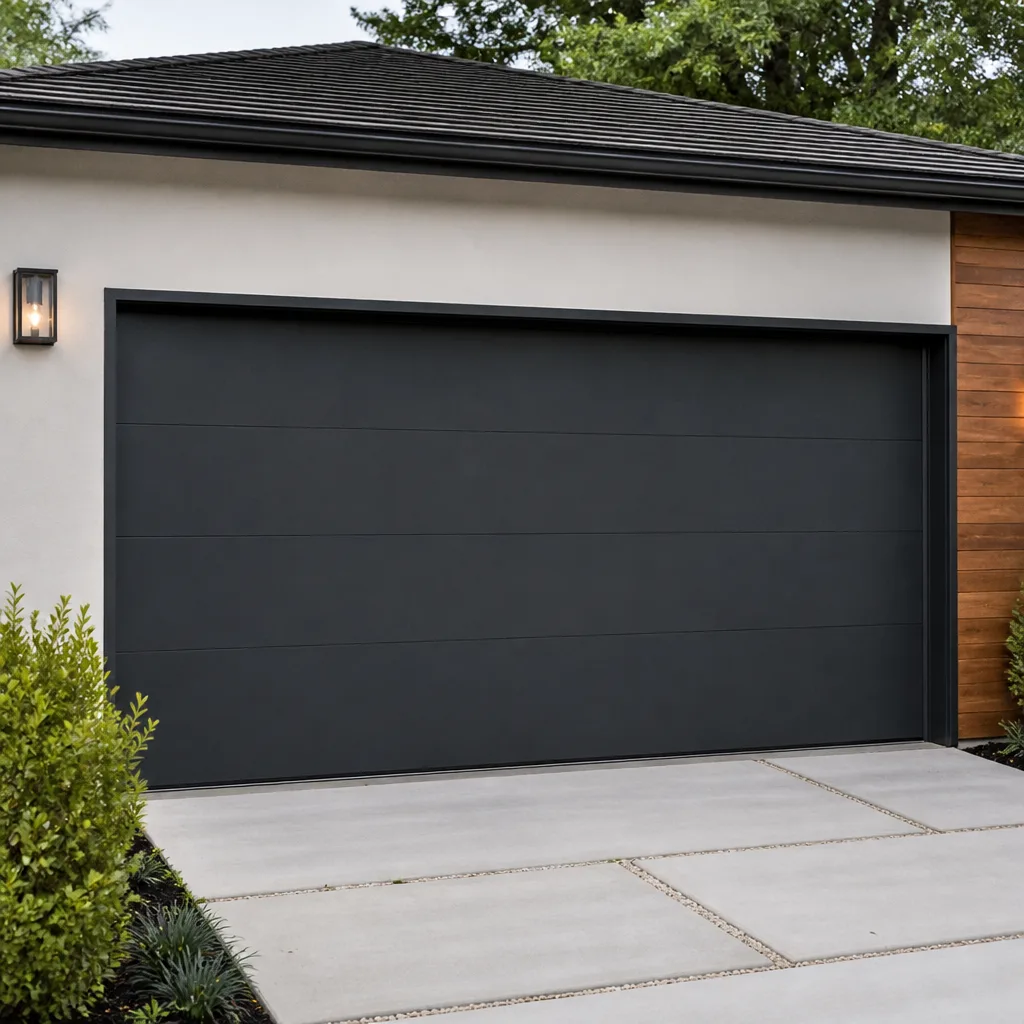 Modern flush
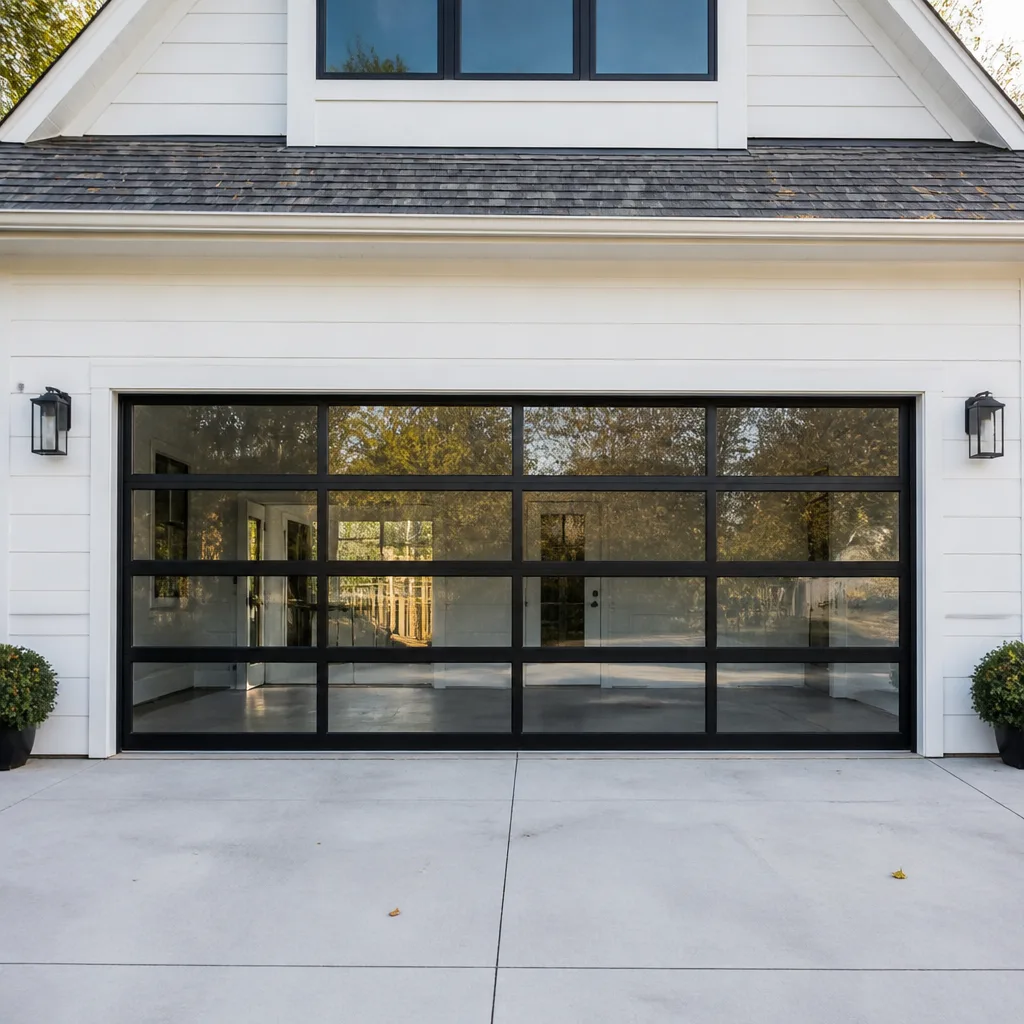 Full-view glass
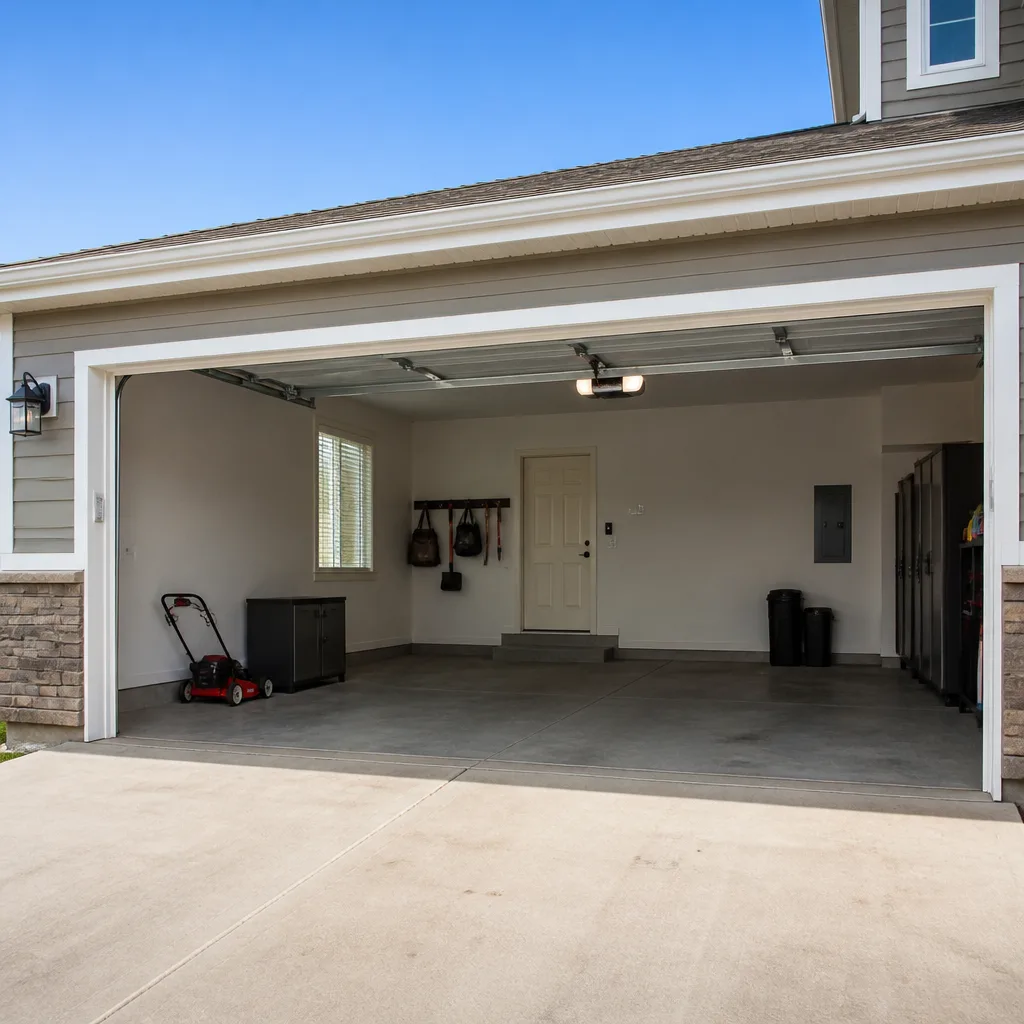 LiftMaster openers
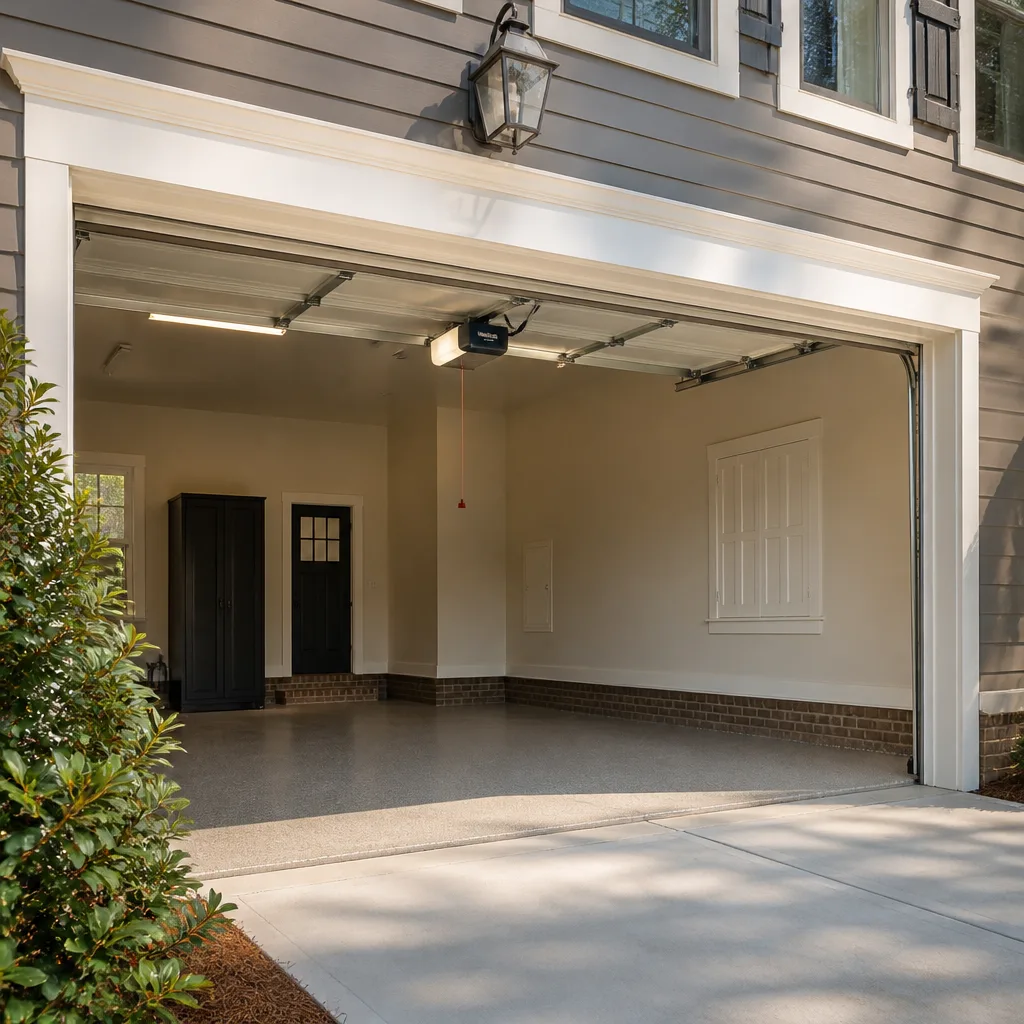 Chamberlain openers
Full 25-point door and opener safety check with every visit - springs, cables, rollers, tracks, and your LiftMaster or Chamberlain opener included
You get a price before we start. It does not change when the pro arrives.
Get your free estimateThe Complete Guide to Garage Doors in Richmond
Richmond sits in a climate band that freezes pipes in January and bakes asphalt in August, and most garage doors installed here are spec’d for neither extreme. That’s the counterintuitive part: the door itself is usually fine. What fails is the system around it – a spring that’s cycled through a thousand freeze-thaw mornings, an opener motor working against a door that’s heavier than its spec, a wood panel that’s swollen from a humid July. In this guide we map every garage door decision to Richmond specifically: which materials hold up in our humidity swings, which styles fit the city’s Colonial and Craftsman housing stock without upsetting an HOA, why insulation matters more here than national guides suggest, and which brands you can actually get parts for quickly in the Richmond metro.
Quick Answer
The right garage door for a Richmond home depends on three things: your home’s architecture and any HOA rules, whether the garage is attached and needs insulation against our temperature swings, and which brand you can get serviced fast when something breaks. Steel and composite doors handle Richmond humidity best, an insulated door pays off most on attached garages, and choosing a brand with solid local parts support (Clopay, Amarr, Wayne Dalton, and LiftMaster openers among them) saves you waiting when a spring or opener fails.
Styles & brands we work with
- Raised-panel steel
- Carriage house
- Modern flush
- Full-view glass
- LiftMaster openers
- Chamberlain openers
Table of Contents
- How Richmond’s Climate Affects Your Garage Door
- Wood vs. Steel vs. Composite: What Lasts in Richmond
- Matching Door Style to Richmond Architecture and HOA Rules
- Why Insulation Matters More on Richmond’s Attached Garages
- Brands and Parts Supply in the Richmond Metro
- Choosing the Right Opener for a Richmond Home
- How to Read a Richmond HOA Door Spec Sheet
- A Simple Maintenance Routine for Richmond Doors
How Richmond’s Climate Affects Your Garage Door
Richmond’s weather is hard on garage doors in a way that drier or milder climates aren’t. The region swings from freezing mornings in winter to humid, sticky summers, and that back-and-forth stresses every material in the system. Wood absorbs moisture and swells in summer, then dries and shrinks in winter, working seams and joints loose over the seasons. Steel expands and contracts with temperature, which can loosen fasteners and flex panels. Springs, the hardest-working part of the door, cycle every time the door opens and closes, and a door in Richmond may run through those cycles across a much wider temperature range than one in a stable climate.
There’s also the question of how much of the damage is visible. A door that looks fine from the curb can have a spring that’s near the end of its life, rollers that have flat-spotted, or a bottom seal that’s cracked from summer heat and now lets in cold air and pests. In our experience, Richmond homeowners often notice the door getting louder or slower before they notice anything’s actually wrong. That noise is a signal.
What matters for longevity in Richmond:
- Seasonal movement. Expect wood to move and steel to flex; both need hardware that can handle the shift without working loose.
- Humidity control. A sealed, insulated door keeps the garage from becoming a humidity trap that feeds mold and rust.
- Spring wear. Temperature swings accelerate cycle fatigue, so springs deserve a yearly visual check.
- Ice and snow at the threshold. A worn bottom seal lets meltwater in, which then refreezes and stresses the door’s base.
None of this means a Richmond door is doomed. It means the material and hardware choices you make up front determine how many trouble-free years you get before the first real repair.
Wood vs. Steel vs. Composite: What Lasts in Richmond
Material choice is the single biggest factor in how a Richmond door ages. Each option has real trade-offs, and the “right” answer depends on your budget, your home style, and how much upkeep you’re willing to do.
Wood
Wood doors look beautiful on a Colonial or Craftsman home and can be painted or stained to match. The catch in Richmond is moisture. Wood absorbs humidity in summer and dries in winter, and that cycle eventually cracks paint, opens joints, and invites rot at the bottom edge where water sits. A wood door needs repainting or resealing every few years to stay ahead of it. If you love the look and don’t mind the upkeep, wood is a fine choice; if you want low maintenance, it’s the wrong one.
Steel
Steel is the most common choice in Richmond for good reason: it’s strong, affordable, and holds paint well. The two things that matter are gauge and finish. A heavier-gauge steel skin resists dents better, and a factory-applied finish resists rust far better than a field-painted one. Steel expands and contracts with temperature, so quality hardware and proper installation matter. In our experience, a well-finished steel door is the most reliable long-term pick for most Richmond homes.
Composite
Composite doors are built to mimic wood grain while resisting moisture, which makes them a strong fit for Richmond’s humidity. They won’t rot or swell the way wood does, and they hold up to temperature swings well. The trade-off is cost and a smaller selection of styles. For a homeowner who wants a wood look without the repainting cycle, composite is worth a serious look.
Here’s a quick comparison:
- Wood: best look, highest upkeep, moisture-sensitive.
- Steel: best all-around durability for the price, watch the finish and gauge.
- Composite: wood look without the rot risk, higher upfront cost.
If you’re weighing a replacement, our garage door installation team can walk you through the material trade-offs for your specific home before you commit.
Matching Door Style to Richmond Architecture and HOA Rules
Richmond’s housing stock runs from Colonial and Craftsman to mid-century ranch, and the door style that looks right on one can look out of place on another. Getting this wrong is the most common regret we hear about. A raised-panel door suits a traditional Colonial; a carriage-house style fits a Craftsman; a clean, low-profile panel works on a mid-century ranch. The door should look like it belongs to the house, not bolted onto it.
Then there’s the HOA layer. Many Richmond-area neighborhoods have architectural review requirements, and a door that’s perfectly appropriate for your home can still run into friction if it doesn’t match the community’s palette or style guidelines. Before you order anything, check whether your HOA has a door policy and what it requires. The most common friction points:
- Color. HOAs often restrict doors to a specific palette or the home’s existing trim color.
- Window style and placement. Some communities require or prohibit certain window patterns.
- Material look. A carriage-style or wood-look door may need approval even when it’s the same material as a neighbor’s.
- Panel profile. Raised-panel versus flush can matter for visual consistency along a street.
Our advice: submit an approval request with photos and the manufacturer’s spec sheet before you buy. A little paperwork up front beats a rejected install.
Why Insulation Matters More on Richmond’s Attached Garages
Most national guides treat insulation as a comfort upgrade. In Richmond, it’s closer to a structural and energy decision, and that’s especially true on attached garages. An attached garage shares at least one wall – often a ceiling too – with the living space. An uninsulated door makes that shared wall the coldest surface in the house in winter and one of the hottest in summer, and it’s a common source of drafts, moisture problems, and rooms above the garage that never feel right.
Richmond’s mixed climate means the problem runs both directions. In winter, an uninsulated attached garage pulls heat out of the house and can freeze pipes along its shared wall. In summer, it traps heat and humidity that seep inward. An insulated door helps hold a steadier temperature in the garage itself, which takes pressure off the shared wall and the rooms beyond it.
What to consider:
- Attached garage? Insulation is worth prioritizing, especially if a bedroom, kitchen, or laundry room shares a wall.
- Detached garage? Insulation matters less unless you use the space for work or storage that needs temperature control.
- R-value. Higher R-value means more resistance to heat flow. Ask the manufacturer what a given door’s R-value actually is rather than assuming all “insulated” doors are equal.
- Sealing. Insulation only works if the door seals. Worn bottom seals and side weatherstripping undercut even a well-insulated panel.
If your garage sits under a bedroom that’s always too cold, the door is often part of the answer – and sometimes the cheapest part to fix.
Brands and Parts Supply in the Richmond Metro
Brand choice isn’t just about the door you buy. It’s about how fast you can get it fixed when something fails. In the Richmond metro, some brands are easy to service quickly because parts are widely stocked and technicians know the systems; others can leave you waiting on a specialty order. Knowing the difference saves time exactly when you don’t have it.
Door manufacturers we work with routinely include Clopay, Amarr, and Wayne Dalton, and opener systems from LiftMaster, Chamberlain, Genie, and Craftsman. The practical point for a Richmond homeowner: pick a brand that’s common enough that parts and know-how are close at hand. A widely installed brand means a spring, roller, or opener component can often be sourced fast. An obscure import might mean a longer wait for a single part.
We’re factory-familiar with eight major brands across both door manufacturers and opener systems – Clopay, Amarr, Wayne Dalton, Raynor, LiftMaster, Chamberlain, Genie, and Craftsman – so there’s no guesswork when a technician arrives. That matters when the door is stuck open and you need it closed before dark.
A few practical pointers on brand and supply:
- Stick with widely serviced brands. Clopay, Amarr, and Wayne Dalton parts are commonly available in the area.
- Match the opener to the door. A modern opener paired with an older door can strain both.
- Ask about parts availability before you buy. A door is a long-term system; you want a brand you can maintain.
When something does fail, our garage door repair service is built around getting the right part in and the door working again the same day where possible.
Choosing the Right Opener for a Richmond Home
The opener is the part of the system people think about least and notice most. It’s the motor, the safety sensors, and increasingly the connection to your phone. For Richmond homes, the choice usually comes down to one question: are you matching a new opener to an older door, or starting fresh? Both are workable, but they call for different thinking.
Legacy systems
Older openings often run on traditional radio-frequency openers – Genie and Craftsman are common. These are simple, reliable, and cheap to service, and if yours is working well there’s often no reason to replace it. The catch is that older units may lack the safety features and connectivity of a new opener, and parts for very old models can be harder to source.
Modern and smart systems
Newer openings tend toward LiftMaster and Chamberlain systems, including models with smart-home connectivity like Chamberlain’s myQ, which lets you open, close, and monitor the door from a phone. For a small landlord managing a rental property, that’s genuinely useful. For a homeowner, it’s a nice-to-have that also adds a layer of security.
Matching opener to door
An opener’s power needs to suit the door’s weight. Pairing a strong opener with a heavy, poorly balanced door stresses the motor; pairing a weak opener with a big insulated door means it works too hard from day one. A proper install balances the door first, then matches the opener to it.
If your opener is the problem, our garage door opener repair service covers both the legacy and smart-home generations. And if you’re starting from scratch, an opener install can be planned as part of a new door project.
How to Read a Richmond HOA Door Spec Sheet
If your neighborhood has architectural review, the door spec sheet is the document that decides whether your project sails through or stalls. Reading it carefully before you shop is the difference between a smooth approval and a rejected order. Here’s how to work through one.
- Find the color rules. The sheet will usually list approved colors or tie the door to the home’s existing trim. Note whether it’s a specific palette or a “match existing” rule.
- Check the style language. Look for restrictions on panel type, window pattern, and whether carriage-house or wood-look doors require separate approval.
- Note the material and finish requirements. Some communities specify finish or prohibit certain looks even on approved materials.
- Confirm the submission process. Find out what’s required: photos, a manufacturer’s spec sheet, a paint sample, or a site drawing.
- Ask about the review timeline. Know how far ahead to submit so the approval lines up with your install date.
Variance requests are common, and what typically gets approved is a door that’s the same material and general style as the surrounding homes, just with a different panel detail or a slightly different window arrangement. What tends to get pushed back is a door that visually breaks from the street. In our experience, the approvals that go through fastest are the ones submitted with full documentation and a clear photo of the surrounding homes.
One more Richmond note: because the area’s housing runs from Colonial to mid-century ranch, a single HOA may cover several home styles. That means the spec sheet language can be broad, and the review committee may be interpreting it case by case. When in doubt, ask before you buy.
A Simple Maintenance Routine for Richmond Doors
Most garage door failures we see start small. A little maintenance a few times a year heads off the majority of them, and it’s all visual or light-duty work you can do safely. The one rule: never touch the springs or cables. Those are under extreme tension and are a genuine injury risk. Everything below is safe to check from the ground.
- Check the balance. Disconnect the opener and lift the door halfway by hand. It should stay put. If it drops or rises on its own, the springs need attention.
- Listen for changes. A door that’s getting louder or shudders as it moves usually has worn rollers, loose hardware, or a spring problem.
- Inspect the seals. Look at the bottom seal and side weatherstripping for cracks or gaps. Worn seals let in water, cold air, and pests.
- Look at the hardware. Check hinges, brackets, and rollers for looseness or rust. Tighten what’s loose with hand tools.
- Test the safety reverse. Put an object in the door’s path and confirm it reverses on contact.
- Wipe down the finish. For steel and composite doors, a quick clean helps the finish last. For wood, check for cracked paint or exposed wood and reseal as needed.
Doing this a few times a year, especially as seasons change, keeps small problems from becoming failures. If you find a balance issue or hear a loud snap, stop using the door and call for help – that’s a spring problem, not a DIY fix.
Common Mistakes to Avoid
- Choosing a door for looks alone. A style that’s beautiful but wrong for your climate or HOA means constant upkeep or a rejected install. Match the door to your home, your humidity, and your community rules before you fall for a photo.
- Skipping insulation on an attached garage. Richmond’s temperature swings make an uninsulated attached garage a real energy and moisture problem. It’s the upgrade people most often regret skipping.
- Buying a door without checking parts availability. An obscure brand can mean a long wait for a single part when something fails. Choose a brand with solid local support.
- Letting a small noise go. A door that’s getting louder is telling you something’s wearing. Waiting until it fails usually costs more than a quick repair.
- Attempting spring or cable work yourself. High-tension springs and cables can cause serious injury. This is a job for a trained technician, full stop.
- Ignoring the HOA until after the order. Submitting an approval request after you’ve bought the door is the most common and most avoidable headache in Richmond installs.
- Pairing a mismatched opener and door. An opener that’s too strong or too weak for the door strains both from day one. Match them from the start.
See the difference
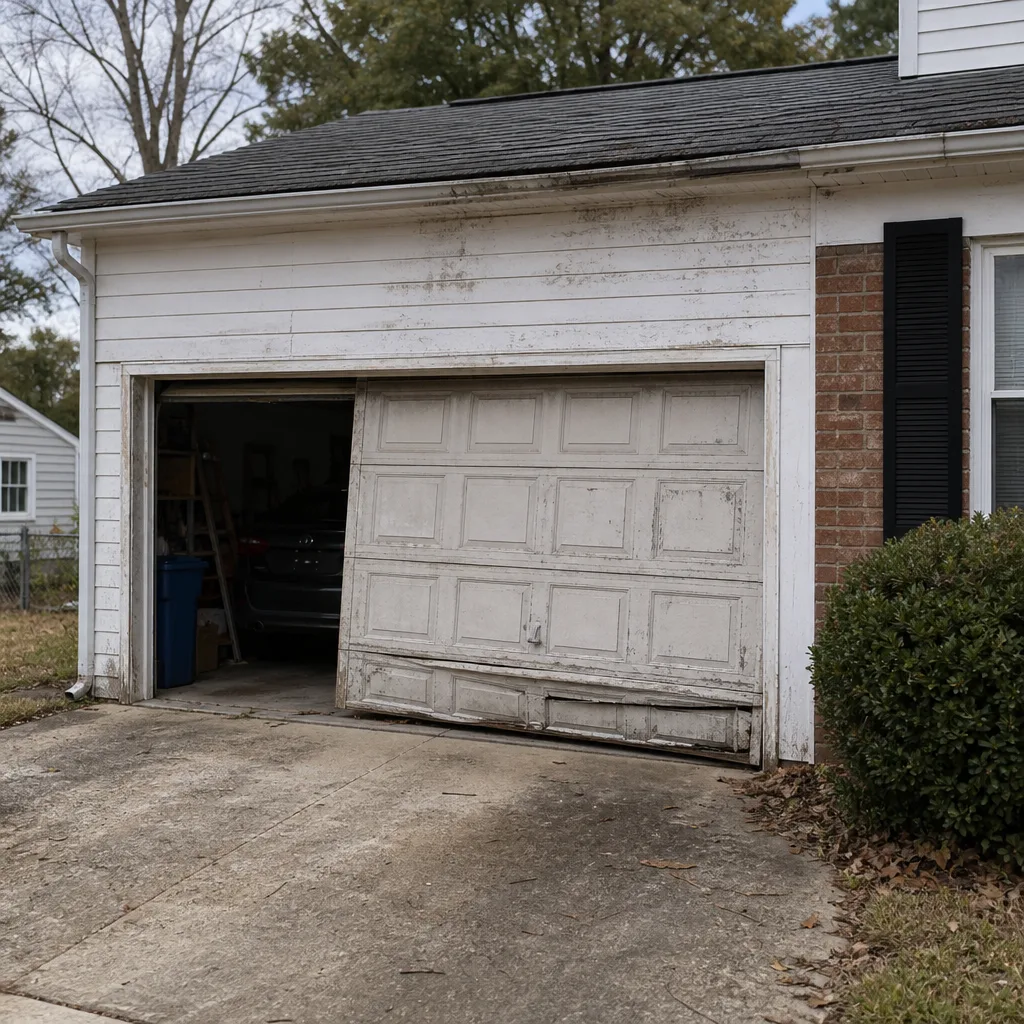 Before
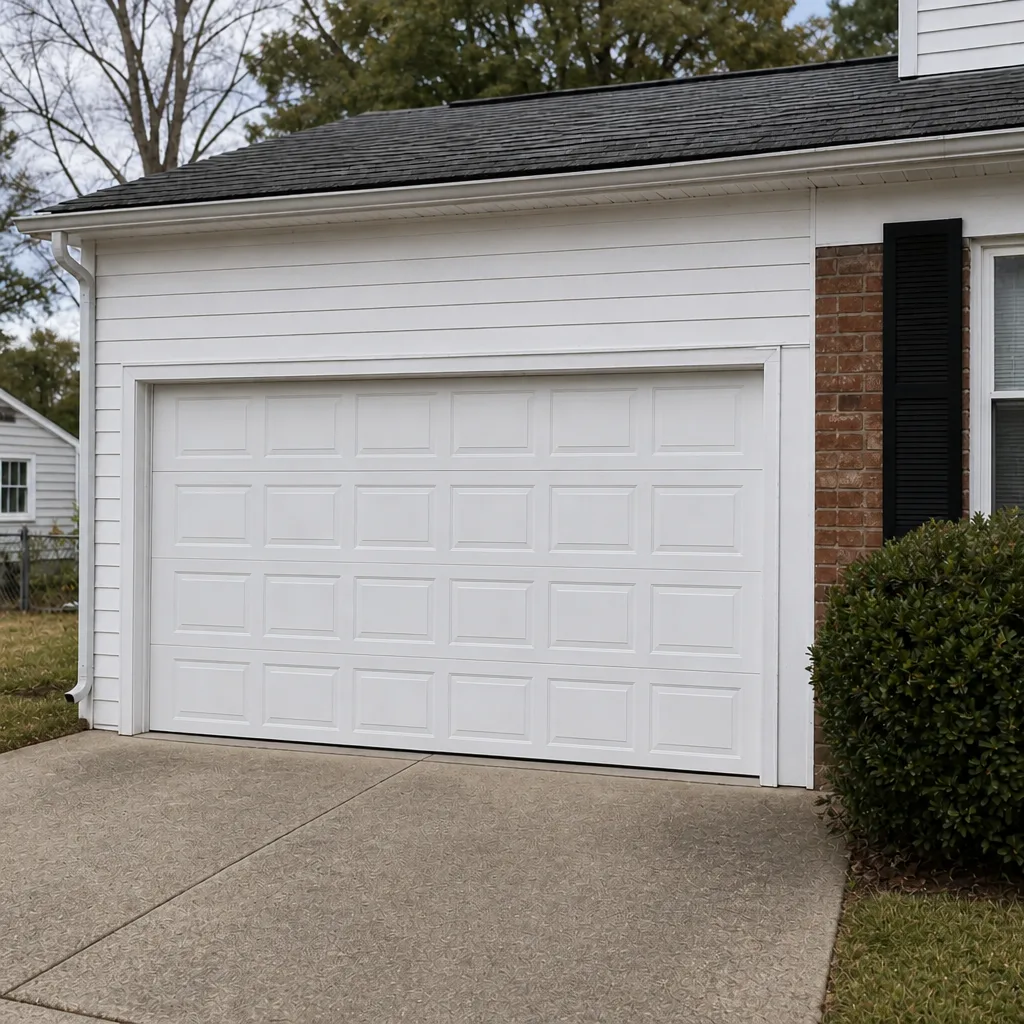 After
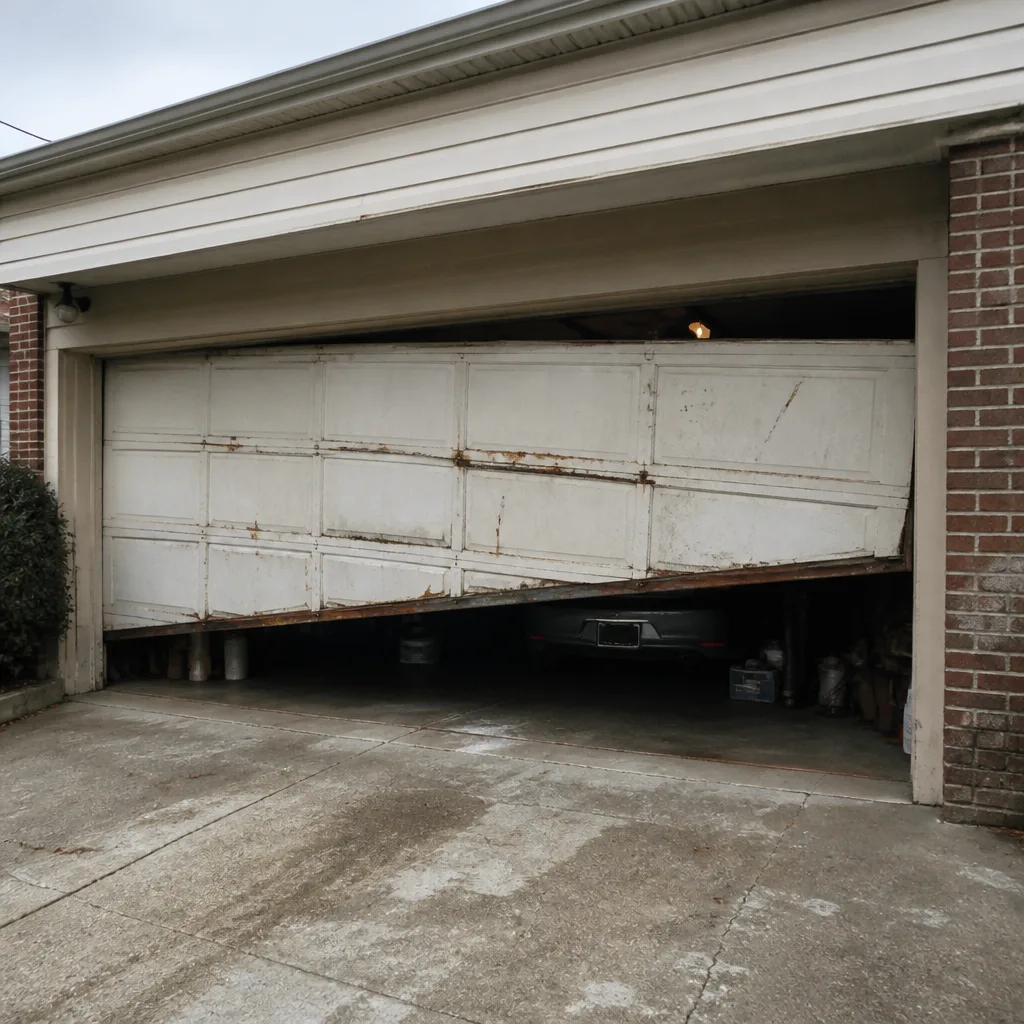 Before
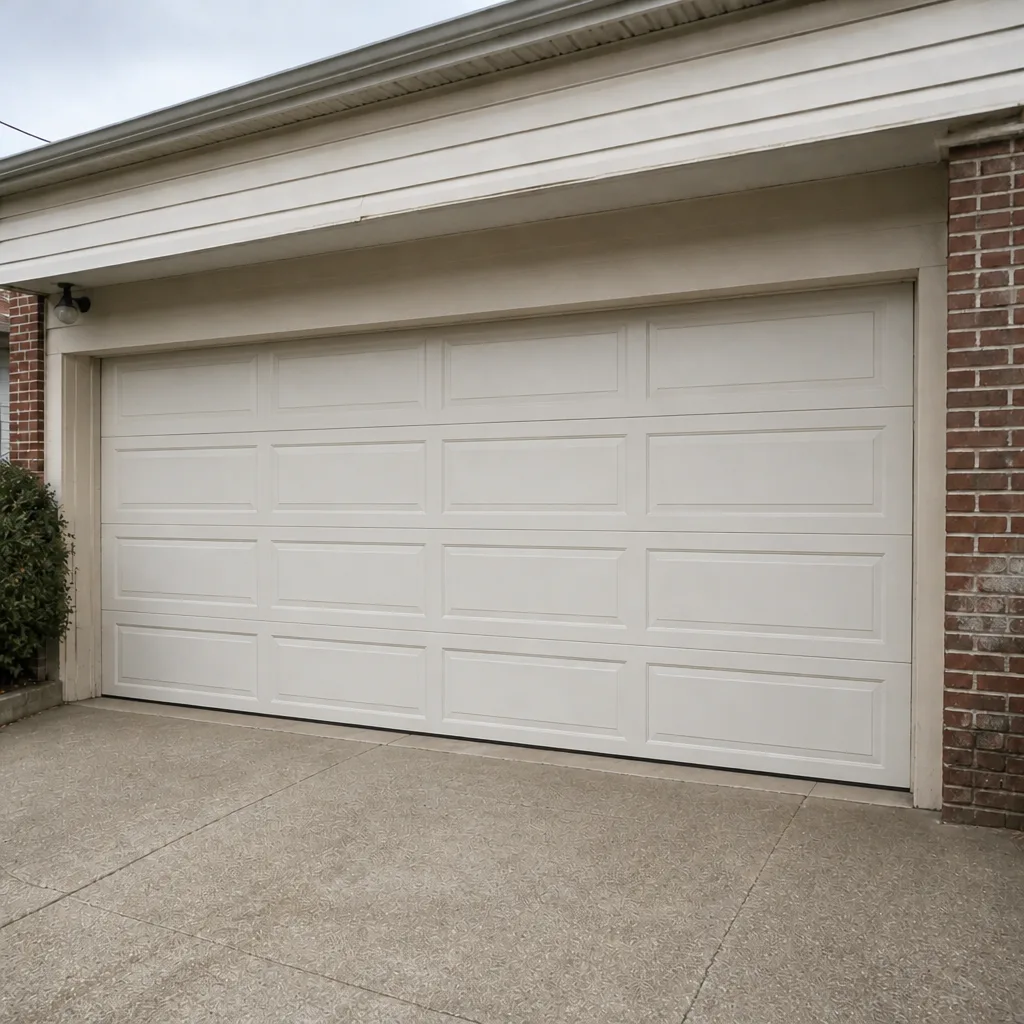 After
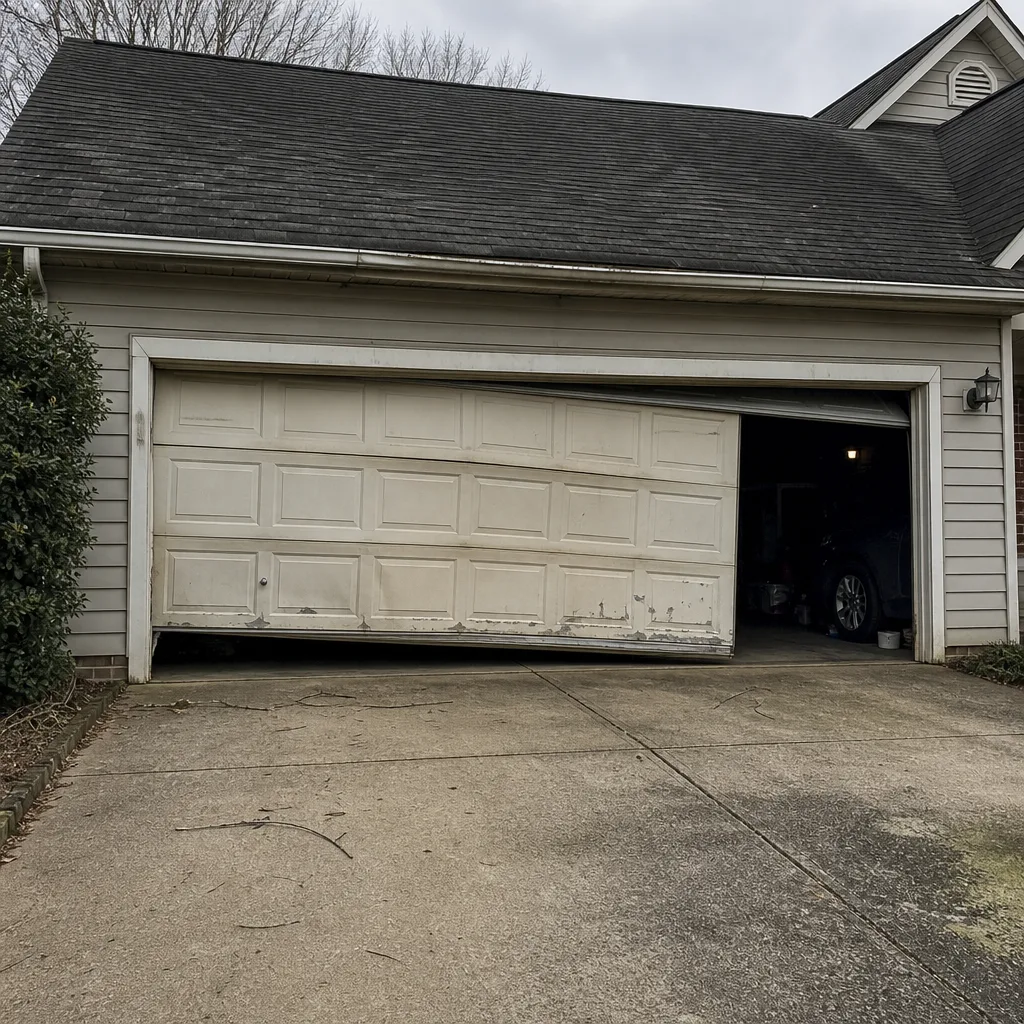 Before
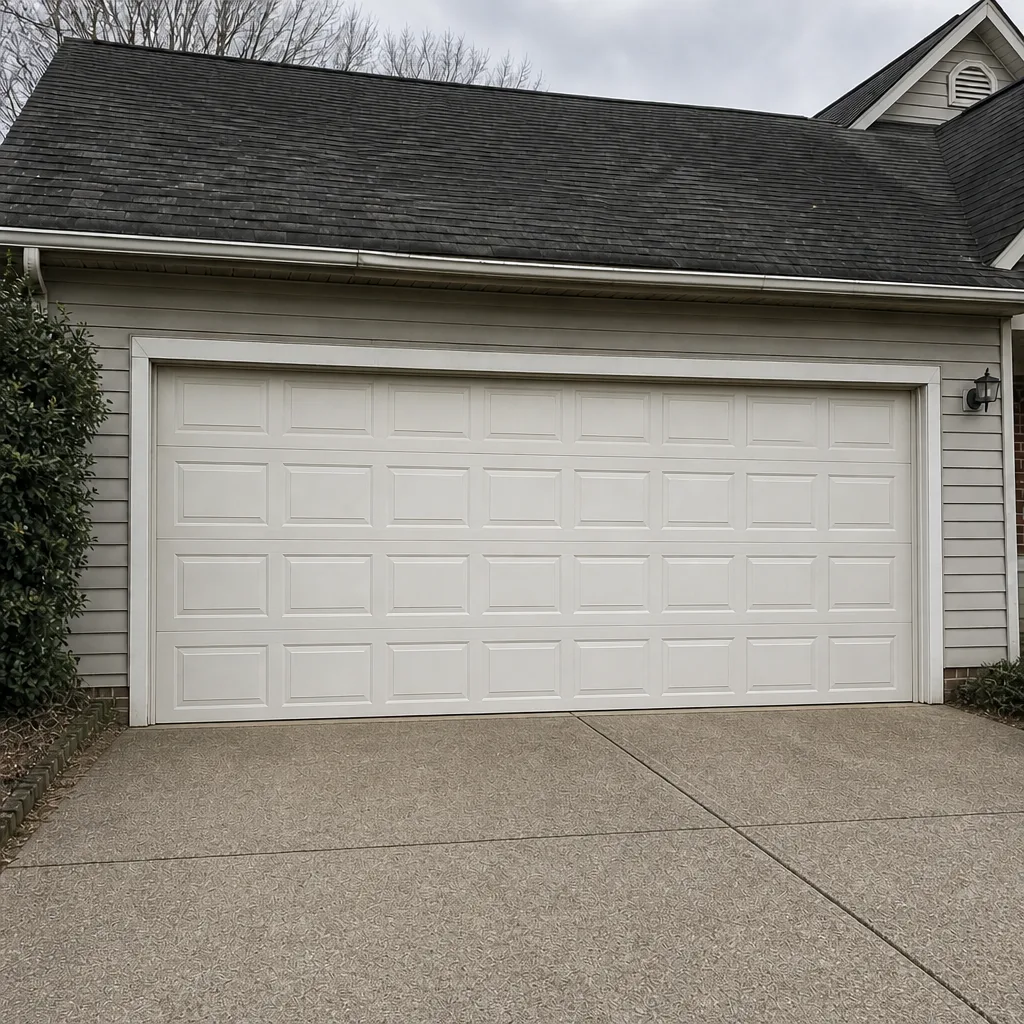 After
When to Call a Professional
Some garage door work is safe to handle yourself, but several situations call for a trained technician: a door that won’t balance, a snapped or sagging spring, a cable that’s come off its drum, a door stuck open or closed, or an opener that won’t respond after basic troubleshooting. A broken spring or a door that’s off its track is a safety issue – stop using the door and get help rather than forcing it. Richmond Garage Door Repair Experts offers free estimates in Richmond, handles springs, openers, and emergency calls as core services, and is factory-familiar with the brands most Richmond homes run. Call (866) 490-7906. We answer 24/7. Fast dispatch from 7am to 7pm, Sunday through Friday. The price is quoted and agreed before any work starts, and the written estimate sets the final price.
Frequently Asked Questions
Steel and composite are the most reliable picks for Richmond’s humidity and temperature swings. Steel is durable and affordable with a good factory finish, and composite gives you a wood look without the rot risk. Wood is beautiful but needs regular repainting to handle the seasonal moisture.
You should strongly consider one if you have an attached garage. Richmond’s mixed climate makes an uninsulated attached garage a source of drafts, moisture, and rooms above the garage that never feel right. For a detached garage, insulation matters less unless you use the space for work.
Costs vary with the problem and the parts involved, and the final price is set by the written estimate after we see the door. Springs, openers, and track issues are all priced per job rather than by a flat fee, so a quick assessment is the surest way to get an exact figure. Call (866) 490-7906 for a free estimate.
We service eight of the most widely installed brands: Clopay, Amarr, Wayne Dalton, Raynor, LiftMaster, Chamberlain, Genie, and Craftsman. That covers the door manufacturers and opener systems you’re most likely to have. If you’re unsure of your brand, a technician can identify it on arrival.
The price is quoted and agreed before any work starts, and the written estimate sets the final price. If we find something unexpected during the assessment, we’ll discuss it with you before touching anything.
We can help you put together the documentation a review committee usually wants – manufacturer specs, style details, and color information – so your submission is complete. The final approval rests with your HOA, so submit before you order to avoid delays.
Same-day service is often possible for urgent access or security situations. We answer 24/7, and a call outside dispatch hours is booked into the next opening, Sunday through Friday, 7am to 7pm. Call (866) 490-7906 and we’ll get you scheduled.
The Bottom Line
Richmond’s climate and housing mix make garage door decisions more local than national guides let on. Prioritize a material that handles humidity (steel or composite), insulate an attached garage, choose a style that fits your home and your HOA, and pick a brand you can get serviced fast. Handle small maintenance yourself and leave springs and cables to a trained technician. Get the decision right up front and the door does its job quietly for years. Richmond Garage Door Repair Experts covers the whole system – from the opener to the panel to the spring – and is one call for the entire door’s life.
For help with any garage door decision in Richmond, call (866) 490-7906 for a free estimate. We answer 24/7. Fast dispatch from 7am to 7pm, Sunday through Friday. Whether you need Richmond Garage Door Repair Experts for a quick fix or a fresh install, get the written estimate before any work starts and you’ll know the price up front.
Written by the team at Richmond Garage Door Repair Experts.