
Last updated November 21, 2026
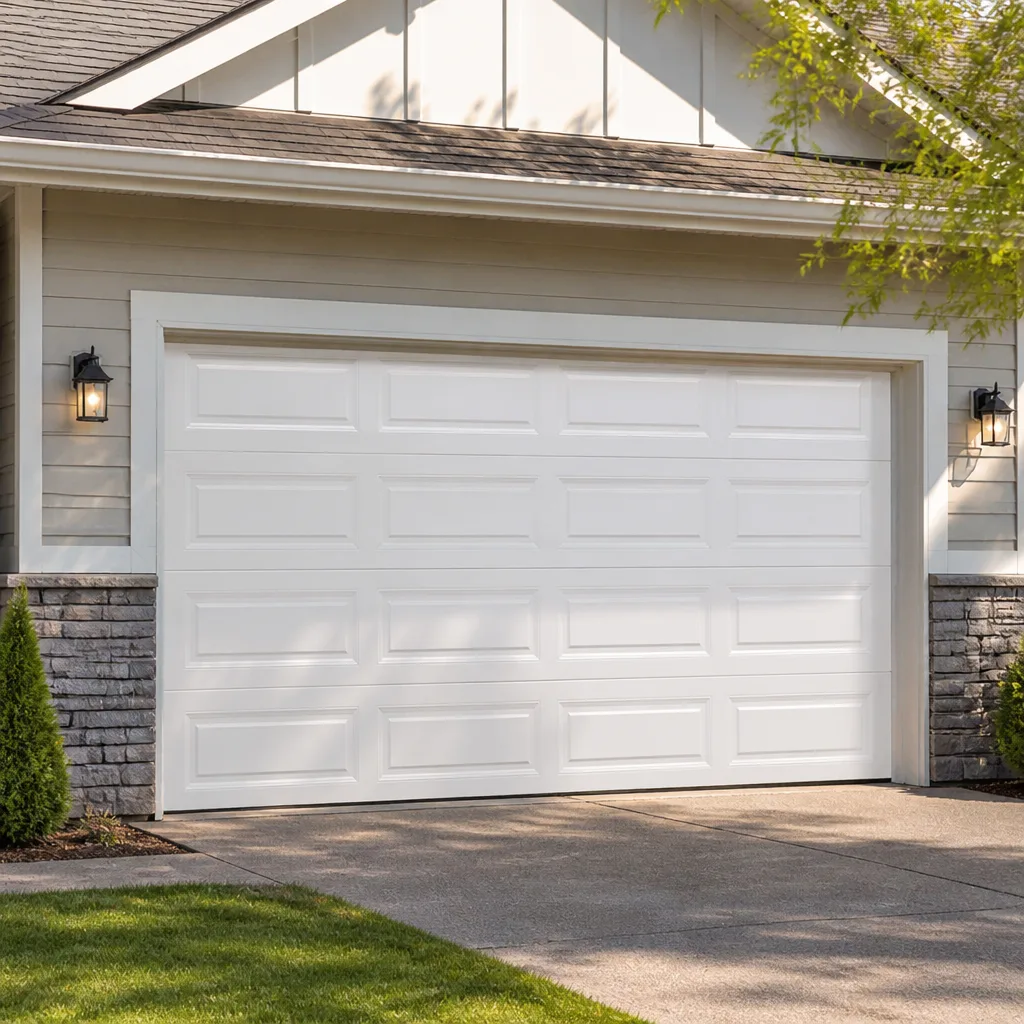 Raised-panel steel
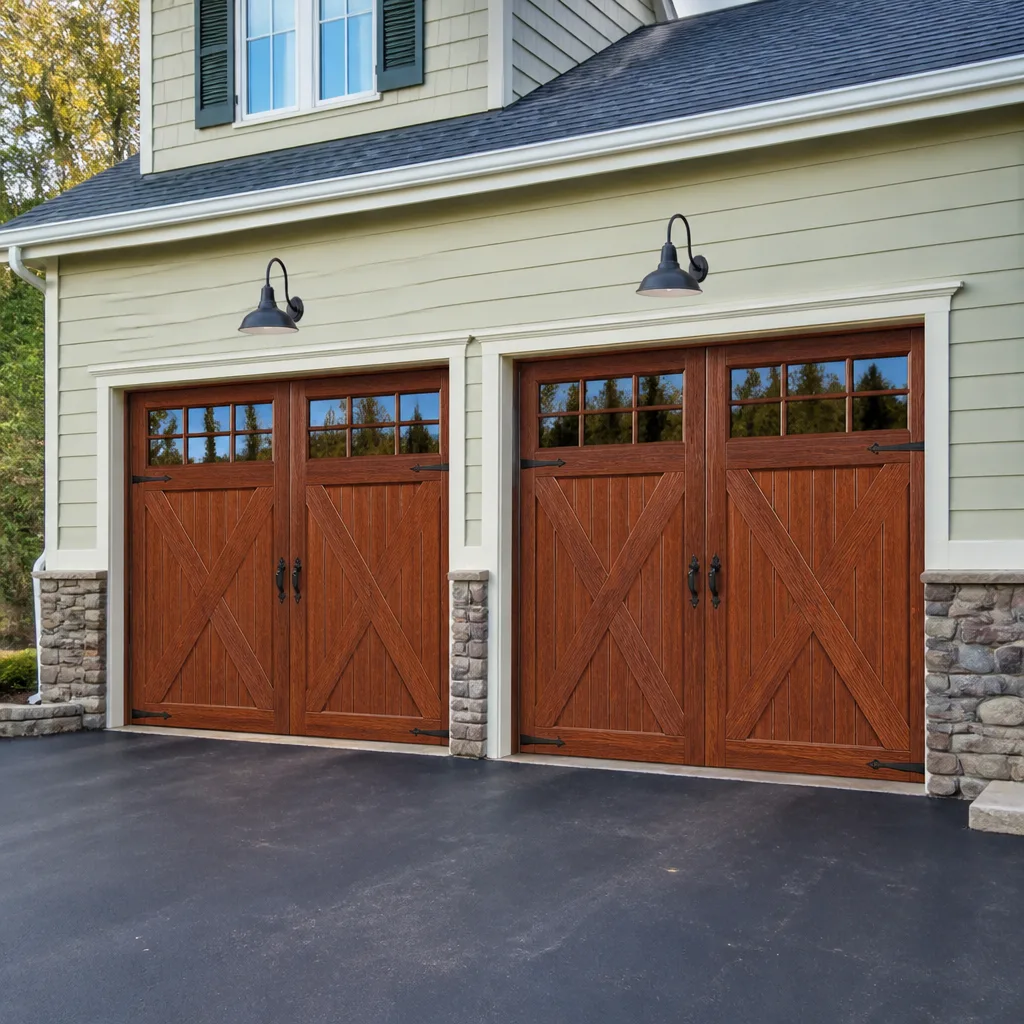 Carriage house
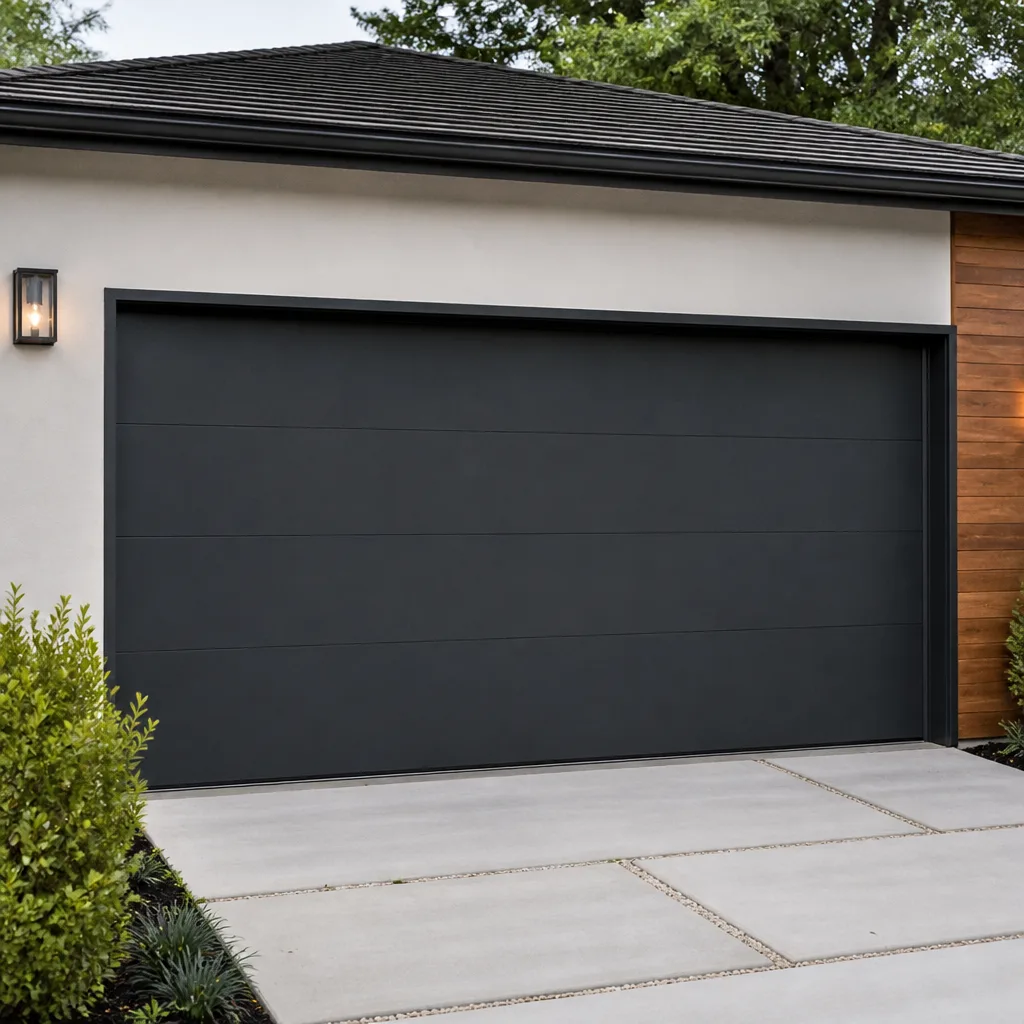 Modern flush
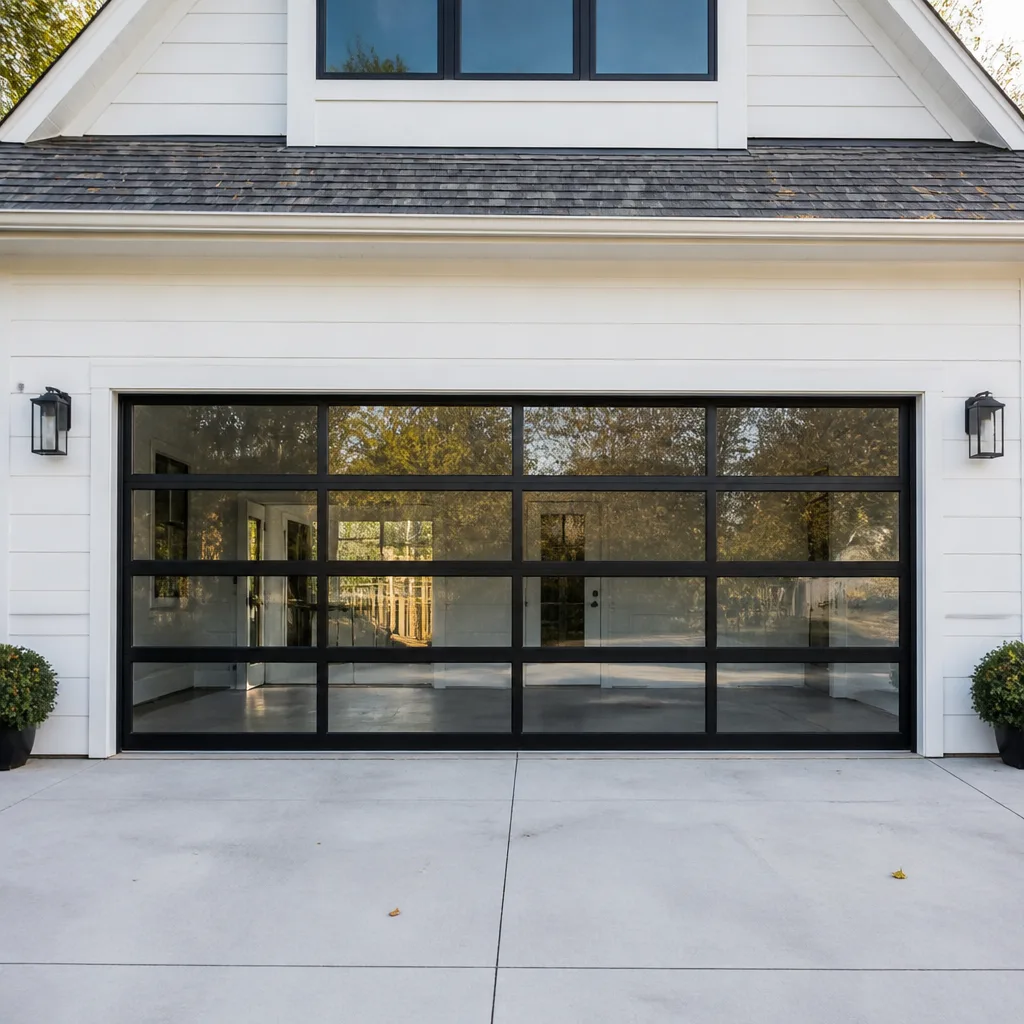 Full-view glass
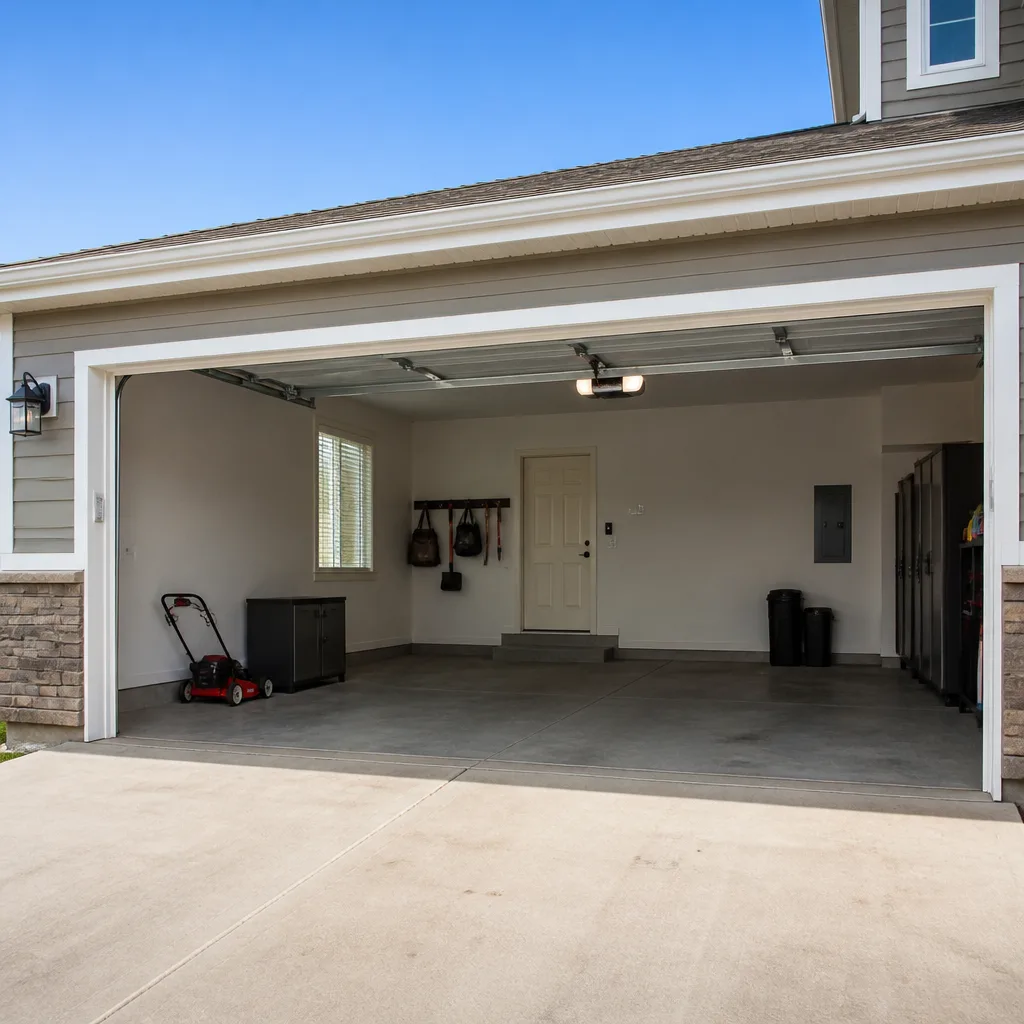 LiftMaster openers
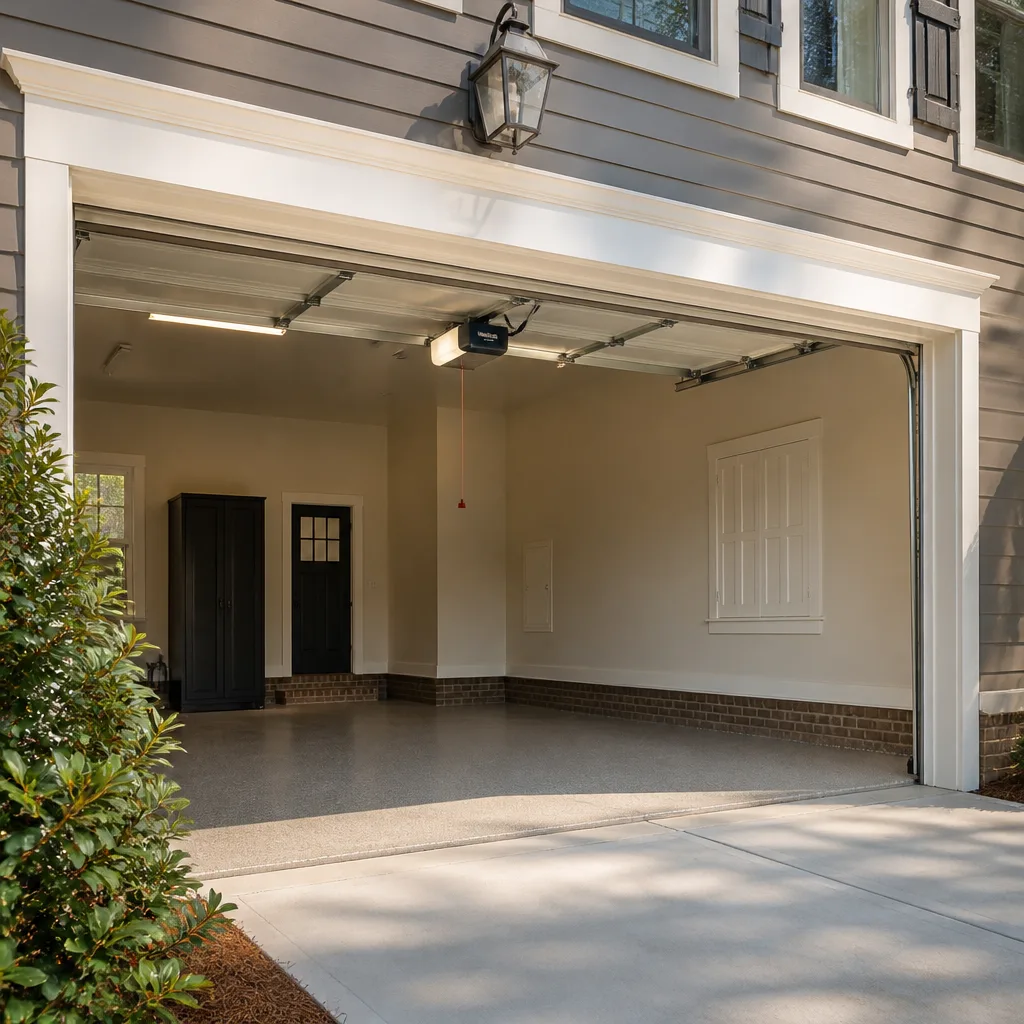 Chamberlain openers
Full 25-point door and opener safety check with every visit - springs, cables, rollers, tracks, and your LiftMaster or Chamberlain opener included
You get a price before we start. It does not change when the pro arrives.
Get your free estimateGarage Door Warning Signs: A Richmond Homeowner’s Reference Guide
Most garage door failures announce themselves weeks before they happen. By the time a torsion spring snaps, the door has usually been showing three specific warning signs for 30 to 90 days: a slight change in sound, a hesitation at the opener, a gap on one side that nobody thought to measure. Homeowners walk past these signals every morning because no one ever told them what they were looking at. That’s what this guide fixes. You’ll learn the early, easy-to-miss signs that separate a small fix from a full emergency, how to tell a spring problem from a roller problem by sound alone, and when a Richmond door needs a trained eye.
Quick Answer
The earliest warning signs of a failing garage door are a change in the door’s sound (grinding, popping, or a metallic twang), a gap of more than a quarter inch on one side when the door is closed, and an opener that hesitates, reverses, or gets louder. Any of these three showing up together on a Richmond door is a strong signal to get the system inspected before the spring or cable fails.
Styles & brands we work with
- Raised-panel steel
- Carriage house
- Modern flush
- Full-view glass
- LiftMaster openers
- Chamberlain openers
Table of Contents
- The Sound Profile: What Your Door Is Telling You
- Visual Asymmetry: The 1-Inch Gap That Matters
- Opener Behavior Changes and What They Mean
- Track Alignment Micro-Shifts and Early Binding
- Why “Works Fine Manually” Is a Warning
- How Richmond Weather Accelerates Wear
- A Simple Monthly Inspection Checklist
- When to Call a Professional
The Sound Profile: What Your Door Is Telling You
Almost every homeowner who calls about a “noisy door” describes the same thing: a grinding or squealing sound that started a few weeks ago and has gotten louder. In our experience, that sound is almost never the same problem twice, and identifying which sound you’re hearing is the single most useful thing you can do before a technician arrives. There are two distinct categories, and they mean very different things.
Roller and Track Noise (the low-stakes sound)
Roller noise is usually a low, rolling scrape or squeal that comes from the sides of the door. It tends to sync with the door’s movement and stops when the door stops. In Richmond’s humid summers, the steel rollers and hinges lose their factory lubrication faster than owners expect, and a rolling track that hasn’t been greased in a couple of years will start to squeal. This is a good-news sound. It usually means fresh lubrication or a set of replacement nylon rollers, and the door’s core lifting mechanism is still intact.
Spring and Cable Noise (the high-stakes sound)
Spring noise is different in three specific ways. It’s metallic and higher-pitched, more of a twang or pop than a scrape, and it often happens once rather than repeating with the movement of the door. Cable noise is a sharp snap or ping, followed sometimes by a sudden slackness in the door’s travel. A torsion spring nearing the end of its life will show its hand with an audible snap that homeowners hear once and then never again, because the spring is now broken. If you hear a single loud pop from above the door, stop operating it, don’t try to raise or lower it manually, and call for help. The door’s weight is now being carried by cables and the opener, and the system is under unbalanced load.
Springs are dangerous. This is one of the most hazardous DIY jobs in home maintenance, which is why we offer garage door spring repair as a dedicated service rather than a task bundled into general handyman work. When the spring is the issue, stop testing, stop pulling, and let a trained technician handle the fix.
Visual Asymmetry: The 1-Inch Gap That Matters
Stand in front of your closed Richmond garage door and look at the bottom edge. It should meet the floor with an even gap across its full width, usually a fraction of an inch that the weather seal covers. If one side is sitting a half inch or a full inch higher than the other, that difference is one of the most reliable early warnings of trouble in the spring and cable system. It’s not cosmetic. It’s a load imbalance.
What the gap is telling you
Torsion springs run as a matched pair in most Richmond homes, one on each side of the shaft above the door. When one spring starts to weaken, the door no longer lifts evenly. The far side travels a little faster or a little slower, and the gap on the floor shows it before anything breaks. On extension-spring doors, the same imbalance shows up if a cable stretches or jumps a drum. A door that sat evenly last summer and now sits one inch off is not drifting because of a loose hinge. It’s a spring or cable load problem, and it should be inspected before the door runs out of travel while you’re in the driveway.
How to measure without guessing
- Close the door and unplug the opener, but don’t release the door from the opener rail.
- Look at the horizontal gap under each bottom corner and compare them by eye first.
- If the gap looks uneven, measure with a tape from the floor to the bottom edge on each side.
- Note the difference. Anything over a quarter inch on a level floor is worth a professional look.
- Check the same measurement after the door next cycles up and down. A gap that changes between cycles is a stronger signal than a gap that stays put.
Do this check without lying under the door or reaching for the spring. Measuring the floor gap is safe. Touching the torsion shaft or the springs is not.
Opener Behavior Changes and What They Mean
Your opener is the most communicative component in the whole system, and most homeowners read its warnings as quirks. A LiftMaster or Chamberlain that suddenly pauses before moving, a Genie that reverses halfway down, a Craftsman opener that is noticeably louder than it was a season ago: none of these are normal aging. Each one maps to a specific mechanical cause.
Hesitation before the door moves
When the opener engages but the door waits a beat before traveling, the motor is overcoming resistance that shouldn’t be there. The usual cause is a spring that’s lost tension, a bent track, or a roller that’s seized. The opener is doing more lifting than it was designed for. Left too long, that extra load burns out the opener’s gear and drive, turning a spring job into an opener replacement as well.
Reverse mid-travel, or reverse immediately after starting down
If the door starts down, then reverses before it reaches the floor, the opener’s safety system is sensing an obstruction. Sometimes it’s a misaligned safety sensor. Often it’s the door binding against a track because a panel has shifted. Do not tape the sensors out of the way to force the door closed. That defeats a safety feature designed to stop the door on a person, a pet, or a car. If garage door opener repair is what your system needs, the cause is usually in the door’s travel, not the opener’s electronics.
Increased motor noise on LiftMaster and Chamberlain units
Modern openers are quieter than the units they replaced. If a unit that used to run quietly suddenly groans or squeals, the chain or belt is running against a binding sprocket or a dry rail. Smart systems like myQ and other connected openers can log when the door has needed more force to close over time. If your app has been showing more frequent “obstruction” alerts, the door has been trying to tell you something. The same applies to older Genie and Craftsman openers that no longer beep or flash during travel. Any change in the opener’s behavior is diagnostic, not cosmetic.
Track Alignment Micro-Shifts and Early Binding
Track problems don’t appear overnight in a well-installed door. They creep in from small shifts that add up: a bracket loosened by seasonal expansion and contraction, a slab settling, a door panel that took a light bump and moved an eighth of an inch. These micro-shifts are what a trained technician looks for on an inspection, and they’re visible to the homeowner too if you know what to look at.
What to look for, without touching
- Gaps between track and rollers: the rollers should sit snugly inside the track channel. A visible gap on one side of a roller means the track has bent.
- Track verticals: stand at the side of the door and look up the vertical track. It should be straight. A curve or kink toward the top means the door has been pulling against it.
- Hinge rivets: run your eye across the hinge line. Loose or elongated rivet holes are an early sign the door is binding in its track.
- The wall bracket: with the door closed, look at the steel bracket that holds the horizontal track to the frame. The screws should sit flush. Any bracket stopping on a washer or standing proud of the wall is working loose.
- The last panel below the top section: a gap between the second and third panel is often the first sign of a bent track in Richmond homes with single-lane driveways and daily tight maneuvering.
What a binding door sounds and feels like
A door that binds in its track jumps or shudders as it moves. You may see the door catch on one side while the other keeps going, then snap straight a second later. In our experience, this is the stage where a door that cost a modest amount to align becomes a door that needs a track replacement or, worse, a panel and cable inspection. Catching it during the micro-shift phase is the whole reason this guide exists. Your brand, our specialty: whether it’s a Clopay steel door or a Wayne Dalton panel design, the track tells you what’s coming months before the failure.
Why “Works Fine Manually” Is a Warning, Not a Reassurance
Here’s the one we hear most often: the door is hard to operate, but it opens and closes fine when you pull the release cord and lift it by hand. Homeowners use that as evidence the door is fine and the opener is the problem. It’s the opposite. A healthy garage door is heavy. The springs do almost all the lifting. If your Richmond door is easy to raise by hand, the springs are doing their job. If it fights you, if it drops when you let go, if a child couldn’t raise it, the spring system is failing.
The manual test and its limits
- Close the door and pull the opener release cord so the door is disconnected.
- Lift the door about halfway and stop. A balanced door should stay in place.
- If the door drops or you have to hold it up, the springs are out of balance and need professional inspection.
- Reconnect the opener by running it until the carriage engages, or follow the opener’s reconnect routine.
Stop before step 3 if anything under the door feels wrong or the door moves suddenly. A door with a compromised spring can come down hard and fast. If it drops when you let go, don’t keep lifting it to see if it recovers. That is your answer. The spring is the next failure, and every cycle of a failing spring brings it closer to the floor.
What “the opener struggles, but the door is fine by hand” means
When the door is balanced by hand but the opener still struggles, you have a different set of suspects: the opener’s motor or drive, a partially disengaged carriage, or a door that only binds under opener force. The mechanical system is healthy when lifted slowly but stresses under the speed and torque of the opener. That’s still a warning. The opener is going to be the part that burns out. If the door is difficult by hand and the opener struggles, you have both problems at once. That’s the combination that turns into a full emergency.
How Richmond Weather Accelerates Wear
Richmond runs hot, humid summers and cold winters with regular freeze-thaw cycles into the 40s and lower. That range is hard on a garage door, and it’s why the warning signs here often show up in a specific order.
Summer humidity and friction
From June through September, the humidity in Richmond can make bare steel rollers and hinges drag. Doors that were fine in May start to squeal by July. The roller noise is uncomfortable but harmless. The risk is that the humidity also swells wooden door frames and door jambs, which can pull a track slightly out of alignment against the face of the house. That’s a micro-shift you can see before you can hear it. Look at the gap between the track and the jamb in late summer. That’s the time of year it opens up.
Winter freeze-thaw and spring stress
Cold weather makes steel more brittle and the metal in your torsion springs more prone to fatigue. A spring that’s been carrying the door all summer and fall is at its most vulnerable in the first hard cold snap. This is why a lot of Richmond spring failures happen in January and February, and why the 30 to 90 day warning window matters so much. The clues were there in the fall, usually as that one-side gap or a new sound on a cold morning. Some things you can watch for as the temperature drops: the door operating with a slight delay on the first cycle of the morning, the opener running longer than it used to, or a chirp or squeal from the shaft above the door that wasn’t there in September.
Rust and cable wear
Rain driven sideways against a north- or west-facing block in Richmond will reach the cables and the bottom hinges. Rust on a cable is a warning sign in itself, because rust pits the steel. A pitted cable loses strength unevenly and can fray. If you can see red or orange powder on the cable near the bottom bracket, have it inspected before the next storm cycle.
A Simple Monthly Inspection Checklist
This takes about five minutes and catches the warning signs in this guide before they turn into a call. Do it without tools and without reaching for the springs, the shaft, or the cables.
- Look at the floor gap. The bottom edge of the closed door should sit evenly across its width. Any side difference over a quarter inch goes on the list.
- Listen through one full cycle. Stand back and listen while the door opens and closes. Note any new grinding, popping, or scraping. Roller noise is low and constant. Spring noise happens once and is loud.
- Watch the travel. The door should move smoothly and stop exactly. A hesitation, a pause mid-travel, or a jump on one side means the door is telling you something.
- Check the opener’s response. Press the remote from the same spot each month. If it takes a harder press or closer distance, the opener’s receiver or the battery is the first suspect, and the opener’s logic is the second.
- Look at the hinges and rollers. Rust flakes, a roller sitting loose in its track, or a hinge screw backing out are all in scope.
- Test the safety reverse. Place a roll of paper towels under the closing door and confirm it reverses when it hits. If it doesn’t, that’s a same-day fix, not a next-month one.
- Run the door by hand once a quarter. If it’s heavy, stop. A balanced door should hold its position at halfway. A door that drops is a spring problem.
Common Mistakes to Avoid
- Treating a noisy door as a lubrication job and stopping there. Lubrication fixes roller squeal. It does nothing for a spring losing tension. If the noise is a single pop or twang rather than a continuous scrape, don’t grease it and wait. Get it assessed.
- Measuring the gap on a sloping Richmond driveway. Many homes here have a slight grade at the door, and a level driveway is what you’re comparing against, not a bubble level on the floor. If you’re not sure, use the tape measure on both corners rather than eyeballing.
- Forcing a door that reverses on the opener. Taping the safety sensors out of the way or holding the button down to force the door is how a small imbalance becomes a bent door, a broken spring, or a vehicle with a dented roof. The door is reversing for a reason.
- Assuming the opener is the problem because the opener is what moves the door. When a door hesitates, the opener is usually the messenger. Replacing the opener on a door with a compromised spring just puts the new unit under the same load and buys you a few months.
- Treating “it works by hand” as proof the door is fine. That’s the most common misread in this guide, and it’s the one that turns a spring repair into a cable and track repair when the door drops.
- Waiting for spring failure season. In Richmond, the cold snap in January is when springs fail. The warning signs show up in the fall and early winter. If you see the one-side gap before the cold settles in, you still have time to schedule a replacement on your terms instead of calling in the cold.
- Calling a general handyman for a spring. A torsion spring under tension is a safety-critical component. Handymen who take the job without the right tools are at real risk and can leave your door out of balance. A specialist who handles springs as a dedicated service is the safer call.
See the difference
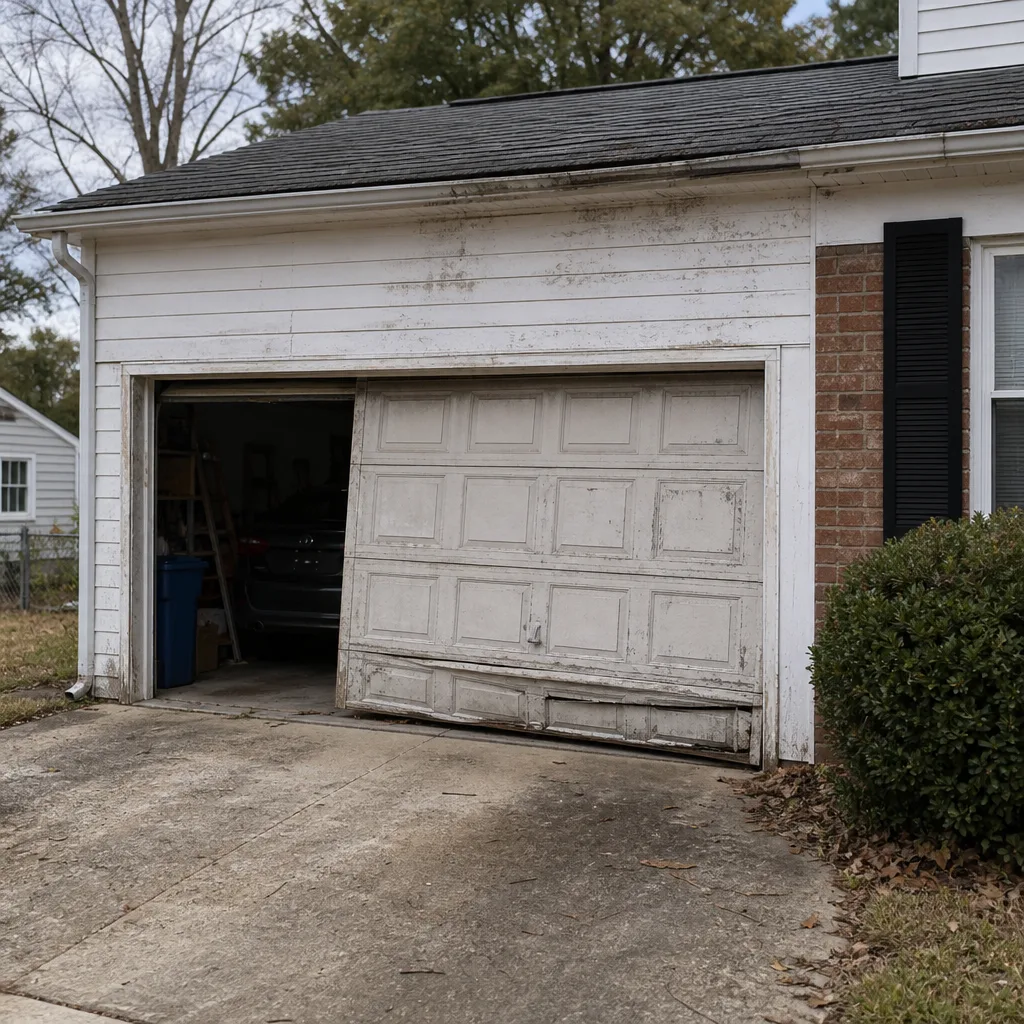 Before
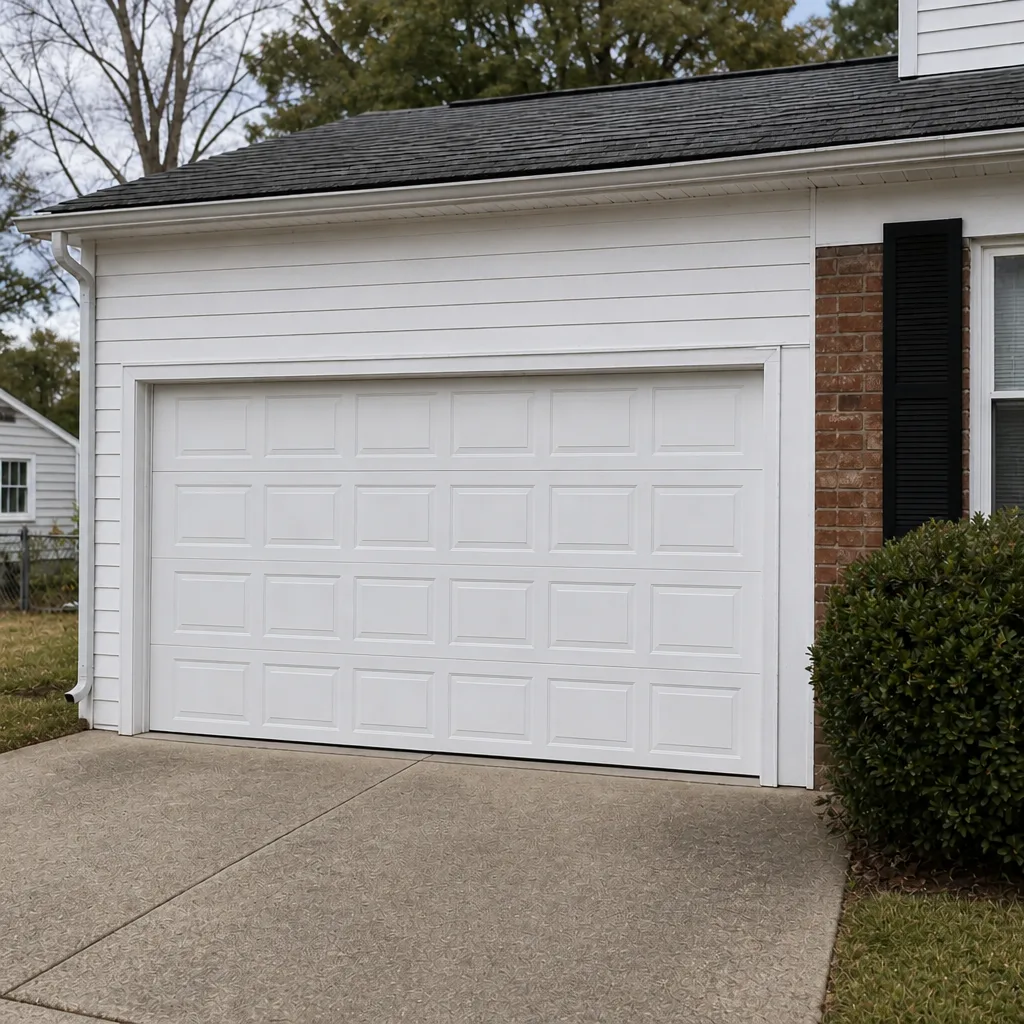 After
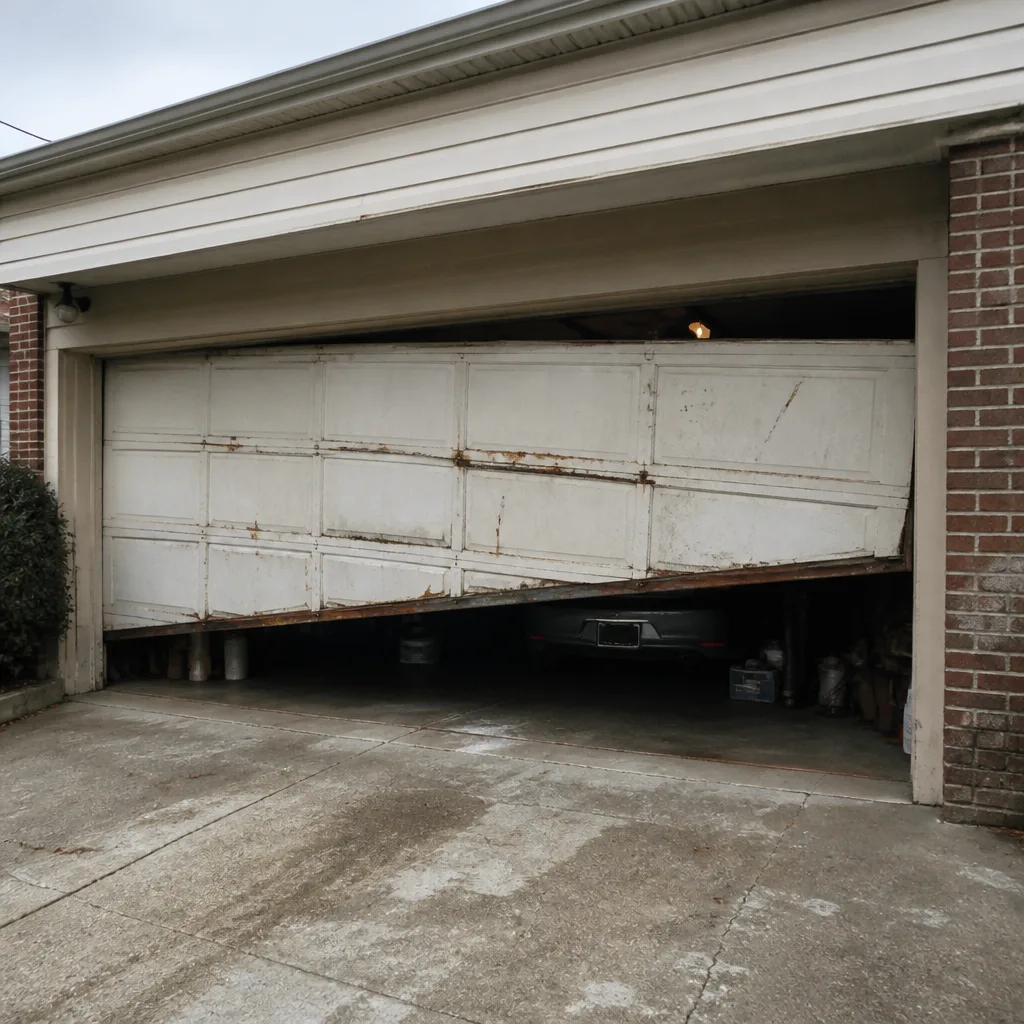 Before
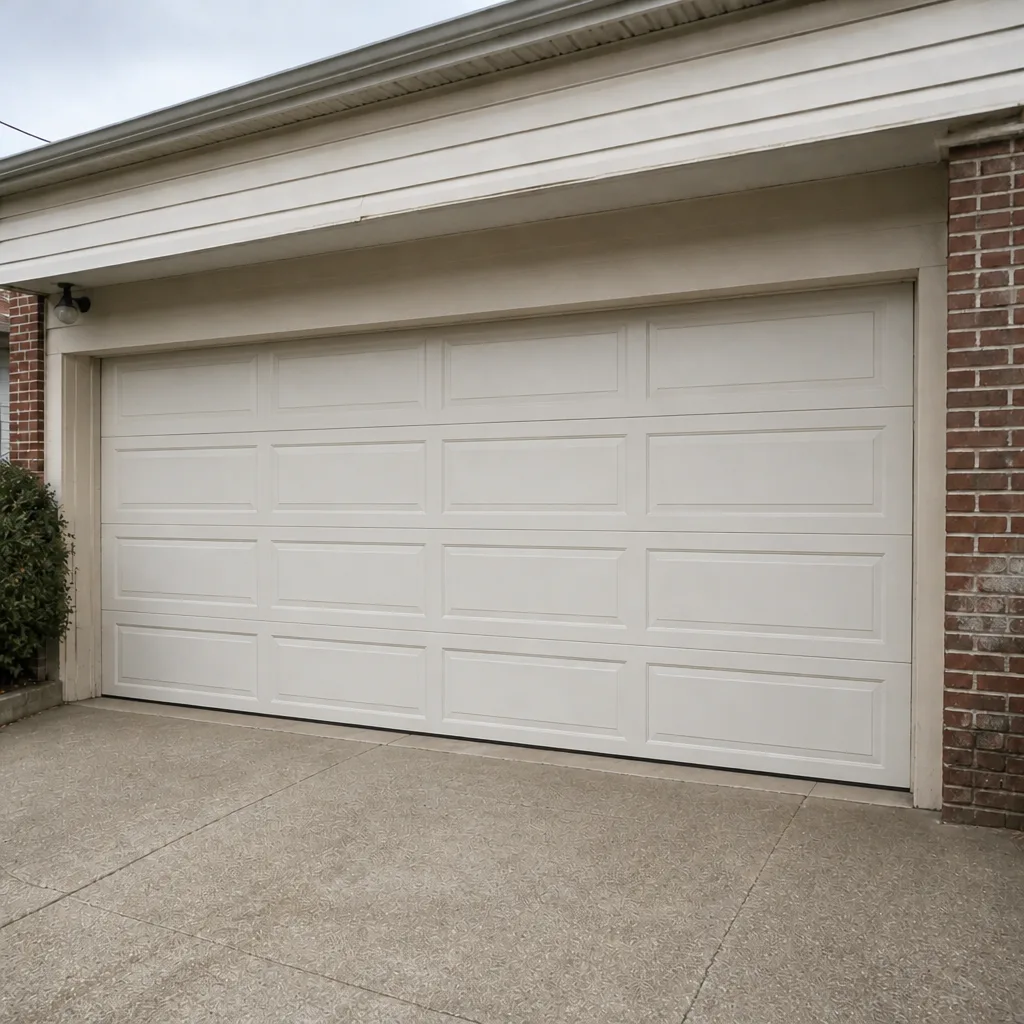 After
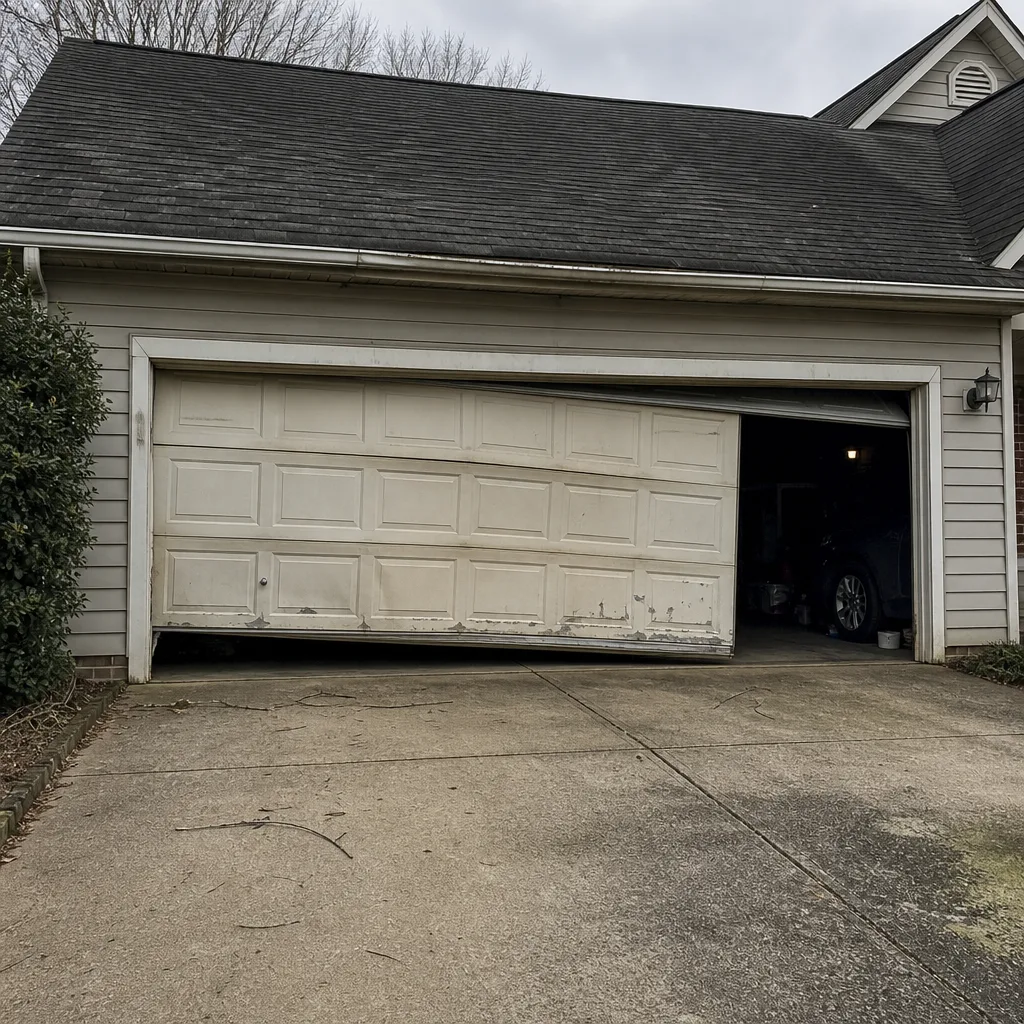 Before
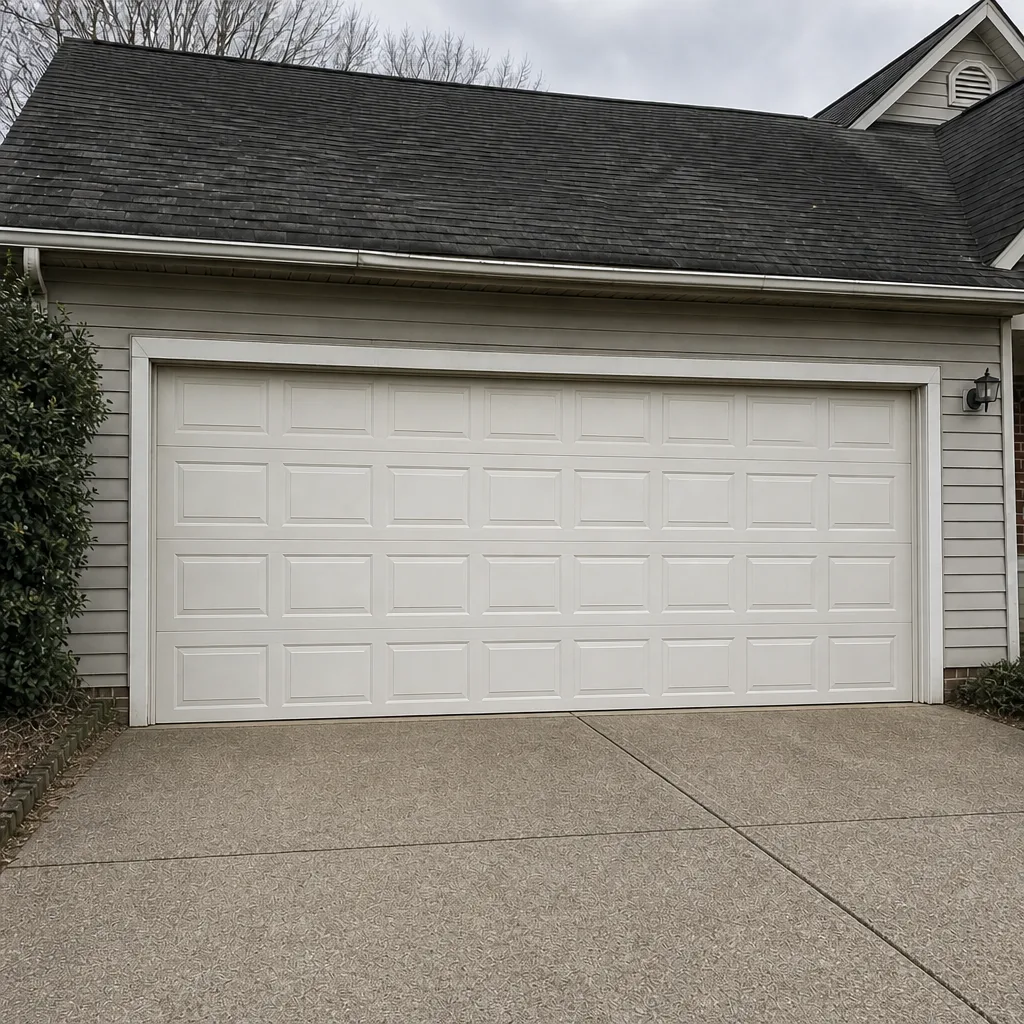 After
When to Call a Professional
Call a professional the moment any of these show up on your Richmond door: a loud pop or snap followed by a door that won’t lift; a door that reverses on the opener and won’t close fully; a gap of more than an inch on one side of the closed door; a door that drops when you try to hold it halfway; a cable that’s clearly frayed or has rust powder on it; a door with visible track misalignment; or an opener that hesitates, reverses mid-travel, or is running noticeably louder than last season. If the car is trapped or the door won’t close and lock someone out, that’s an emergency service call, not a wait-and-see. We answer 24/7. Fast dispatch from 7am to 7pm, Sunday through Friday.
Richmond Garage Door Repair Experts offers free estimates in Richmond – call (866) 490-7906. Our technicians have up to 11 years of experience with the full door system, from the opener to the panel to the spring, and we work with all the major brands including LiftMaster, Chamberlain, Genie, and Clopay.
Frequently Asked Questions
You shouldn’t. A door with a broken or failing spring is being held up by the opener and the cables, and every cycle adds stress. The safest move is to leave the door closed and call for garage door repair before operating it again.
Typical garage door repair in Richmond runs depending on the cause: a roller and hinge replacement is usually on the lower end, while a spring or cable job is more. The estimate is free, and the written estimate sets the final price. Call (866) 490-7906 for an exact quote.
Not this minute, but it’s the one warning sign in this guide that most often becomes one. A gap that grows means a spring or cable load imbalance is getting worse. Schedule the inspection before the next cold snap or heavy use.
Your opener is detecting resistance or obstruction during closing and reversing as a safety feature. The most common causes are a misaligned safety sensor, a door binding in its track, or a spring out of balance. Don’t tape the sensors to force it closed. Get it checked.
Old doesn’t mean broken. A Craftsman or Genie opener that’s running fine doesn’t need replacing for its age alone. What matters is how it behaves under load. If it’s hesitating, reversing, or running louder, garage door opener repair can restore it. If the drive is failing, replacement is the more reliable call.
Roller noise is continuous and syncs with the door’s movement, more of a scrape or squeal. Spring noise is a single loud metallic twang or pop, often at the moment the door starts to move. If you hear the second, stop operating the door and call (866) 490-7906.
The floor gap, the sound check, and the visual checks are safe. Reaching for the springs, the torsion shaft, or the cables is not. Those parts are under high tension and can hurt you if handled wrong. Leave those to a trained technician.
Not every warning sign means a new door. Most are repair items. If the door is genuinely toward the end of its service life and you’re considering replacement, it’s a measured and ordered job, so plan to schedule a free measure and a written price rather than expecting it next day. For repair, call (866) 490-7906.
If you’re considering a replacement rather than a repair, garage door installation is a measured, scheduled job with a written estimate, not a same-day repair. The same Richmond Garage Door Repair Experts team handles both, so you’re not starting over with a second vendor.
The Bottom Line
The three signals that matter most on a Richmond door are a new sound, a gap on one side, and a change in how the opener behaves. Any one of them is worth a call. Two of them showing up together is a strong signal to get the system inspected before the spring or cable gives out. The 30 to 90 day warning window is real, and it’s why the checks in this guide are worth five minutes a month. Springs are dangerous, the door is heavy, and the opener is a messenger. When any of that changes, call (866) 490-7906. We answer 24/7. Fast dispatch from 7am to 7pm, Sunday through Friday. Estimates are free, and the written estimate sets the price.
Written by the team at Richmond Garage Door Repair Experts.