
Last updated November 21, 2026
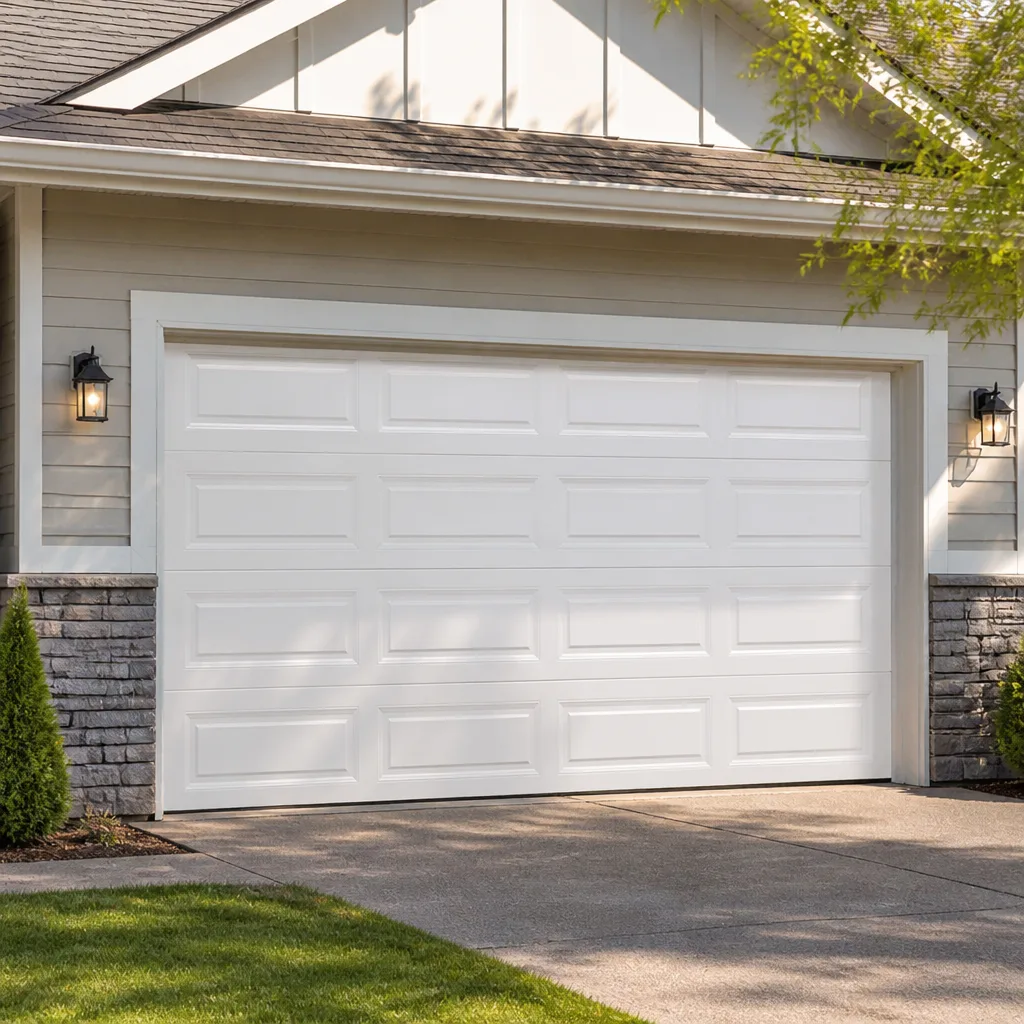 Raised-panel steel
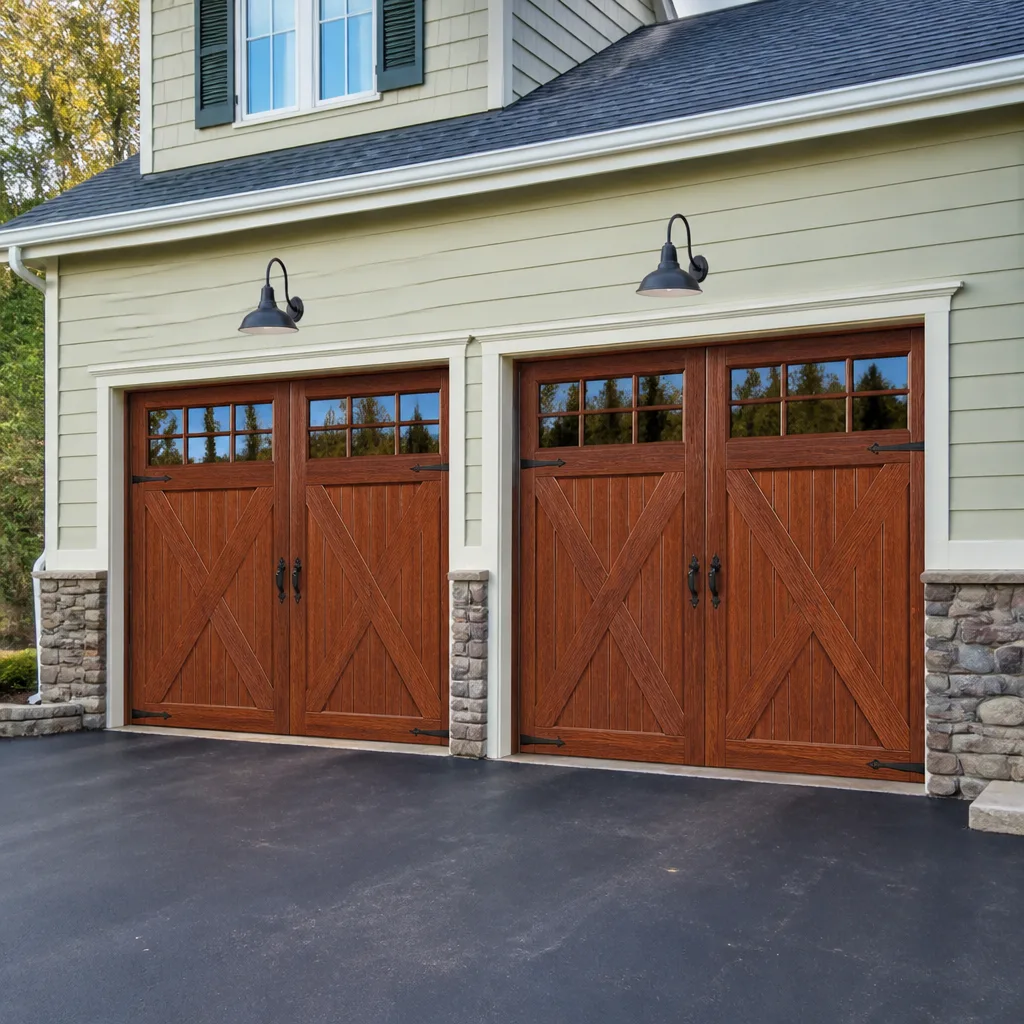 Carriage house
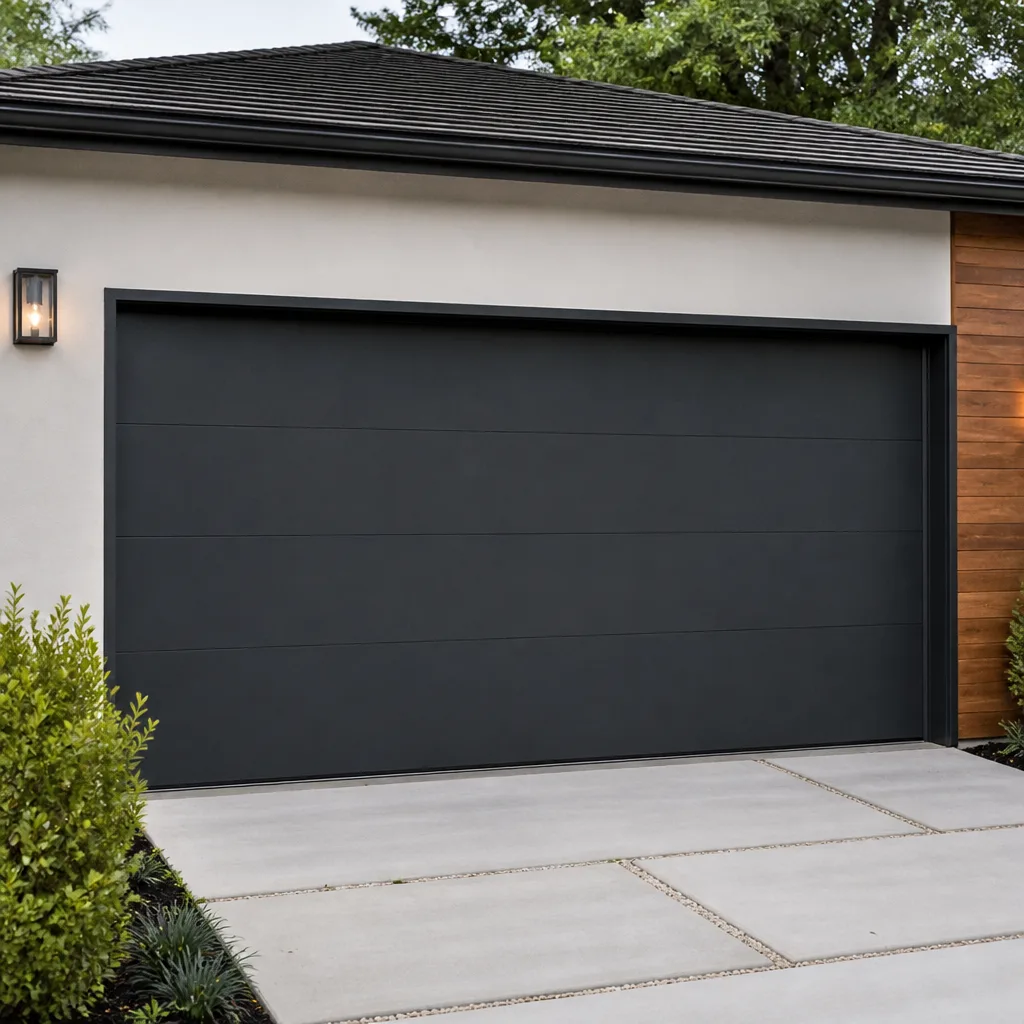 Modern flush
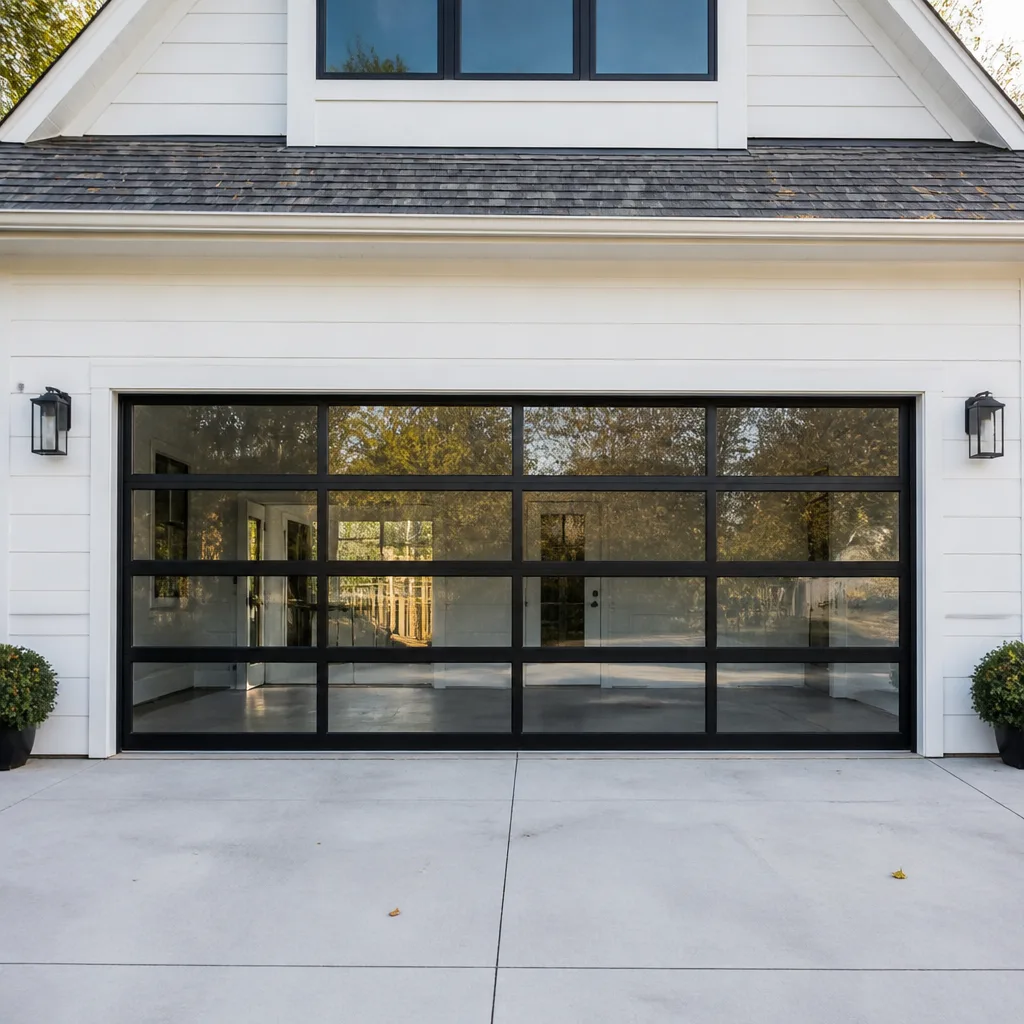 Full-view glass
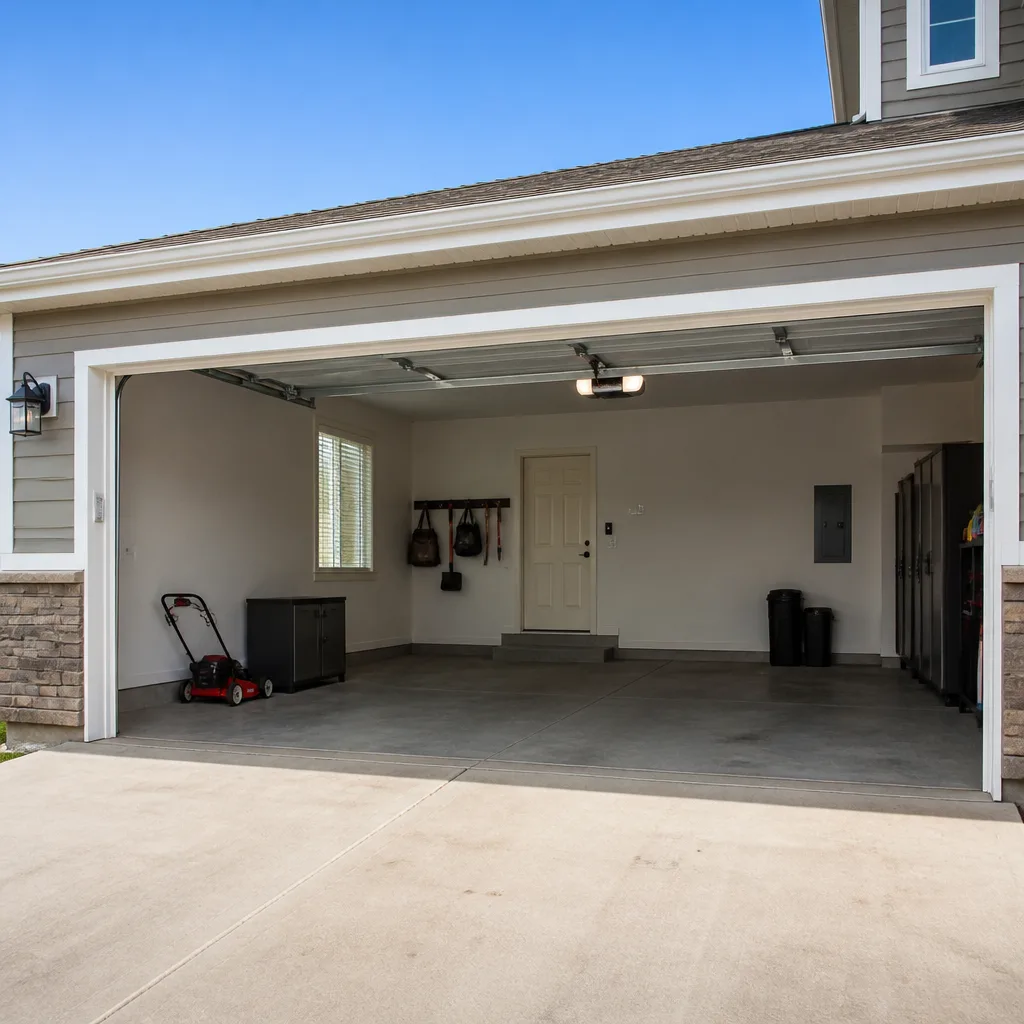 LiftMaster openers
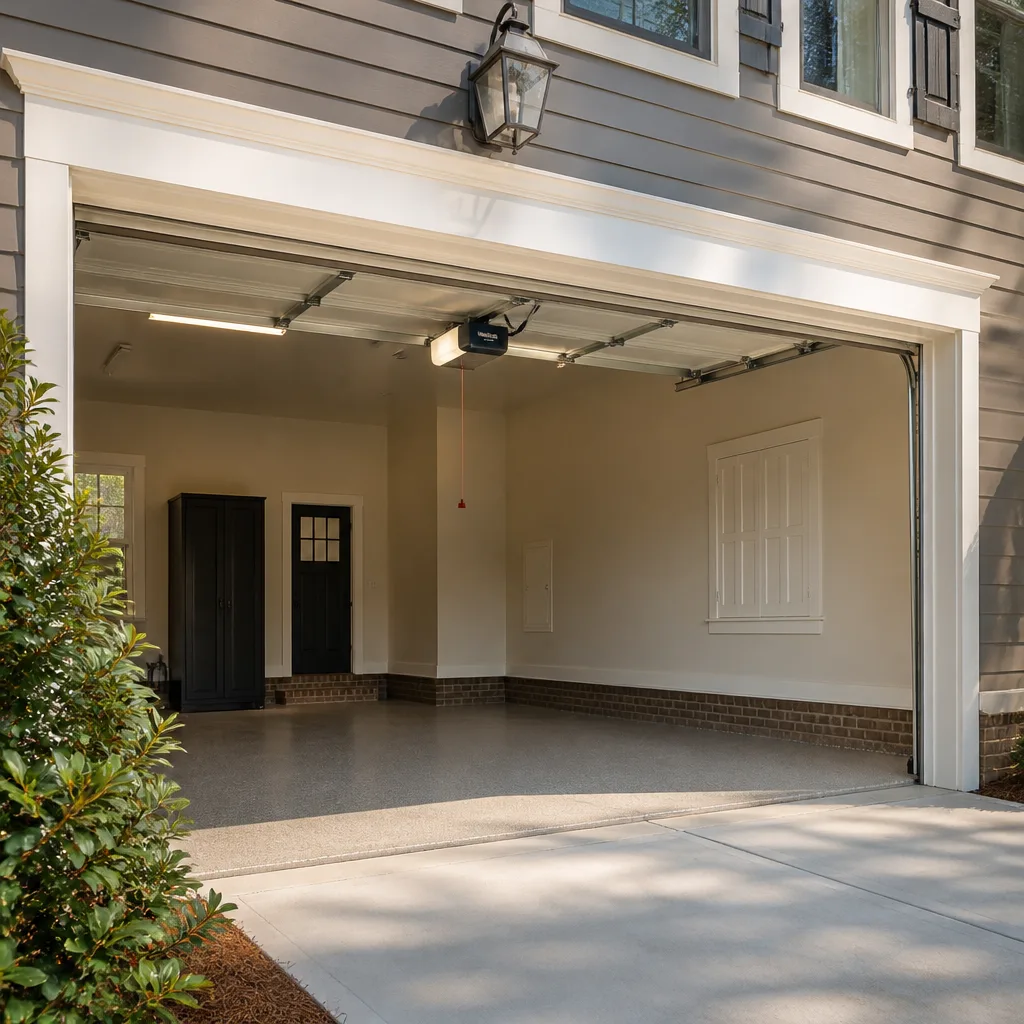 Chamberlain openers
Full 25-point door and opener safety check with every visit - springs, cables, rollers, tracks, and your LiftMaster or Chamberlain opener included
You get a price before we start. It does not change when the pro arrives.
Get your free estimateSeasonal Garage Door Care for Richmond: Year-Round Homeowner’s Guide
Most garage door advice tells you to “check things twice a year” and calls it a day. That advice doesn’t fit Richmond, because Richmond doesn’t get two mild seasons and a passing temperature change. It gets real winters, real summers, and two shoulder seasons where a 40-degree swing inside 48 hours is completely normal. Your door hardware lives through every one of those swings, and each season tends to break something different. Treating the whole year as one maintenance task is why doors fail at the worst moments. This guide breaks the year into four separate diagnostic windows and tells you what to actually look at in each.
Quick Answer
Seasonal garage door care in Richmond means checking different hardware at different times of year: springs, hinges, and fasteners after winter contraction, opener motor behavior during sustained summer heat, the bottom seal before the first freeze, and ice in the tracks during wet winter freezes. The single highest-value task is lubricating rollers and hinges before the first freeze, not after, because a door that goes into winter already dry is the one that seizes and calls for emergency service.
Styles & brands we work with
- Raised-panel steel
- Carriage house
- Modern flush
- Full-view glass
- LiftMaster openers
- Chamberlain openers
Table of Contents
- Why Richmond’s Seasons Break Doors Differently
- Spring: What to Inspect After Winter Contraction Cycles
- Summer: Heat, Opener Motors, and the “Electrical Failure” That Isn’t
- Fall: Seal and Weatherstrip Prep Before the First Freeze
- Winter: Why Wet Freezes Are Harder on Doors Than Dry Cold
- The One Task That Cuts Emergency Calls in Half
- A Month-by-Month Care Calendar for Richmond Homeowners
- Common Mistakes to Avoid
- When to Call a Professional
Why Richmond’s Seasons Break Doors Differently
Metal expands and contracts. You’ve heard that. What matters for a garage door in Richmond is the rate of change, not the absolute temperature. A door in a place with dry cold and a slow ramp into spring sees gradual movement. A Richmond door can sit at 70°F on a Tuesday and 30°F by Thursday, and the hardware doesn’t get a chance to settle between extremes.
That matters most at the fasteners. Every hinge screw, every lag bolt holding the track brackets to the jamb, every spring anchor plate is a connection between two materials that move at slightly different rates. Steel hardware in a wood jamb is the classic example: the wood holds more moisture in Richmond’s humid summers and shrinks in dry indoor-heated winters, while the steel barely changes. Over a few seasons that difference shows up as lose bolts, tracks that drift out of plumb, and hinges that rattle before the door even moves.
Richmond also has real freeze-thaw activity, but it’s the wet kind. We don’t sit below freezing for weeks. We get repeated freeze-thaw cycles with moisture present, which is a much harder environment for a garage door than steady dry cold in a colder city. More on that in the winter section.
The practical takeaway is that seasonal care in Richmond isn’t about doing more work. It’s about checking the right hardware at the right time, because the failure you’re preventing changes with the season.
Spring: What to Inspect After Winter Contraction Cycles
Spring is damage-assessment season. Winter pulled the metal tight. As temperatures climb back through March and April in Richmond, everything re-expands, and the connections that loosened quietly over the winter are the ones that show up now.
Here’s what to inspect, in order:
- Hinges and hinge screws. Check every hinge for loose screws by hand. Do not force a stripped screw back in. That’s a sign the hinge is asking for a longer fastener or a relocated hole. A hinge that lets the door sag pinches the panel edges and can crack a section.
- Track brackets and lag bolts. Look where the vertical and horizontal tracks bolt to the jamb and header. Anything visibly loose, or any gap that’s opened up between the bracket and the wood, should be addressed before it throws the door out of plumb.
- Rollers. Roll them by hand with the door fully up. They should spin smoothly with no flat spots or dry grinding. A flat-spotted roller drags on the track and loads the opener.
- Spring balance test. Disconnect the opener and lift the door halfway by hand. It should stay roughly where you leave it. If it drops or rises on its own, the spring tension is off. Do not adjust springs yourself (see the safety note below).
- Panel alignment. Stand outside and look across the door panels. Any hinge-line that doesn’t run straight is a signal to check the surrounding hardware before it gets worse.
A note on what not to inspect up close: springs and cables. High-tension torsion and extension springs store enough energy to cause serious injury, and cables under tension can snap without warning. Visual inspection from a safe distance (is anything visibly stretched, separated, or hanging loose?) is fine. Anything beyond that belongs to a trained technician.
Spring is also when we see a spike in balance complaints on Richmond doors that sat closed all winter. If a door feels heavier than you remember from last fall, get it looked at before the cycle count builds up.
Summer: Heat, Opener Motors, and the “Electrical Failure” That Isn’t
Every summer in Richmond we get calls describing a garage door opener that “just stopped working.” The opener didn’t fail electrically. It hit a thermal cutoff, and the homeowner misread the symptom.
Garage door opener motors are rated for a duty cycle, not a fixed temperature. When a Richmond garage sits at 95°F inside for a sustained stretch, and the opener runs a few cycles close together, the motor’s thermal protector trips to keep the windings from overheating. The symptom looks like a dead opener: the wall button does nothing, the remote does nothing, the light may or may not come on. Then, an hour or two later, the opener works fine.
What to check before you assume the opener is dead:
- Does the opener have power at the outlet? Test with a lamp.
- Does the wall control respond but the remote doesn’t? That points to remote or receiver, not the motor.
- Did the failure happen after several back-to-back cycles? That points to thermal cutoff.
- Is the door itself binding? An opener fighting a stiff door will trip its protector faster in the heat.
The real fix is reducing the load on the motor, not replacing it. A dry roller, a binding hinge, or an unbalanced door all make the opener work harder and trip sooner. LiftMaster and Chamberlain units with smart diagnostics will sometimes report the thermal event; older Craftsman and Genie systems generally won’t. That’s one reason we keep both the legacy and connected opener ecosystems in scope. If a summer complaint turns out to be a genuinely failing motor or a bad logic board, our garage door opener repair service covers diagnostics and repair on both.
Summer is also when bottom seals crack from UV exposure and heat cycling. Check yours at the start of the season rather than the end; a seal that cracks in July also lets water into the door’s bottom edge during fall storms.
Fall: Seal and Weatherstrip Prep Before the First Freeze
Fall is the highest-leverage season for garage door care in Richmond, and it’s the one most homeowners skip. The point of fall prep isn’t aesthetics. It’s preparing the door’s weather envelope and its moving parts before the ground starts moving.
Richmond sits on clay soil, especially through the older neighborhoods and the Fan, Museum District, and Church Hill areas, and clay is a shape-shifter with moisture. Wet fall, then a freeze, then a thaw, and the ground at the garage’s threshold can shift enough to open small gaps. If your bottom seal is already compressed or cracked going into that cycle, the gaps grow instead of closing.
The fall sequence, in order:
- Inspect the bottom seal. Run a hand along the full length. Cracks, compression, and hard spots from the previous summer’s heat are candidates for replacement before they matter.
- Check the seal against the floor. With the door closed, slide a piece of paper under the seal at several points. If it slides through easily in more than one spot, the seal is not seating. At Richmond’s wet-freeze thresholds, a seal that lets air in also lets moisture in.
- Inspect side and top weatherstrip. Look for gaps, splits, and any spot where the weatherstrip has pulled away from the jamb. This is also a security check, not just a moisture one.
- Lubricate now, not later. Visit every hinge, roller stem, and bearing plate with a garage-door-appropriate lubricant. This is the task described in detail below; doing it in October rather than January is the whole point.
- Clear the tracks of debris. Fall leaves and grit in the track become grinding paste once they mix with lubricant. Wipe out the track channels before you lubricate the hardware.
Fall is also a reasonable time to plan for the door itself if the panels are showing age. Our garage door repair page covers panel, hinge, and track work; if the door is coming to the end of its service life, the seasonal prep conversation naturally turns into an installation conversation. Either way, the fall is a calmer time to get that work done than the middle of a January failure.
Winter: Why Wet Freezes Are Harder on Doors Than Dry Cold
You might assume a garage door in Minneapolis has a harder winter than a garage door in Richmond. In one way, it doesn’t. Steady dry cold is actually gentle on hardware. Wet freezes are not.
Richmond gets freeze-thaw cycles where moisture is present at the door on both sides. A garage door in winter sits against an exterior environment that goes from 40°F and wet to 25°F and iced, then back up, sometimes twice in a week. Three things happen that dry climates don’t see:
- Ice in the track channels. Melting snow and rain at the door’s threshold refreeze in the angled track channels, and then the door tries to roll through them. This is the single most common winter failure on Richmond doors: the door goes down and comes right back up, or stops partway.
- Ice on the bottom seal. A wet seal that freezes to the floor will destroy its own hinge geometry the moment the opener lifts it. This is where the fall seal inspection pays off.
- Condensation on interior hardware. Warm humid air from the house meets cold metal at the door’s interior face and condenses. Overnight, that moisture freezes on tracks and springs. A lubricated hinge sheds it. A dry one holds it.
Winter is also when contraction is furthest along, so a track that’s marginally out of plumb in October can be visibly misaligned in January. Don’t “help” a stuck door by forcing it. The opener and the door panels take damage that’s more expensive than the stuck condition itself.
If the door won’t open at 7 a.m. or won’t close at night, that’s an access and security problem, not a scheduling problem. Emergency service is what we do. We answer 24/7. Fast dispatch from 7am to 7pm, Sunday through Friday. We’re closed on Saturday, so a Saturday failure gets booked into Sunday’s opening.
The One Task That Cuts Emergency Calls in Half
Of all the seasonal tasks on this list, lubricating rollers and hinges before the first freeze is the one that most reliably prevents emergency calls. We’re not exaggerating. A door that enters winter with dry, contaminated moving parts seizes when the first freeze hits; a door that enters winter properly lubricated moves through that freeze the way it moved in October.
The task itself is quick and doesn’t require the springs, cables, or the opener.
- Close the door. Lubricate with the door down, not up. Hardware is visible and reachable this way.
- Wipe the tracks clean. No lubricant in the tracks. Clean the channels with a rag, and clear out any grit or leaf debris.
- Lubricate every hinge. One light application per hinge pivot point. Don’t drown them; excess lubricant attracts grit.
- Lubricate every roller stem. The bearing area of each roller, not the roller face. Do not touch the track surface with lubricant.
- Lubricate the spring bearing plates and the opener rail. A garage-door-appropriate lubricant on the torsion bar bearing plates and the opener rail. Skip the springs themselves; a trained technician handles spring lubrication during service.
- Cycle the door twice. Run it up and down twice with the opener after lubricating to spread the product evenly.
Timing matters. Do this in October, once the summer humidity is gone and before the first freeze. Doing it in January after the door is already stiff is work that’s half wasted; the failure the lubricant is meant to prevent has already had a window to happen. On a Craftman or older LiftMaster door, this is often the difference between a quiet winter and a January service call.
That single task, done once in the fall, is worth more than a dozen “check the door” reminders.
A Month-by-Month Care Calendar for Richmond Homeowners
Here’s the year in one place. Adjust for the specific weather in a given year, but the sequencing is sound.
- March. Post-winter inspection: hinges, track brackets, panel alignment, spring balance test.
- April. Tighten or replace loose fasteners identified in the March inspection. Roller condition check.
- May. Inspect bottom seal and weatherstrip for summer heat damage. Clean the tracks.
- June. Watch for the first thermal-cutoff symptoms on the opener. Reduce cycle load where possible.
- July. Check the opener’s mechanical behavior against the heat narrative; if symptoms persist through cooler mornings, it’s the opener, not the heat.
- August. Full seal inspection, and a visual check of panels for UV damage and heat warping.
- September. The main fall prep: bottom seal inspection and replacement decision, weatherstrip check, track cleaning.
- October. The critical lubrication task. Hinges, roller stems, bearing plates, opener rail. Not after the first freeze.
- November. Door re-balance check, and a final track alignment look before freeze-thaw cycles become routine.
- December through February. Watch for ice in tracks, seal freezing to the floor, and condensation on interior hardware. If the door misbehaves, don’t force it.
One thing that’s common in Richmond: doors that were installed by a big-box crew and never revisited. Those doors are usually Clopay or Amarr units, well-made, but they went into a hinge-and-roller maintenance schedule that the original installer doesn’t come back for. Seasonal care on those doors usually catches up faster than the homeowner expects.
Common Mistakes to Avoid
- Lubricating the tracks. Lubricant in the track channels turns into grit paste in weeks. The track is meant to be clean and dry; the rollers and hinges are the parts that get lubricant.
- Waiting until the door is already stiff to lubricate it. Richmond’s first freeze is when doors start to complain, but that’s the wrong season to work on the door. The lubrication belongs in the fall, before the freeze, so the door has lubricant when it needs it.
- Treating a summer opener “failure” as an electrical failure. Thermal cutoffs are the most common opener issue in Richmond heat, and they look identical to a dead motor from outside. Rule out thermal cutoff before you replace anything.
- Adjusting springs yourself. Torsion and extension springs store energy that can cause serious injury. A spring out of balance is a service call, not a homeowner project, and no amount of online video changes that.
- Forcing a stuck door in winter. A door jammed by ice in the track is already stressed; forcing it damages opener drive gears, stretches the cables, and can snap sections. Clear the ice, or call.
- Skipping the fall bottom-seal inspection because “it’s just rubber.” The seal is the door’s water envelope against Richmond’s clay-soil movement and wet freeze-thaw cycles. It’s the first line of defense and the cheapest thing on the door to replace.
- Doing a “twice a year” checklist and calling it done. The whole point of the seasonal approach is that different seasons break different things. One generic inspection misses both the summer opener issue and the fall seal prep.
When to Call a Professional
Call us when the task crosses from inspection into the door’s high-tension hardware. Specific situations that warrant a professional: any broken or visibly stretched spring, a door that is unbalanced by the halfway lift test, a cable that has slacked or snapped, a door that won’t move cleanly through its tracks without binding, a hinge that has cracked or pulled out of the panel it fits into, and any opener that fails intermittently after ruling out remote, wall control, and thermal cutoff. Any time a door won’t close and you’re leaving the house unsecured, that’s also professional territory, because a door that’s been forced open or left open is a security problem, not a maintenance item.
Our technicians have up to 11 years of experience across the eight major brands installed on Richmond homes, and we work on the door and the opener as one system: LiftMaster, Chamberlain, Genie, Craftsman, Clopay, Amarr, Wayne Dalton, and Raynor. Richmond Garage Door Repair Experts offers free estimates in Richmond. Call (866) 490-7906. We answer 24/7. Fast dispatch from 7am to 7pm, Sunday through Friday.
If you’re looking for a single specialist who handles the door from the opener to the panel to the spring, that’s exactly what we do, and our main page as Richmond Garage Door Repair Experts has the full picture.
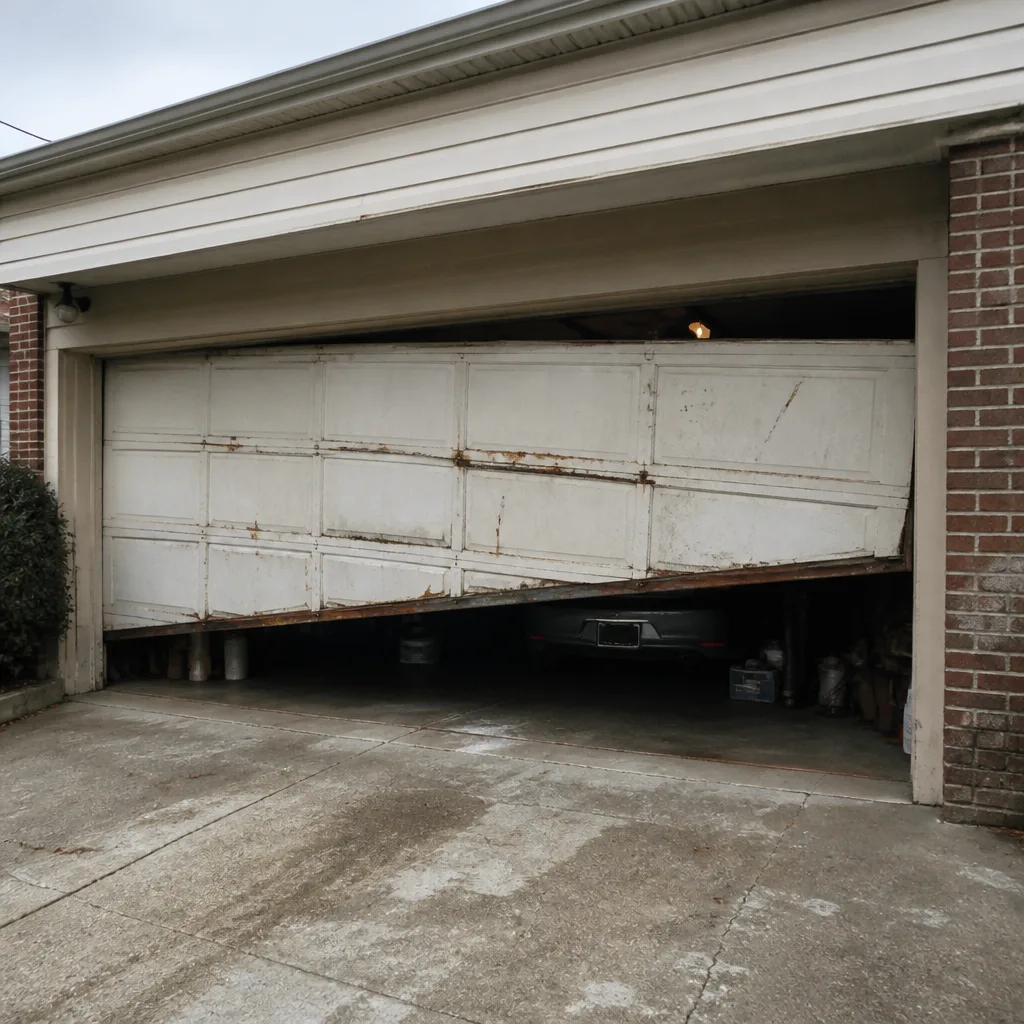
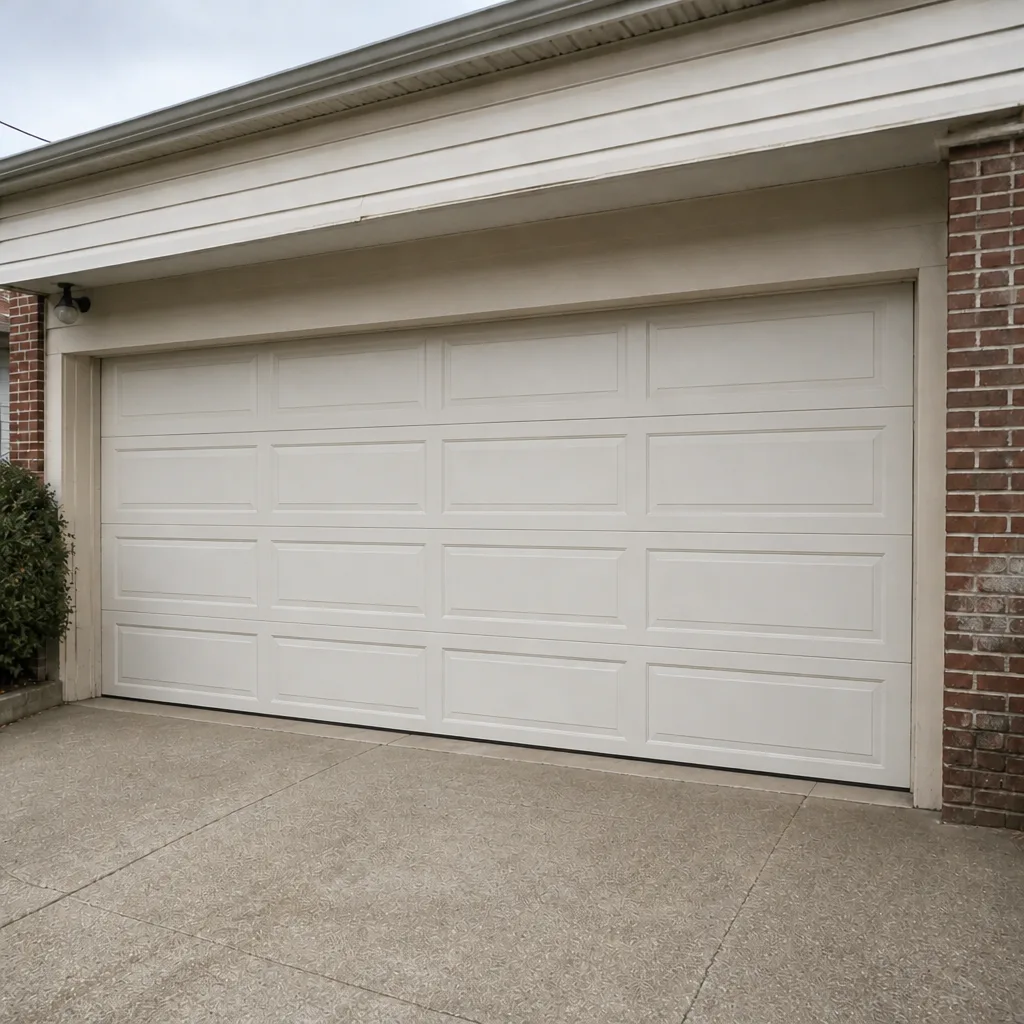
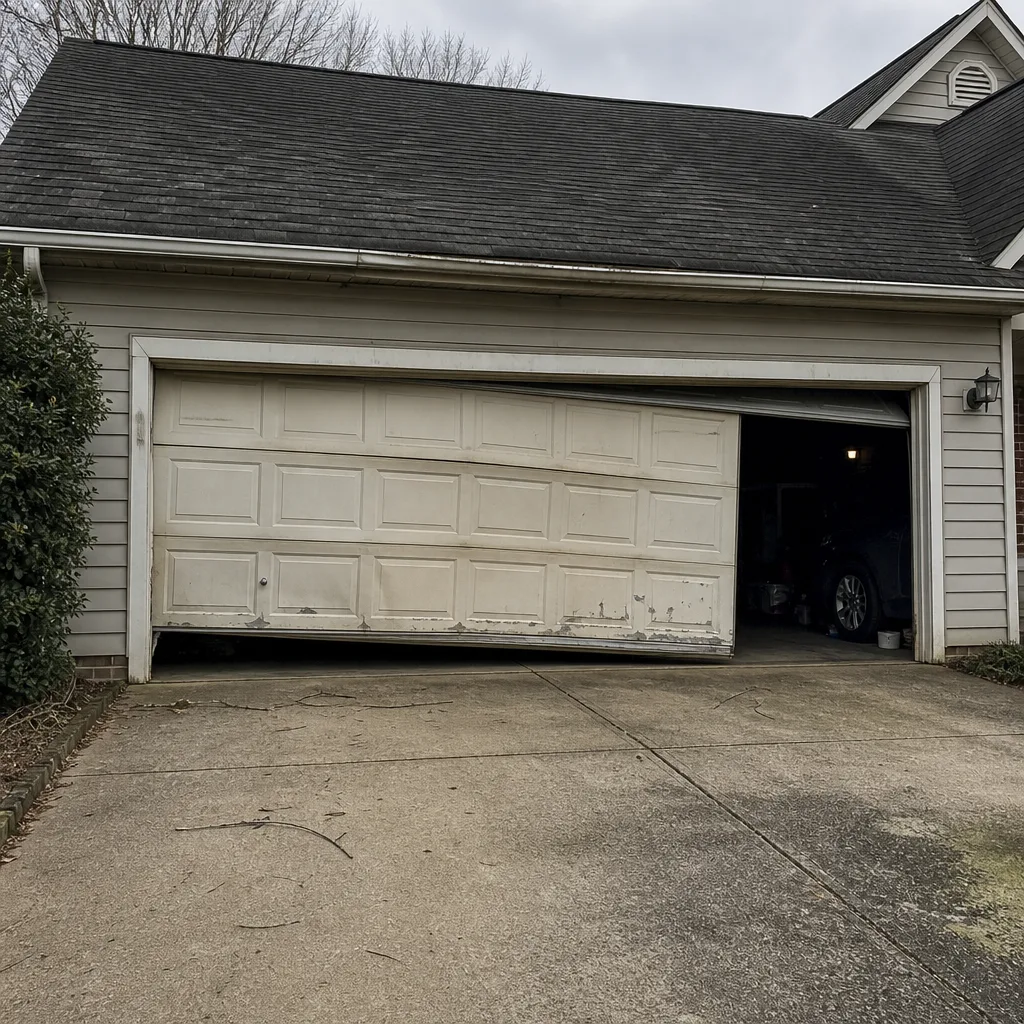
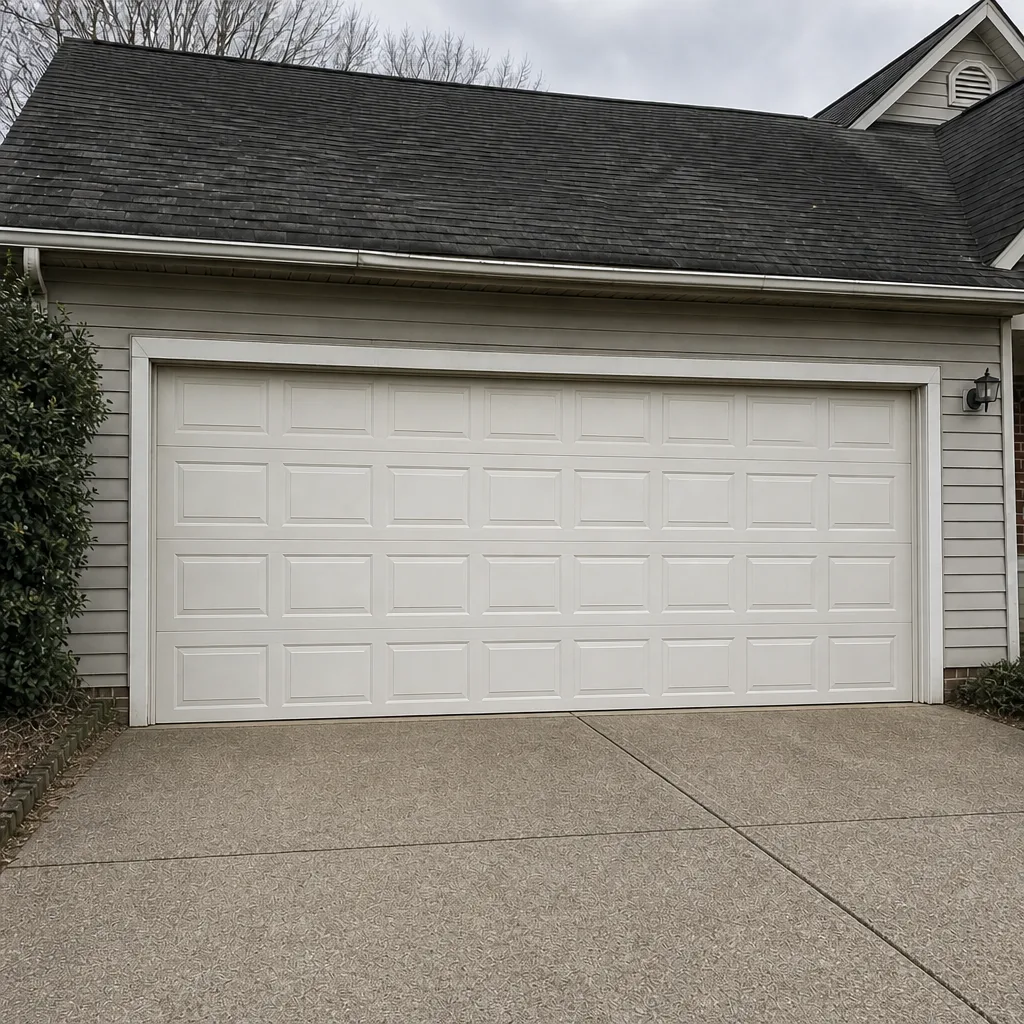
See the difference
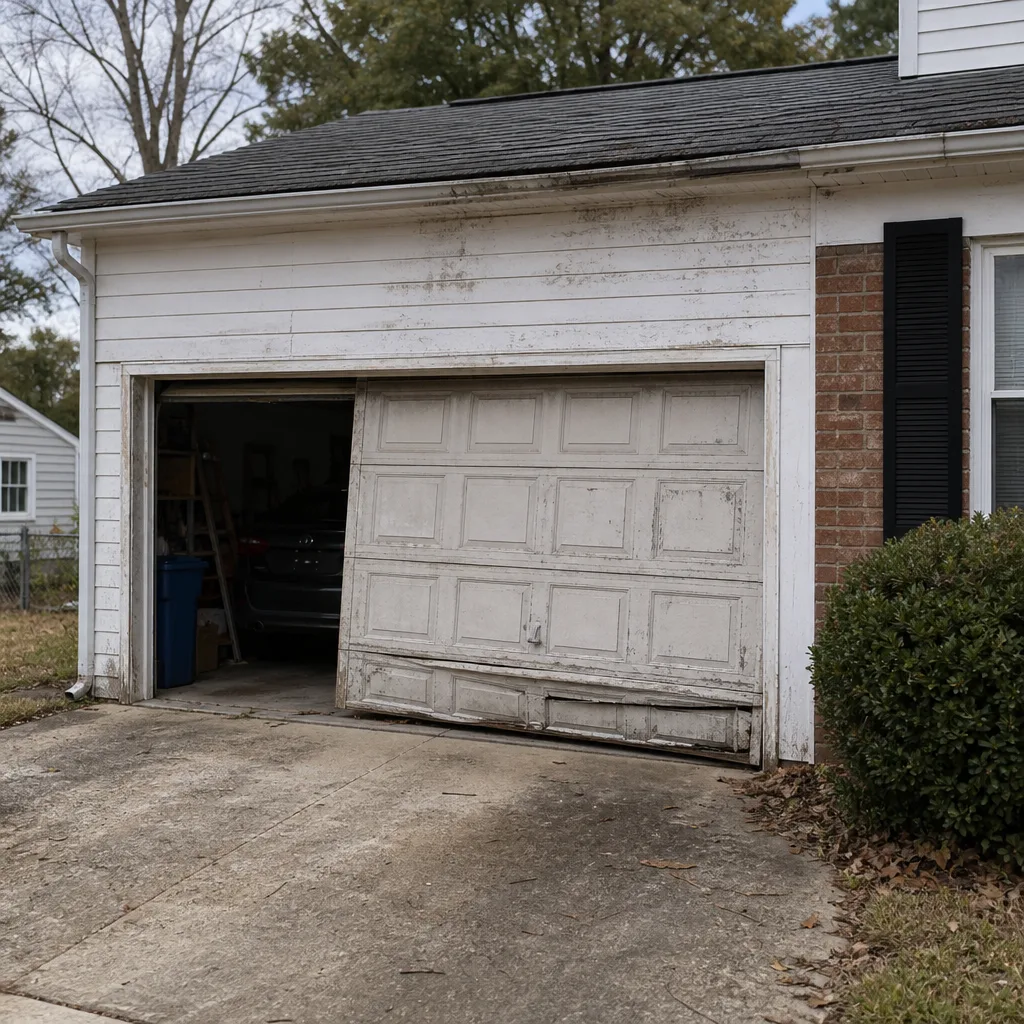 Before
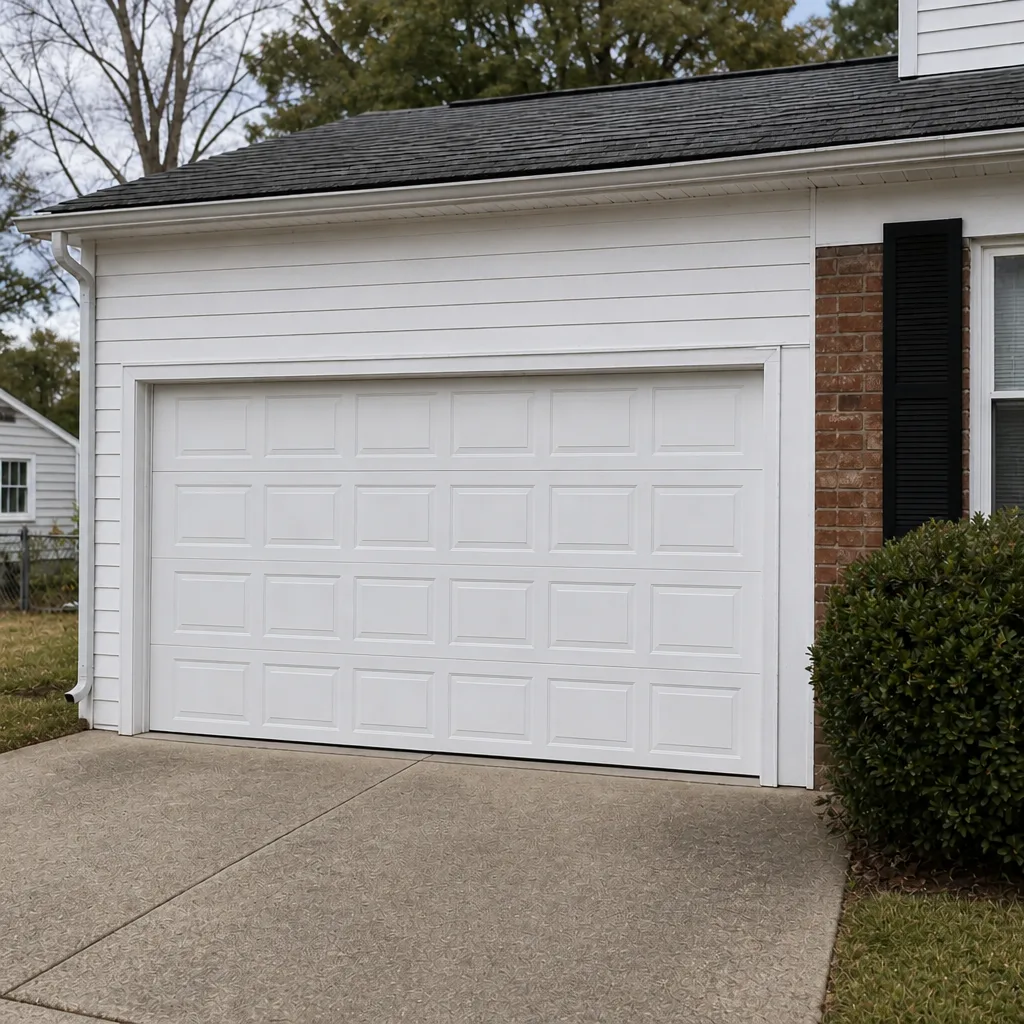 After
 Before
 After
 Before
 After
Frequently Asked Questions
Lubricating rollers, hinges, and bearing plates in the fall, before the first freeze. That one task prevents the most emergency calls because dry hardware seizes during Richmond’s wet freeze-thaw cycles. Do it in October, not in January after the door is already stiff.
It’s almost certainly a thermal cutoff, not an electrical failure. Richmond’s sustained summer heat in a garage can push the opener motor past its thermal limit after several back-to-back cycles, and the protector trips to protect the motor. The symptom looks like a dead opener, but if it works again an hour later, the motor and its electronics are fine and the fix is reducing the load on the door.
Richmond gets wet freezes with repeated freeze-thaw cycles and moisture present, while a colder city’s dry steady cold is actually gentler on hardware. The wet version refreezes in the track channels and between the bottom seal and the floor. That’s where doors fail here, more than from simple cold contraction.
For many doors, yes; the bottom seal is one of the parts a homeowner can inspect and, on some doors, replace without touching the springs or cables. The tricky part is matching the profile to the door panel and making sure the new seal sits properly against the floor. If the seal has failed because the door’s track or bottom panel is misaligned, the seal is a symptom; call us and we’ll diagnose the alignment. Call (866) 490-7906; estimates are free.
The opener’s safety sensors are detecting an obstruction, and in winter the usual cause in Richmond is ice in the track or on the bottom seal. The door reverses because it can’t complete the close. Clear the ice and cycle the door, and if it still reverses with a clear track, the sensors or their alignment is the next thing to check.
The local pro who comes to your door is licensed and insured as the state requires, and we can work with your insurer on covered damage. To book a visit, call (866) 490-7906; the price is quoted and agreed before any work starts, so you’ll know the number before the technician touches the door. We answer 24/7. Fast dispatch from 7am to 7pm, Sunday through Friday. A call outside dispatch hours is booked into the next opening.
The Bottom Line
Richmond’s seasons each break something different on a garage door, and treating the year as one maintenance task means missing the failure that’s coming. Spring is a post-winter inspection of hinges, fasteners, and balance. Summer is about heat and the thermal cutoff that masquerades as a dead opener. Fall is the seal and weatherstrip prep before the ground starts moving. Winter is wet freezes in the track and condensation on the hardware. The task that ties it all together is fall lubrication, done before the first freeze, because it’s the one step that quietly prevents the January emergency call. Do that, keep the tracks clean, and your Richmond door has a much better year.
If anything on this checklist turns into a spring, cable, or alignment issue, don’t take it on yourself. Call (866) 490-7906 for a free estimate. At Richmond Garage Door Repair Experts, garage doors are all we do, and we can get your door back up and running today.
Written by the team at Richmond Garage Door Repair Experts.