
Last updated November 21, 2026
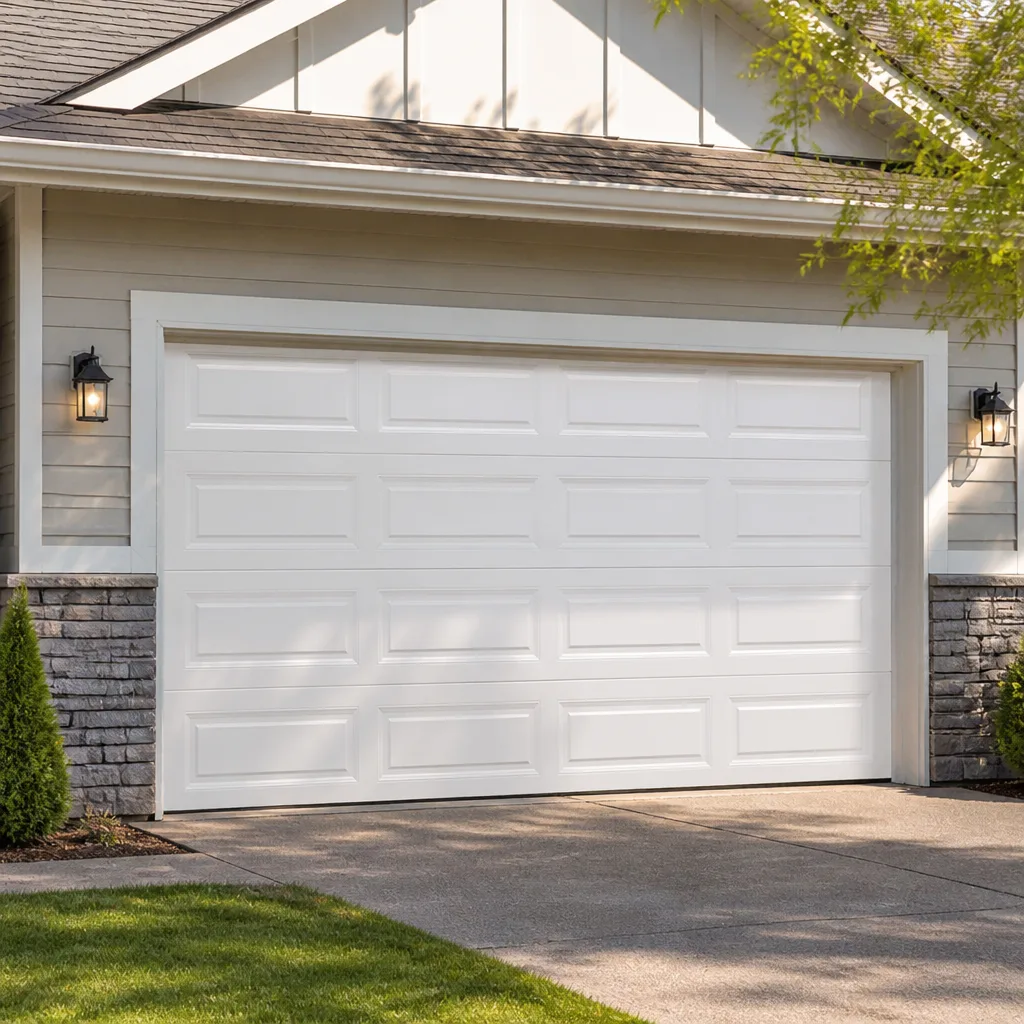 Raised-panel steel
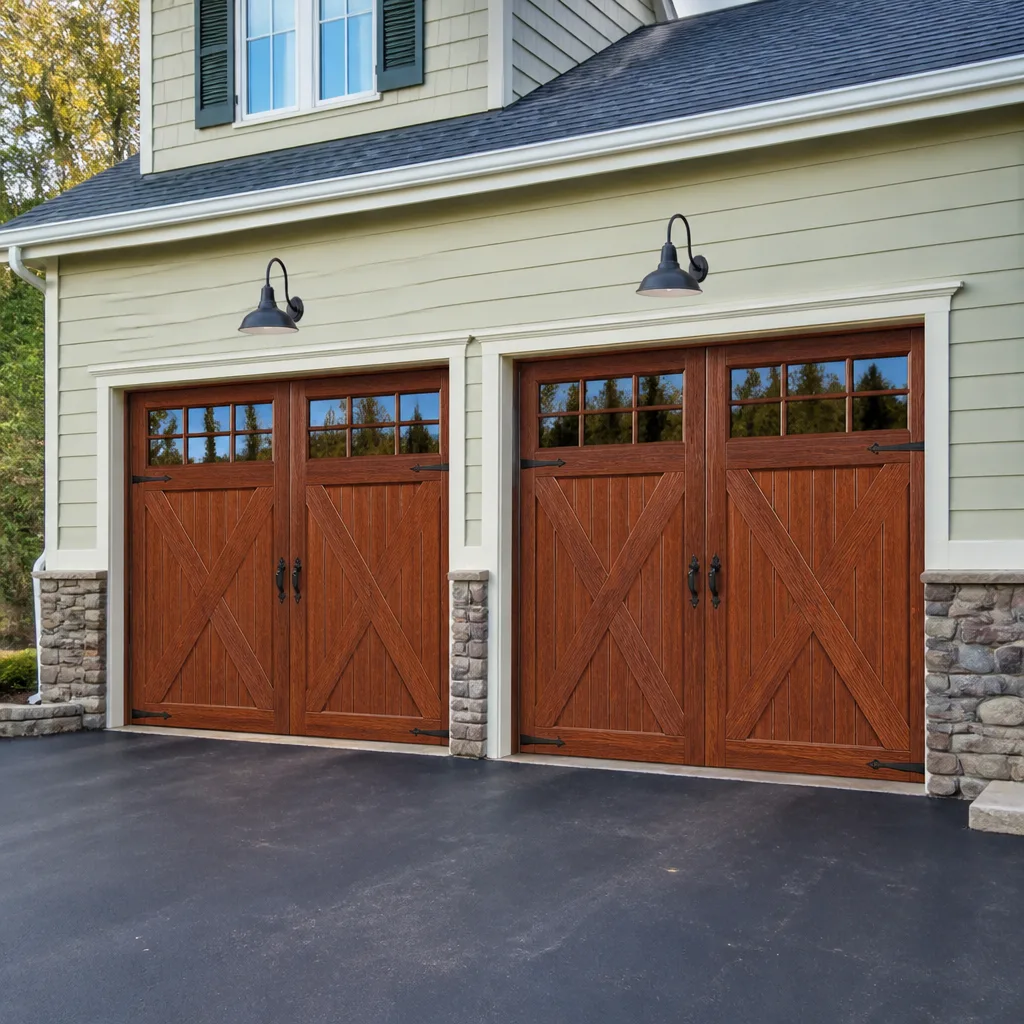 Carriage house
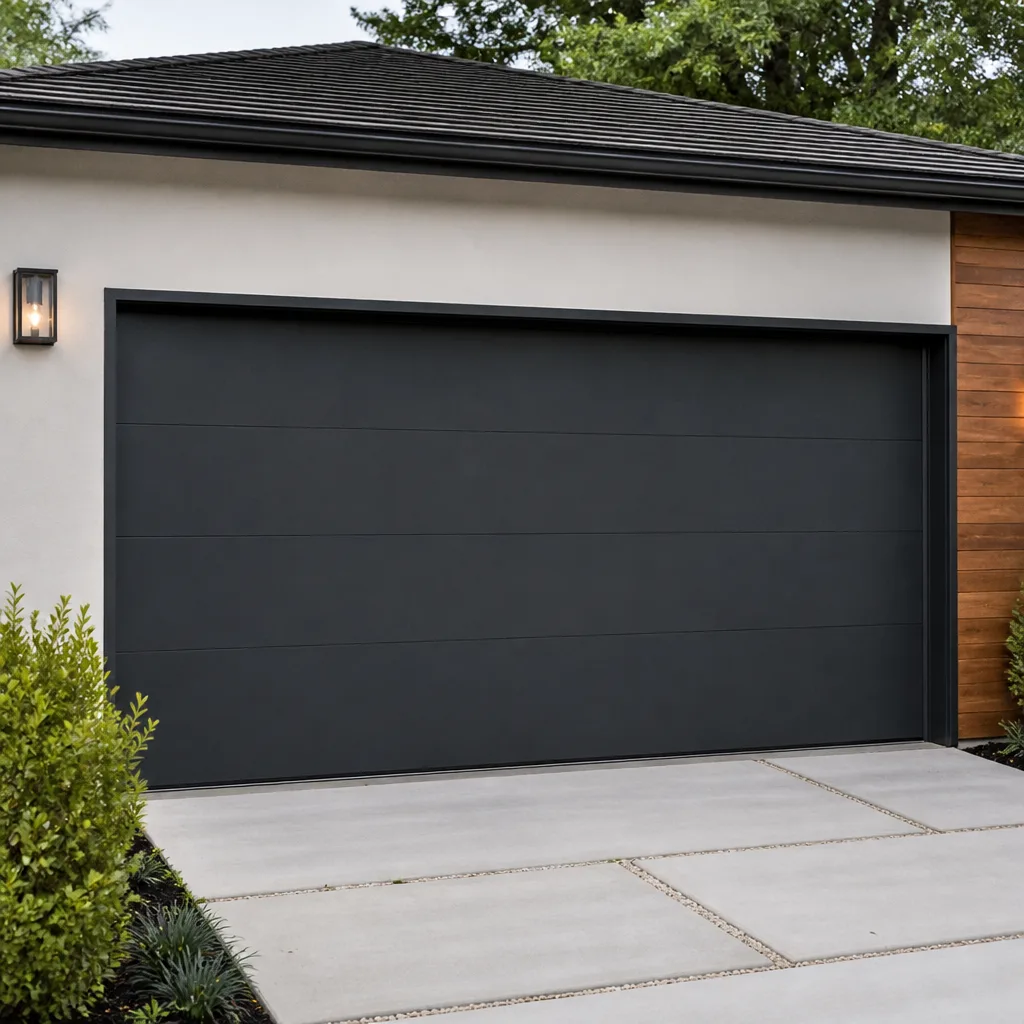 Modern flush
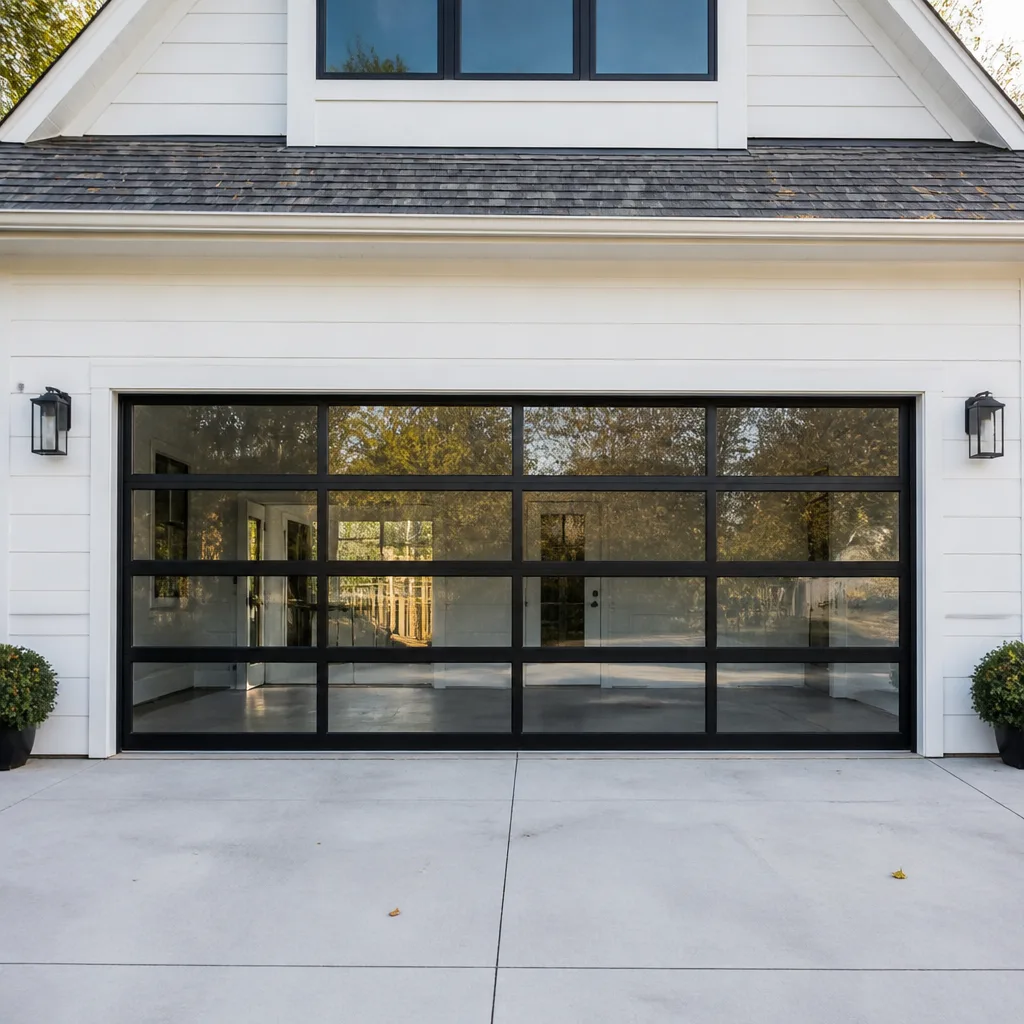 Full-view glass
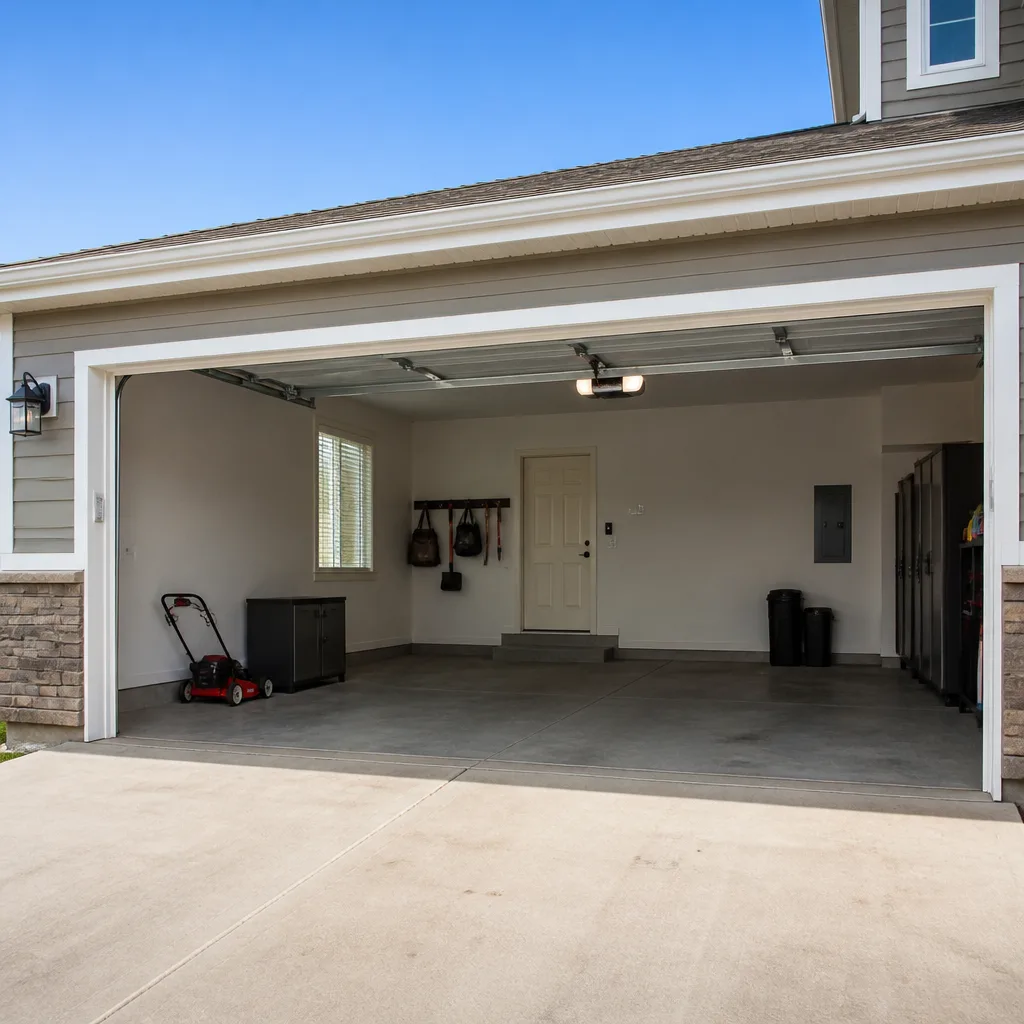 LiftMaster openers
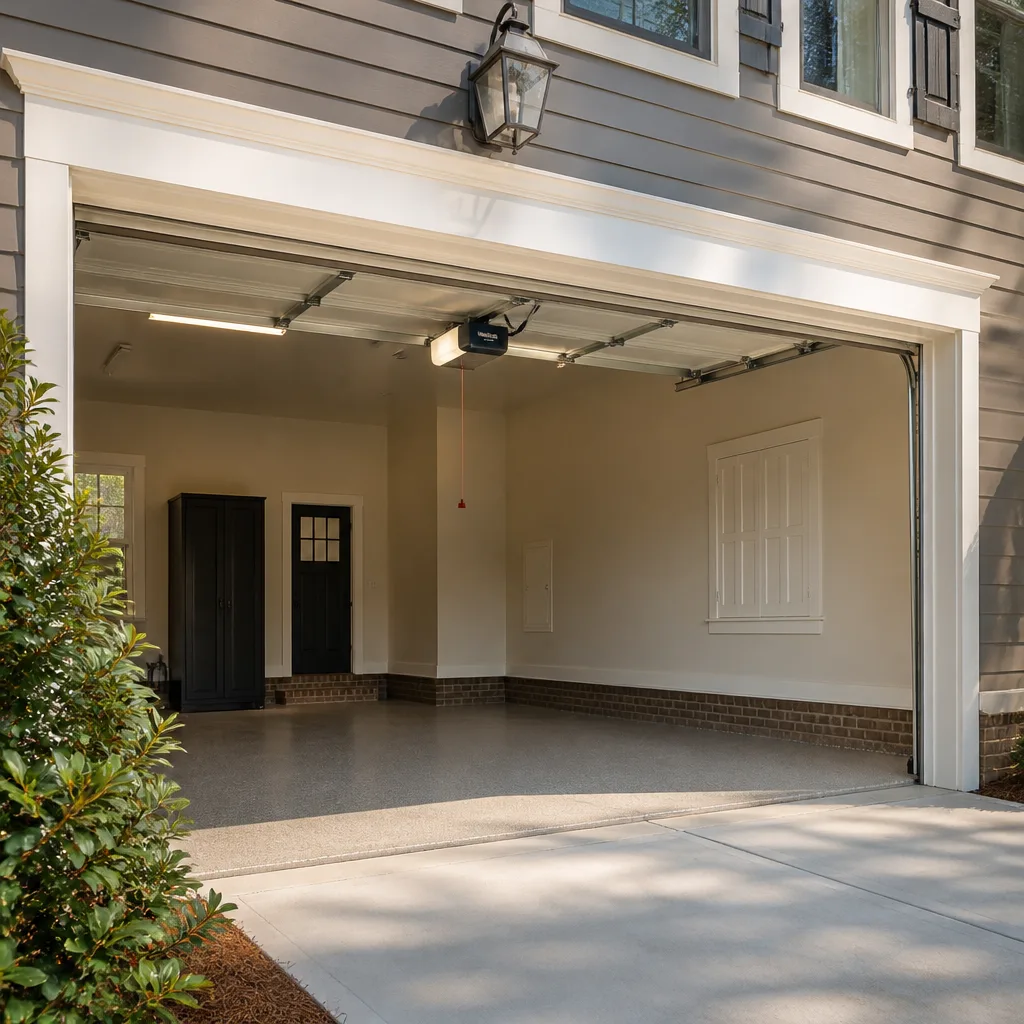 Chamberlain openers
Full 25-point door and opener safety check with every visit - springs, cables, rollers, tracks, and your LiftMaster or Chamberlain opener included
You get a price before we start. It does not change when the pro arrives.
Get your free estimateGarage Door Repair Maintenance Checklist for Richmond Homeowners
The call we get most often as the weather turns isn’t about a snapped spring. It’s about a door that ran perfectly through July and August and now won’t sit flush against the floor, letting in a strip of cold air and a thin line of daylight. Homeowners assume something major has failed. Usually it’s the bottom seal, worn thin by a summer of heat and sun, and it was failing for weeks before anyone noticed. This guide walks through the maintenance sequence that actually fits Richmond doors, built around how humidity, red clay dust, and steady temperature swings wear a system down. You’ll get a month-by-month plan you can follow yourself and clear signals for when to stop and call.
Quick Answer
A working maintenance checklist for a Richmond garage door covers five things: lubricating moving metal parts every three to four months instead of once a year, clearing red clay dust from the track channels, inspecting and replacing the bottom seal before UV damage makes it brittle, checking torsion springs for signs of temperature-cycle fatigue, and recalibrating opener sensitivity after each hot summer. Most of this takes under twenty minutes and prevents the majority of mid-season breakdowns.
Styles & brands we work with
- Raised-panel steel
- Carriage house
- Modern flush
- Full-view glass
- LiftMaster openers
- Chamberlain openers
Table of Contents
- Why Richmond Doors Wear Differently
- The Lubrication Schedule Richmond’s Humidity Demands
- Red Clay Dust and Your Tracks
- Bottom Seal Replacement Timeline
- Reading Torsion Springs in a Swinging Climate
- Opener Sensitivity Drift After Summer Heat
- The Safety Check You Should Never Skip
- A Month-by-Month Richmond Maintenance Calendar
Why Richmond Doors Wear Differently
Richmond sits in a climate that punishes garage door hardware in a specific order. Summers run humid, with dew points that stay high enough for long enough that condensation forms on cold metal in a garage that isn’t air-conditioned. Then fall arrives, the humidity drops, and everything that swelled over the summer contracts. Winter brings hard freezes followed by mild days, sometimes in the same week. A torsion spring in Richmond doesn’t just cycle with every open and close. It also expands and contracts with the air temperature, and that thermal cycling adds stress that a door in a steadier climate never sees.
The soil matters too. Richmond’s red clay is famous locally, and when it dries it turns to a fine dust that finds its way into garages through gaps around doors and vents. That dust settles in the track channels and mixes with whatever lubricant is already there. The result is a gritty paste that accelerates roller wear far faster than clean lubricant would. Most generic maintenance guides, which are written for a national audience, skip both of these factors entirely. They tell you to lubricate once a year and sweep the tracks “occasionally,” which is not enough here. That’s the gap this checklist fills.
We’ve worked on doors across the region, from the older homes near the Fan District to newer construction out in Short Pump, and the wear patterns line up with the neighborhood’s tree cover and garage orientation as much as with the door’s age. A west-facing garage door in Glen Allen bakes in afternoon sun and its seal degrades first. A door under heavy shade in Bon Air stays damp longer and shows rust on the hinges sooner. Neither is a defect in the door. It’s the local environment doing what it does.
The Lubrication Schedule Richmond’s Humidity Demands
Lubricate the moving metal parts of your garage door every three to four months, not once a year. Standard advice says annual lubrication is enough, but that assumes a dry climate. In Richmond, high summer humidity pulls moisture onto bare metal and thins out lubricant, and the joints that should glide begin to bind. By the time a hinge squeals, it’s already been grinding for weeks.
Here’s what to lubricate and what to leave alone:
- Hinges: a drop of garage-door-specific lubricant at each pivot point. Not household oil, which attracts dust and gum.
- Rollers: a light coat on the bearing surface, not the wheel face. Nylon rollers need less than steel ones.
- Torsion spring coils: a light film only, and only on a door you can safely reach from the ground. Never wind or unwind anything.
- Track curves and the opener rail: a thin wipe, enough to let rollers pass smoothly.
- Do not lubricate the track channels themselves. Grease in the channel catches the red clay dust and turns it into grinding paste. Keep tracks clean and dry, and lubricate the rollers that run in them.
If you want a simple rule, lubricate when you change your smoke detector batteries, then again mid-summer when the humidity peaks. Two extra sessions a year is the difference between a door that still operates quietly at the end of August and one that shudders on the way up. When a door is already binding, squealing, or moving unevenly despite lubrication, that’s often a sign of a worn part rather than a dry one. Our garage door repair team can diagnose which component is actually failing instead of guessing.
Red Clay Dust and Your Tracks
Check your track channels for red clay dust once a month, and clean them whenever you see a visible film. This is the inspection point most checklists leave out entirely, and it’s one of the most common causes of a door that starts to drag or reverse on its own. Virginia’s red clay breaks down into a fine, abrasive silt that drifts into the garage through the smallest gaps. It settles into the tracks and mixes with the lubricant already there.
Once that grit accumulates, two things happen. The rollers ride on top of it rather than on smooth metal, so they chatter and wear faster. And the extra drag makes the opener work harder, which pulls more current and shortens the life of the unit. A door that ran smoothly in April can feel sluggish by September without anything actually breaking.
Cleaning the tracks takes a few minutes:
- With the door fully closed, wipe the inside of each vertical and horizontal track with a dry cloth or a soft brush.
- Clear the corners and the curve where the vertical track meets the horizontal one. Grit collects there first.
- Wipe the rollers themselves so they’re not carrying dust into the freshly cleaned track.
- Leave the track dry. Don’t apply lubricant to the channel, or you’ll be back where you started in a matter of weeks.
Do this alongside the lubrication schedule, and you’ll notice the difference in how quietly the door moves. If you’ve cleaned and lubricated and the door still drags, the issue may be a bent track or a failed roller. A track that’s out of alignment will never run smoothly no matter how clean it is, and that’s when it’s worth having someone look at it.
Bottom Seal Replacement Timeline
Plan to inspect the bottom seal twice a year and expect to replace it every two to three years in Richmond’s UV exposure. The rubber or vinyl seal along the bottom of the door is the first thing sunlight reaches and the last thing most homeowners think to check. When it’s new, it compresses against the floor and keeps out drafts, water, and the insects that red clay country has plenty of. When it’s worn, it lets in a strip of daylight you can see from inside, and the door stops sealing.
The warning signs follow a predictable order:
- Stiffness: the seal no longer flexes easily when you press it. It has started to cure and harden.
- Fine cracks: hairline splits along the length of the seal, usually near the bottom edge where sun hits hardest.
- Flattening: the seal no longer springs back after the door closes, so it stops forming a seal against the floor.
- Crumbling: small pieces break off and drop to the floor when the door closes, at which point it’s well past due.
A seal that’s gone flat is a small maintenance cost now and a bigger one later, because a poorly sealed door lets moisture in and drives up heating and cooling loss while doing nothing for security. A west-facing door will wear its seal faster than a shaded one, so check it more often if your garage takes the afternoon sun. Replacing a bottom seal is one of the easier jobs to get right, but a seal that won’t stay in its channel or a door that won’t close evenly can point to an alignment issue. Knowing whether the door itself is off, versus just the seal, saves a lot of guesswork, and a garage door opener repair technician can tell you which it is if the door reverses before it even contacts the floor.
Reading Torsion Springs in a Swinging Climate
Inspect torsion springs every few months for gaps, rust, and uneven gaps between coils – look, don’t touch. Springs are the most dangerous component on a garage door. They’re under extreme tension, and a spring that fails while someone is adjusting it can cause serious injury. That’s why every competent maintenance guide stops at inspection and hands the actual work to a trained technician. In Richmond’s swing between humid summers and freeze-thaw winters, springs fatigue differently than the age-based schedules national guides assume.
What to look for, from a safe distance and with the door closed:
- Gaps in the coil: a torsion spring should have coils that sit tightly together. A visible gap means the spring is stretching or has failed.
- Surface rust: Richmond humidity accelerates corrosion on bare steel springs. Surface rust is common; deep pitting is a warning.
- Lopsided door: if the door looks uneven when closed, or one side sags, the springs may be unbalanced.
- Loud bang from the garage: the classic sound of a spring failing. If you hear it, stop using the door and call.
Temperature cycling is the factor most homeowners don’t consider. Each hard freeze and mild spell re-cycles the spring steel, and that mechanical stress adds up independently of how many times you’ve opened the door. A spring can be relatively young and still be at risk in this climate. Don’t ever try to adjust or replace a torsion spring yourself. Springs are a dedicated service for good reason, and when a spring has actually let go, the safest move is to call for expert Richmond Garage Door Repair Experts rather than force a door that’s half-supported.
Opener Sensitivity Drift After Summer Heat
Recalibrate and test your opener’s sensitivity once a year, ideally in late September after the heat of summer has passed. Opener motors and their safety sensors are sensitive to heat stress. A unit mounted in a garage that reached triple digits on the hottest days has been working in conditions its rating probably assumed it would avoid. Over a summer, small shifts in the motor and in the travel limits can build up until the door stops closing all the way or reverses without touching anything.
The two most common symptoms are a door that reverses partway down and a door that doesn’t fully close. Both are usually a calibration drift, not a dead motor. Here’s the fix:
- Locate the safety sensors on each side of the door and check that their indicator lights are steady and aimed at each other. Wipe the lenses; a coating of clay dust alone can trip them.
- Use the opener’s learning button to reset the travel limits, following the unit’s manual. LiftMaster and Chamberlain units, and Genie and Craftsman models, all use slightly different sequences.
- Test the safety reversal by placing a small block of wood on the floor in the door’s path and closing the door. It should reverse on contact.
- Test the force sensitivity with the manual’s adjustment, and back off the force if the door bangs or strains to close.
If you’ve reset the limits and the door still behaves inconsistently, the problem may be in the opener itself or in the door’s balance. A door that’s out of balance puts extra load on the opener and can mask itself as an opener fault. If you’re considering an upgrade to a connected system or an older unit finally gives out, our garage door installation specialists can walk you through matching a new opener to your door’s weight and your home’s wiring, without the pressure of a same-day sales call.
The Safety Check You Should Never Skip
Test the safety reversal on your opener every month, and inspect the door’s hardware from the ground before you test anything. A child or pet can be seriously injured by a door that fails to reverse, so this check isn’t optional. It takes less than a minute and you can do it today.
The full monthly check runs through a short list:
- Reversal test: lay a small object on the floor and close the door. It should reverse on contact.
- Sensor alignment: both sensor lights should be solid, not blinking.
- Balance check: with the door disconnected from the opener, lift it to halfway and let go. A balanced door stays put. One that drifts down or up needs attention from a technician.
- Visual inspection: look, from the ground, for loose brackets, frayed cables, or sagging panels. Don’t climb on a ladder to reach anything.
- Noise check: a door that’s suddenly louder means something has loosened.
The one thing to leave to a trained technician is anything involving the springs, cables, or the tension system. Those are the parts that can cause serious injury if handled incorrectly, and they’re exactly the parts this checklist tells you to look at without touching. If something in that system looks off, stop using the door and have it checked. We’ve seen too many avoidable injuries to treat that lightly; a professional look is worth the call.
A Month-by-Month Richmond Maintenance Calendar
Spread the five core checks across the year and each month’s job takes under twenty minutes. The trick is matching the maintenance to the season that creates the wear, so you’re servicing the door right before it gets strained, not after.
- March: post-winter inspection. Clear the tracks of winter grit, check the springs for rust, and test the safety reversal.
- April: lubricate all hinges, rollers, and the opener rail, and clean the bottom seal.
- June: re-lubricate ahead of the humid season, and clear red clay dust from the track channels before it mixes with fresh lubricant.
- July: mid-summer humidity check. Re-lubricate the moving joints, and inspect the seal for stiffness and cracks.
- August: clean the tracks and rollers, and note any opener strain or unusual noise.
- September: the post-summer opener recalibration, and the annual sensitivity and balance test.
- October: the bottom-seal check that catches most of our fall calls, plus a full track and roller inspection before winter.
- November to February: light monthly checks (reversal test, sensor alignment, a quick visual), watching for freeze-related stiffness in the springs and seals.
This schedule isn’t arbitrary; it tracks the local wear sequence. The door gets its heaviest strain in late summer and again after the first hard freeze, so the checks land just before those points. A door that gets through a Richmond fall with clean tracks, fresh lubricant, and a sound seal is far less likely to strand a car in January.
Common Mistakes to Avoid
- Lubricating the tracks. A greasy track collects red clay dust and turns into an abrasive paste that wears rollers faster. Keep the channels clean and dry, and lubricate the rollers, not the track.
- Treating lubrication as an annual chore. Once a year isn’t enough in Richmond’s humidity. Three or four sessions keeps the joints moving freely through the damp months.
- Ignoring the bottom seal until it crumbles. A stiff, flattened seal is already costing you on heating and cooling and letting moisture in. Check it in fall, before winter sets in.
- Assuming springs are fine because they’re not old. In this climate, temperature cycling matters as much as age. Look for gaps and rust even on a relatively young spring.
- Adjusting or replacing springs yourself. This is the one job that shouldn’t be a DIY project. Springs are under extreme tension and the injury risk is real.
- Skipping the monthly reversal test. It takes a minute, and it’s the single most important safety check on a garage door, especially in a home with kids or pets.
- Blaming the opener for a door that’s out of balance. A door that strains or reverses can often be a balance issue, not a motor failure. Have it checked before you replace the opener.
See the difference
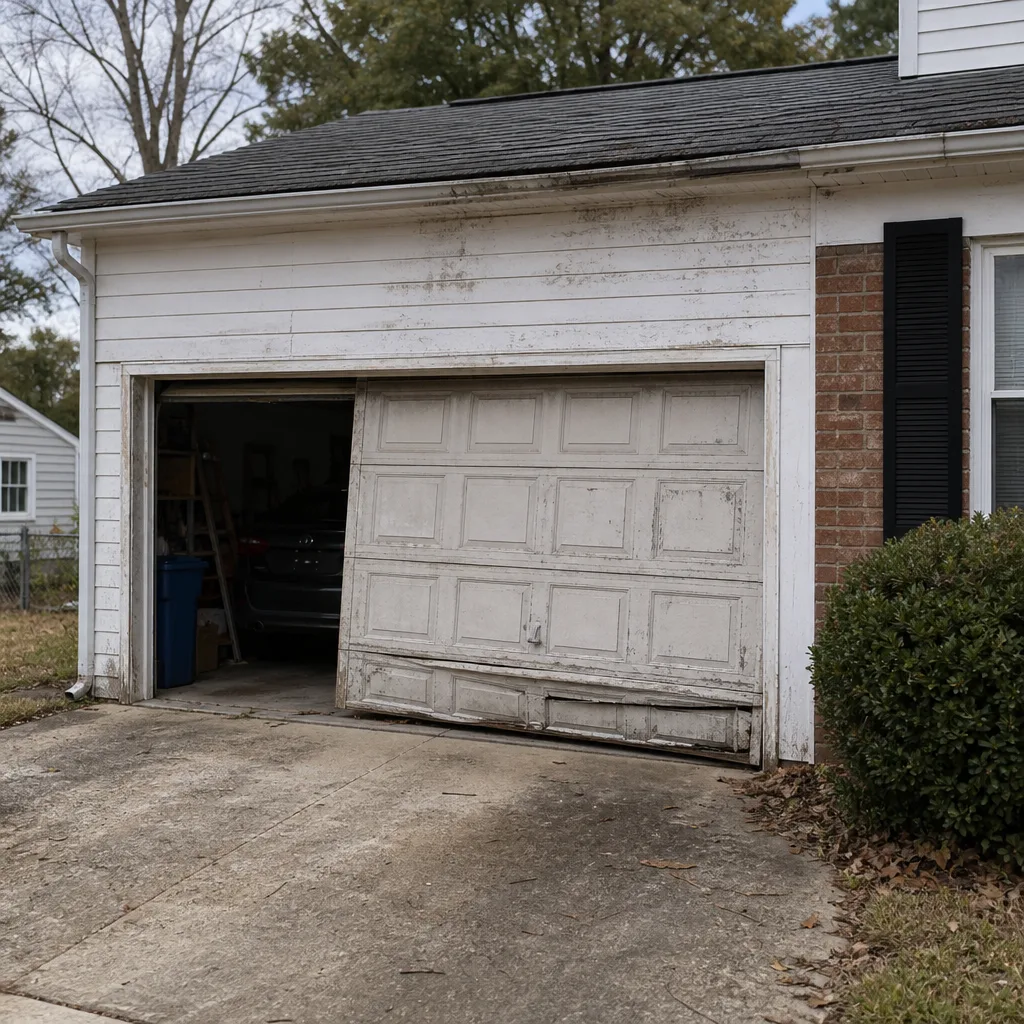 Before
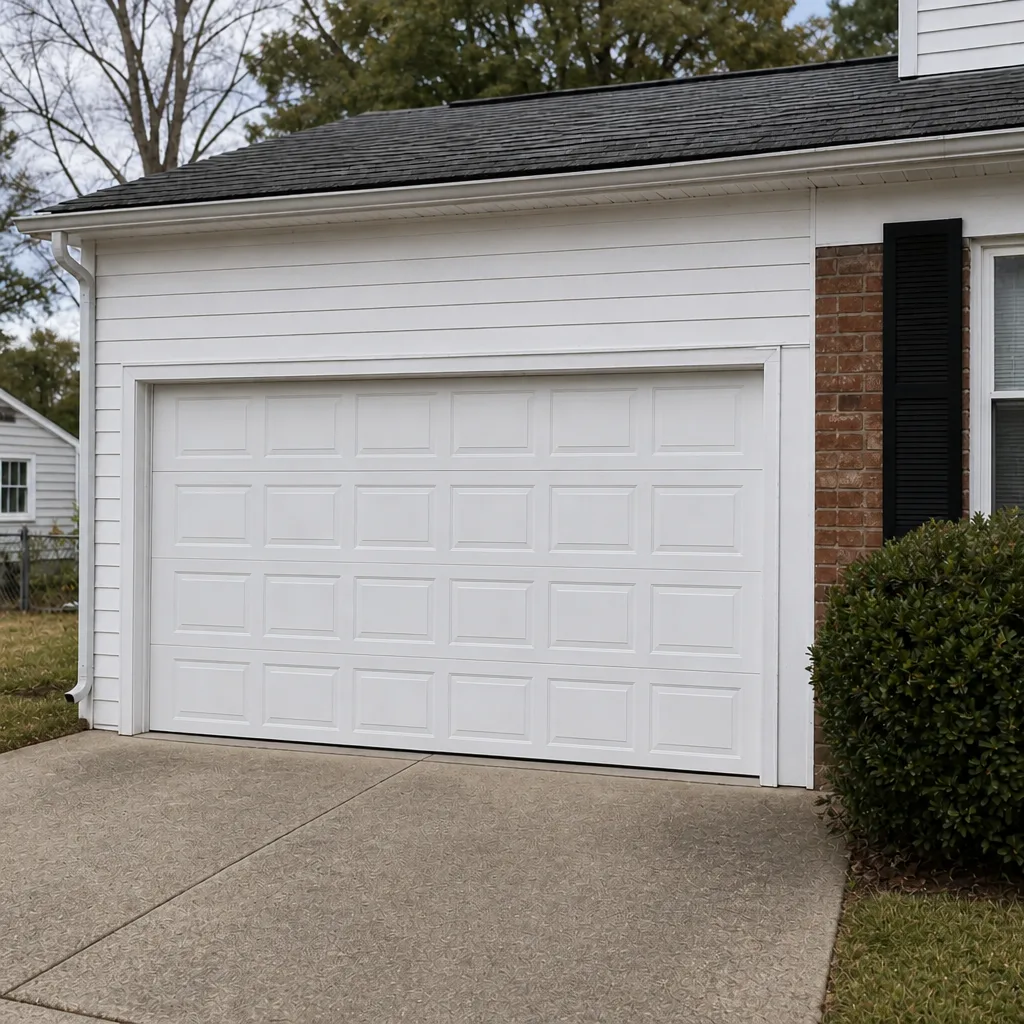 After
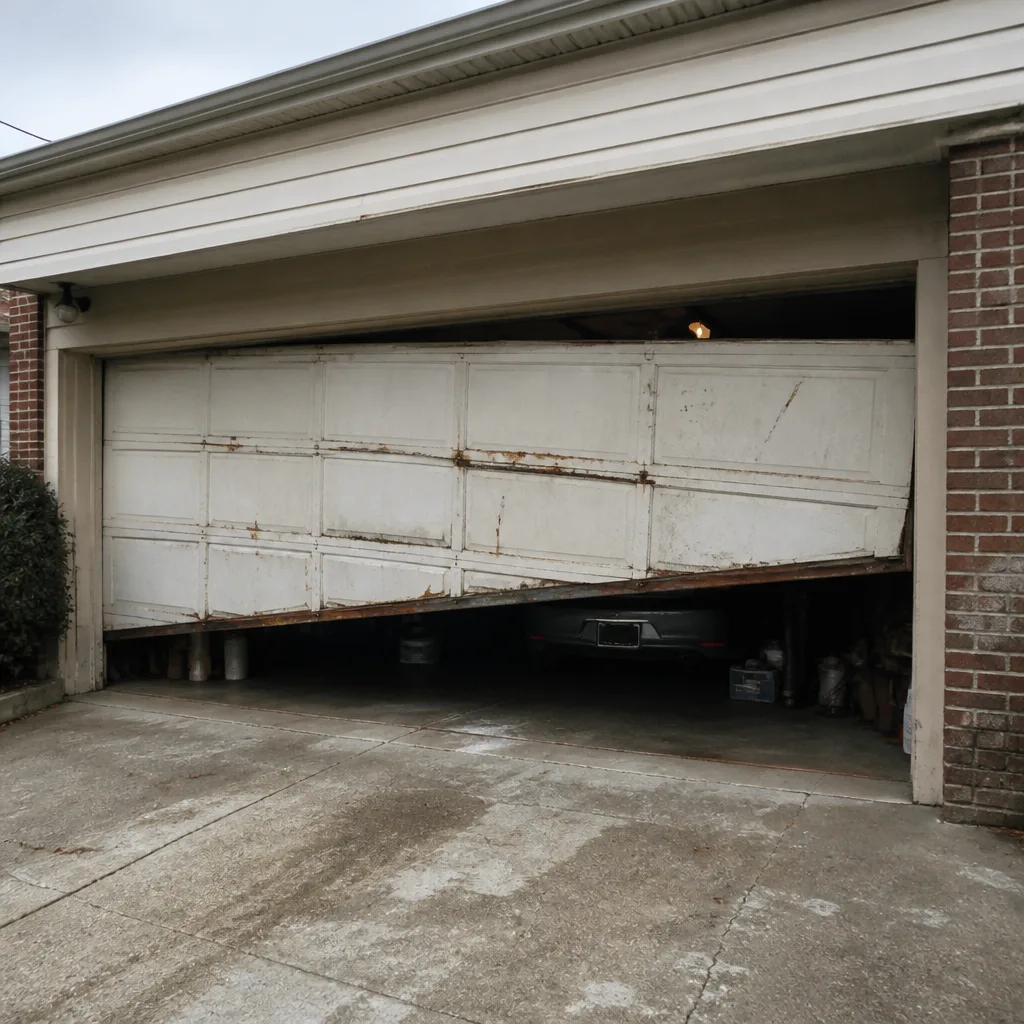 Before
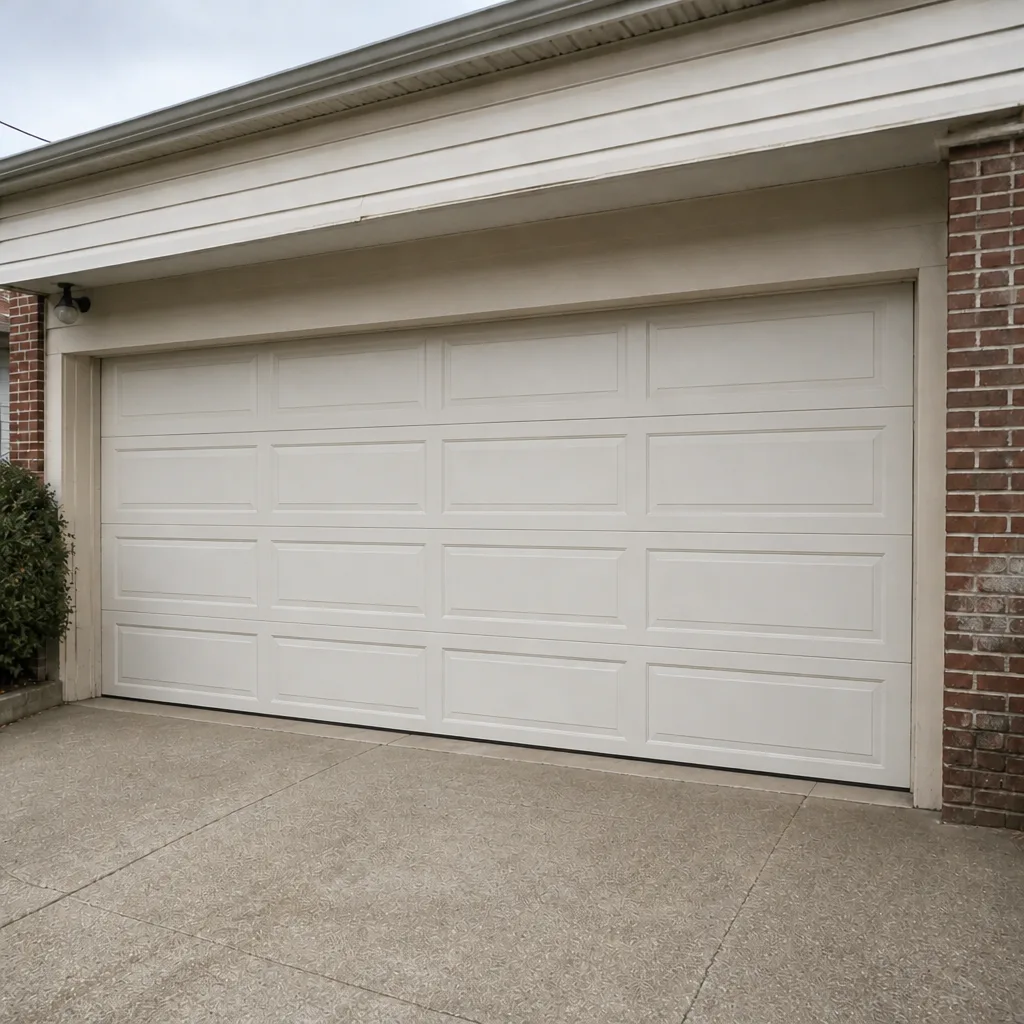 After
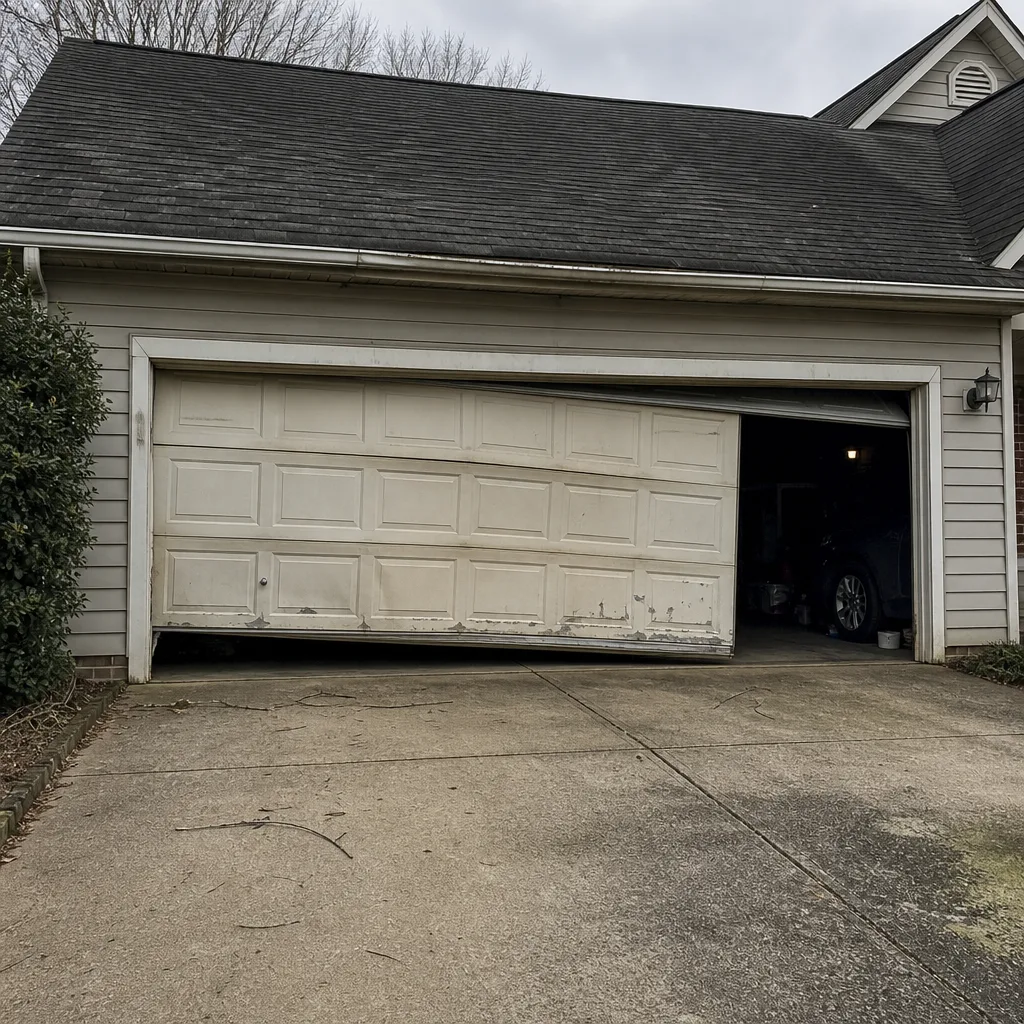 Before
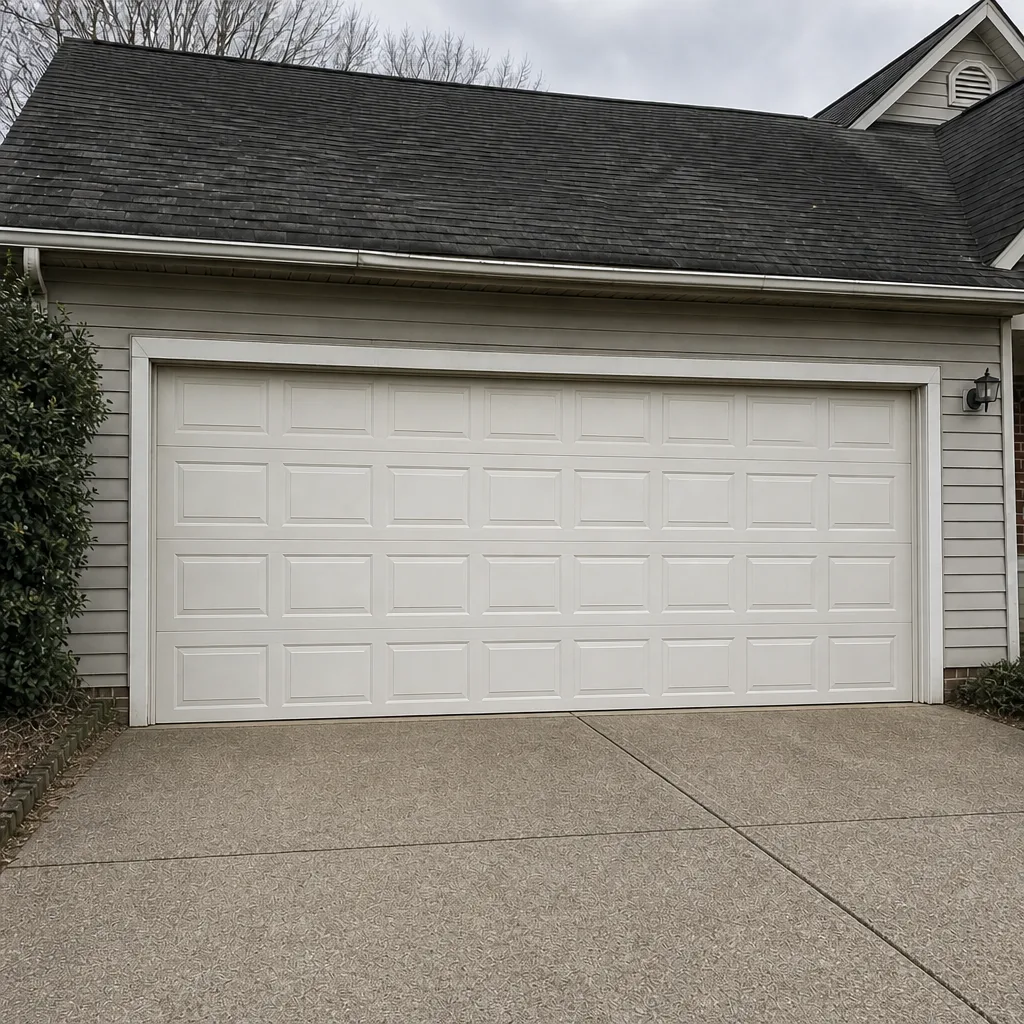 After
When to Call a Professional
Call a professional when the problem involves springs, cables, or the door’s tension system, when the door won’t open or close at all, or when a door that you’ve cleaned, lubricated, and recalibrated still behaves inconsistently. Call us the same day if the door won’t close securely, since an open garage is a security problem as much as a mechanical one. Call us if a spring has made a loud bang, if the door hangs crooked, or if the opener strains against a door that’s clearly harder to lift than it used to be. These are all signs that the fix is beyond routine maintenance. We’re a garage door specialist, not a general handyman service, and our technicians have up to 11 years of experience with every major brand. Richmond Garage Door Repair Experts offers free estimates in Richmond. Call (866) 490-7906.
Frequently Asked Questions
Every three to four months, not once a year. Richmond’s humid summers pull moisture onto bare metal and thin out lubricant, so joints that are fine in a dry climate will start to bind without a spring and mid-summer top-up. Lubricate hinges, rollers, and the opener rail, and leave the track channels clean and dry.
What is the red clay dust I keep finding in my garage?It’s fine, abrasive silt from Richmond’s red clay soil, drifting in through gaps and vents. It settles into the track channels and mixes with lubricant already there, and the resulting grit wears rollers and makes the opener work harder. Wipe the tracks once a month, clear the corners and curves, and don’t grease the track to “fix” it.
Look for visible gaps in the coil, deep rust or pitting, a lopsided door when closed, or a loud bang from the garage. In Richmond, temperature cycling can fatigue a spring even if it’s not old, so look for these signs regardless of age. Don’t touch or adjust the springs yourself; have a trained technician inspect and replace them.
Yes, if it’s stiff, cracked, or flattened. A bottom seal wears faster in this climate than most national guides assume, and a worn seal that no longer seals against the floor lets in drafts and moisture. Inspecting it in fall and replacing it every two to three years keeps the door sealing properly. Call (866) 490-7906 for a free estimate if you’re unsure whether it’s the seal alone or an alignment issue.
Usually not. A door that reverses partway is most often a calibration drift after a summer of heat stress, or a sensor that’s dusty or misaligned. Check the sensor lights, wipe the lenses, and reset the travel limits. If the door still misbehaves after a reset, the door may be out of balance, which is a technician diagnosis rather than a new opener.
No. Torsion springs are under extreme tension, and adjusting or replacing one is one of the most dangerous DIY jobs in home maintenance. We handle spring repair as a dedicated service for a reason. If a spring has failed, leave the door closed and call a professional.
The Bottom Line
A garage door in Richmond asks for slightly more maintenance than the national manuals suggest, and the schedule is straightforward: lubricate often, clear the red clay dust, replace the bottom seal before it fails, inspect the springs for temperature-cycle wear, and recalibrate the opener after every hot summer. None of it is complicated, and most of it you can do yourself. The exceptions are the springs, cables, and anything involving the tension system, which is where a trained technician belongs. Follow the calendar, watch the warning signs, and the door will keep working through the seasonal swings. When something looks wrong beyond routine care, call (866) 490-7906 for a free estimate. We answer 24/7. Fast dispatch from 7am to 7pm.
Written by the team at Richmond Garage Door Repair Experts.